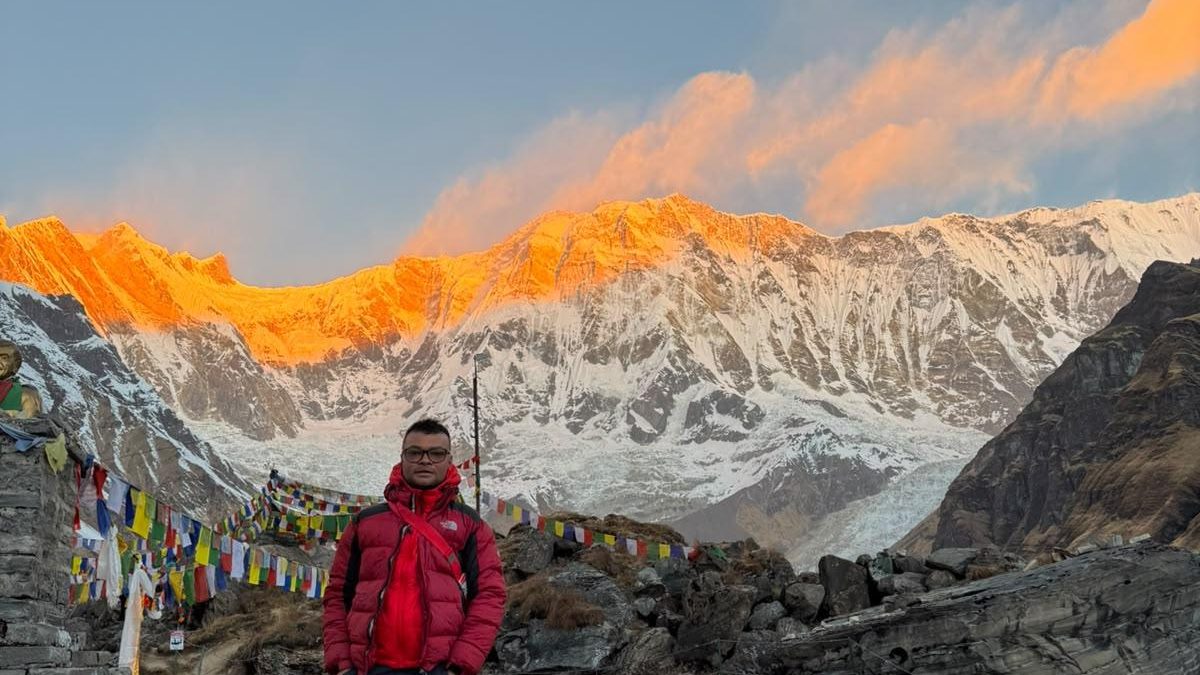
Planning your first trekking adventure in Nepal can be exciting, but choosing the right route is an important decision. The 7-Day Annapurna Base Camp Trek and the Annapurna Circuit Trek are two popular options in the Annapurna region. Both offer beautiful mountain scenery, traditional villages, and memorable experiences, but they differ in duration, altitude, trail conditions, and physical demands.
The Annapurna Base Camp (ABC) trek takes you into a mountain sanctuary at 4,130 metres, surrounded by impressive Himalayan peaks. The Annapurna Circuit follows a longer route through the Manang and Mustang regions, reaching Thorong La Pass at 5,416 metres. For beginners, the right choice depends on fitness, available time, and comfort with high-altitude walking.
Annapurna Base Camp vs. Annapurna Circuit: Key Differences at a Glance
Although both routes explore the same mountain region, they provide different trekking experiences. ABC follows a valley trail towards a mountain sanctuary, while the Circuit covers a wider area and includes a challenging high mountain pass.
| Feature | 7 Days Annapurna Base Camp | Annapurna Circuit |
| Listed package duration | 7 days | 15 days |
| Starting point | Pokhara | Kathmandu |
| Highest point | 4,130 m | 5,416 m |
| Main highlight | Annapurna Sanctuary | Thorong La Pass |
| Difficulty | Moderate, with strenuous walking sections | Adventure/Expedition |
| Main destinations | Ghandruk, Chhomrong, Deurali, ABC | Chame, Upper Pisang, Manang, Muktinath |
| Solo price | $525 | $925 |
| Group price | $485 (2–7 people) | $875 (2–5 people) |
| Larger group price | $450 (8–15 people) | $825 (6–10 people) |
These prices are listed by Nepal High Trek and may change. The two packages also have different inclusions and transportation arrangements.
Trek Duration and Itinerary: A Short ABC Route vs. the Longer Circuit
Time is one of the biggest differences between these journeys. The seven-day ABC itinerary is designed for travellers who want to reach the Annapurna Sanctuary within a week. The journey begins in Pokhara with a drive towards the Ghandruk area, where the walking section starts.
The trail continues through Ghandruk, Chhomrong, and Upper Sinuwa before entering the Modi River valley. Trekkers pass through Bamboo and Dovan before reaching Deurali. From there, the route climbs towards Machhapuchhre Base Camp and Annapurna Base Camp. After enjoying the mountain surroundings, the return journey goes through Bamboo and Jhinu Danda before a drive back to Pokhara.
The Annapurna Circuit Trek requires a longer holiday. Nepal High Trek advertises a 15-day package, while its detailed day-by-day itinerary contains 14 days. The journey starts in Kathmandu and continues by road towards Besisahar and Chame. The trekking route then passes through Upper Pisang and Manang before continuing towards Ledar and Thorong Phedi. After crossing Thorong La Pass, trekkers descend to Muktinath and continue through Tatopani and Ghorepani before returning to Pokhara and Kathmandu.
The company also lists separate 10-day and 12-day Circuit options for travellers interested in shorter schedules.
Altitude and Acclimatization: Which Trek Is More Suitable for Beginners?
Altitude is an important factor when comparing these routes. Annapurna Base Camp Trek reaches 4,130 metres, whereas Thorong La Pass stands at 5,416 metres. The higher elevation makes the Circuit a more demanding high-altitude experience.
The ABC route gradually climbs through forests, villages, and mountain valleys. However, reaching the base camp within seven days still requires preparation. The itinerary includes consecutive walking days, so trekkers should maintain a comfortable pace and pay attention to how their bodies respond.
The Annapurna Circuit includes an acclimatization day in Manang. Nepal High Trek describes excursions towards Gangapurna Lake and Ice Lake during this stop. This gives trekkers time to explore the area while preparing for the higher sections ahead.
For beginners, ABC has a lower maximum elevation, but its compact schedule requires good stamina. The Circuit provides more time for acclimatization, although crossing Thorong La remains a significant challenge. Neither route is free from altitude-related risks.
Trek Difficulty and Trail Conditions: Stone Steps vs. High Mountain Passes
A shorter itinerary does not automatically mean an easier trek. Nepal High Trek labels the seven-day ABC route as moderate, but its detailed guidance also describes the schedule as strenuous because of the long walking days and repeated uphill and downhill sections. Some days involve seven to eight hours of walking.
The route includes steep stone staircases, forest paths, river crossings, and climbs around Chhomrong. The trail becomes more demanding as it approaches Deurali and the Annapurna Sanctuary. Good stamina is essential for completing the journey comfortably.
The Annapurna Circuit is considered a demanding trek, with challenging sections that require good physical fitness and preparation. Many sections are manageable for people with good fitness, but crossing Thorong La Pass is a major challenge. Nepal High Trek estimates that this crossing takes approximately seven to nine hours.
Beginners should consider their fitness and ability to manage consecutive walking days before choosing either route. Regular walking, stair climbing, and cardiovascular exercise can help build the necessary endurance.
Scenery and Landscapes: The Annapurna Sanctuary vs. Changing Himalayan Terrain
The two treks offer different types of scenery. On the ABC route, the main attraction is the Annapurna Sanctuary, where towering mountains surround the base camp. From 4,130 metres, trekkers can enjoy views of Annapurna I, Annapurna South, Hiunchuli, and Machhapuchhre.
The Circuit provides a wider variety of landscapes. The trail moves through green hills, forests, mountain villages, and the drier surroundings of Manang and Mustang. The views around Thorong La Pass and the route towards Muktinath add another dimension to the journey.
If you prefer close-up mountain views from one destination, ABC is an excellent option. The Circuit is more suitable if you want to experience changing landscapes throughout a longer adventure.
Local Culture and Village Experiences Along Both Routes
Village life is another important part of trekking in the Annapurna region. On the ABC route, Ghandruk and Chhomrong are notable stops. Ghandruk is a traditional Gurung settlement where visitors can learn about local customs, village life, and hospitality.
The Annapurna Circuit passes through settlements such as Chame, Upper Pisang, and Manang. These villages provide opportunities to experience local traditions and Buddhist heritage. Braga Monastery and the communities around Manang are among the cultural highlights of the route.
Both journeys offer opportunities to connect with local communities, but the Circuit covers a wider geographical area and introduces trekkers to a greater variety of cultural settings.
Teahouse Accommodation, Food, and Comfort on the Trail
Accommodation on both routes mainly consists of local teahouses and guesthouses. The ABC package includes six nights of local teahouse accommodation, along with breakfast, lunch, and dinner during the trek.
The Annapurna Circuit package includes local teahouse accommodation, two nights in a Kathmandu hotel, and one night in a Pokhara hotel. Full-board meals are also included during the scheduled trip.
Facilities can vary between villages and higher-altitude stops, so travellers should expect simpler arrangements in remote areas. Personal expenses such as laundry, hot showers, drinks, and battery charging may cost extra. Checking the package inclusions before departure helps travellers plan their budget.
Essential Packing and Preparation for First-Time Trekkers
Good preparation makes a considerable difference to the trekking experience. Comfortable hiking boots, warm clothing, waterproof layers, a daypack, and a reusable water bottle are useful essentials for both routes.
For ABC, focus on building stamina for long walking days and repeated uphill and downhill sections. Regular walking, stair climbing, and cardiovascular exercise can help prepare your body.
Circuit trekkers should also prepare for colder conditions and the higher elevation of Thorong La Pass. Nepal High Trek lists a down jacket, sleeping bag, and duffle bag among the equipment provided in its Circuit package. Confirm the equipment arrangements before travelling.
Permits, Transportation, and the Best Seasons for Each Trek
The ABC package begins and ends in Pokhara. Nepal High Trek includes shared jeep transportation from Pokhara towards Syauli Bazar and a return journey from Samrung to Pokhara. The package also includes an Annapurna Conservation Area Project (ACAP) permit.
The Circuit package starts in Kathmandu, with local bus transportation towards Besisahar and a shared jeep journey to Chame. Its listed inclusions cover ACAP and Trekkers’ Information Management System (TIMS) permits. Transportation from Pokhara back to Kathmandu is also included.
For both routes, Nepal High Trek recommends spring and autumn. Its ABC information identifies March to May and September to December as suitable months. The Circuit package lists March to May and September to November. Weather can change in the mountains, so checking the latest conditions before departure is important.
Final Verdict: Which Annapurna Trek Should Beginners Choose?
Both routes offer rewarding experiences, but the right choice depends on your fitness, available time, and trekking expectations.
Choose the 7 Days Annapurna Base Camp Trek If…
- You have approximately one week available.
- You want to reach Annapurna Base Camp at 4,130 metres.
- You prefer a shorter route with a clear mountain destination.
- You have enough stamina for several consecutive days of demanding walking.
Choose the Annapurna Circuit Trek If…
- You have more time for a longer Himalayan journey.
- You want to explore the Manang and Mustang regions.
- You are interested in crossing Thorong La Pass at 5,416 metres.
- You are prepared for a demanding high-altitude adventure.
For beginners with limited time and good physical fitness, the seven-day ABC trek may be the more practical option. However, its compact schedule should not be underestimated. The Annapurna Circuit is a better choice for travellers who want a longer journey and are prepared for the challenges of a high mountain pass.
Frequently Asked Questions
Can a Complete Beginner Do the 7 Days Annapurna Base Camp Trek?
Yes, but good physical fitness is important. The seven-day itinerary includes several long walking days and demanding uphill and downhill sections. Beginners should build their stamina through regular exercise before departure.
Is the Annapurna Circuit Trek Too Difficult for First-Time Trekkers?
Not necessarily. First-time trekkers with good fitness and proper preparation may complete it. However, crossing Thorong La Pass at 5,416 metres requires careful acclimatization and preparation.
Which Trek Offers Better Mountain Views: Annapurna Base Camp or Annapurna Circuit?
ABC provides close-up views of the Annapurna peaks from the mountain sanctuary. The Circuit offers a wider variety of landscapes and mountain scenery across Manang and Mustang. The better option depends on the experience you prefer.
Do You Need a Guide for the Annapurna Base Camp or Annapurna Circuit Trek?
Nepal High Trek includes a government-licensed mountain guide in both listed packages. Contact the company to confirm current guiding arrangements and applicable trekking requirements.