
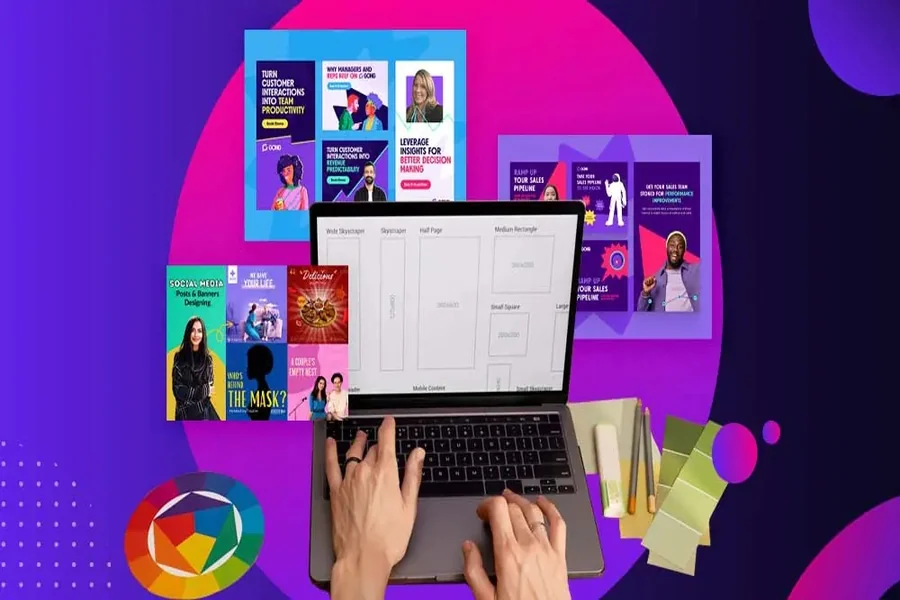

In the modern digital landscape, attention is one of the most valuable currencies. People scroll fast, switch tabs instantly, and ignore anything that doesn’t speak to them immediately. For businesses, creators, and professionals, this means that creating ads that genuinely capture attention is not optional—it’s essential. Great advertising is not just about promoting something; it’s about communicating value, emotion, and trust within seconds.
Fortunately, designing impactful ads doesn’t require expensive software, advanced skills, or a professional design team. With an intuitive online ad maker, anyone can create polished, visually appealing advertisements that deliver results. These tools simplify the entire design process, from layout to branding, while giving you full creative freedom to express your message clearly and memorably.
Why Good Ad Design Matters More Than Ever
The digital world is crowded. Every brand—big or small—is competing for the same space, the same audience, and the same attention span. A beautiful, well-constructed ad doesn’t just look professional; it signals that the brand behind it is reliable, thoughtful, and trustworthy.
Strong ad design affects:
- First impressions – People form opinions about a brand in milliseconds.
- Engagement rates – Clear visuals + concise messaging = higher clicks.
- Brand recognition – Consistent colors, fonts, and style improve recall.
- Conversion – A well-designed ad guides people smoothly toward action.
Ad design is no longer just decoration—it’s strategy.
Essential Elements of an Effective Ad
Every great ad—regardless of style or platform—contains a few core components that work together to attract attention and spark action.
1. Strong Visuals
A striking image or clean graphic layout captures attention before the text is even read.
2. Clear, Concise Message
The best ads communicate one idea. One benefit. One action.
3. A Powerful Call-to-Action (CTA)
“Shop Now,” “Get Started,” “Visit Us,” “Learn More”—the CTA should be prominent and direct.
4. Brand Consistency
Your colors, fonts, and tone should match your overall brand identity for instant recognition.
When these four elements align, even simple ads can perform exceptionally well.
Types of Ads You Can Easily Create
Using modern design tools, you can produce a wide range of ads depending on your goals and platform.
Social Media Ads
These are short, scroll-stopping visuals made for Instagram, TikTok, Facebook, or LinkedIn.
Display & Banner Ads
Designed for websites and apps—clean layout and strong visuals are key.
Video Ads
Short, engaging videos that tell a story or highlight benefits.
Event or Sale Graphics
Perfect for announcing promotions, flash sales, new products, or seasonal offers.
Each type of ad plays a different role in your marketing, but all rely on strong design fundamentals.
Design Tips for High-Performing Ads
You don’t need to be a professional designer to craft beautiful ads. These tips will help your visuals look clean, professional, and persuasive.
1. Keep It Simple
Too many elements create noise. Focus on clarity, not complexity.
2. Use Contrast
Contrast in color or size helps important parts—like your message or CTA—stand out.
3. Prioritize Readability
Short text, legible fonts, and balanced spacing improve comprehension.
4. Use Authentic Images
Original or high-quality visuals resonate better than generic stock images.
5. Create Multiple Versions
A/B testing helps you discover what your audience responds to most.
6. Think Mobile-First
Most ads are viewed on phones—design with small screens in mind.
These tips can dramatically improve ad performance, even with minimal design experience.
Real Examples of Great Small-Scale Advertising
Real-life success stories show how impactful good ad design can be:
A Local Coffee Shop
They created a set of minimalistic ads highlighting their seasonal drinks. With warm colors and a simple CTA, engagement doubled within a week.
A Freelancer Building a Portfolio
By designing clear and bold project showcases, they attracted new clients through paid and organic promotions.
A Nonprofit Campaign
Using visually simple but emotionally rich ads, they boosted awareness and donations beyond expectations.
These examples show that you don’t need a massive budget—just clarity and creativity.
Why Using an Online Ad Maker Gives You an Advantage
Here’s why these tools are now essential for businesses, creators, and marketers:
You save time
No more starting from scratch—templates give you a head start.
You save money
No expensive design software or outsourcing required.
You stay consistent
Brand colors, fonts, and logos can be reused effortlessly.
You unlock creativity
With drag-and-drop interfaces and pre-designed elements, anyone can design beautiful ads.
You get professional results
Templates, smart alignment tools, and ready-made palettes ensure that even beginners create visually stunning ads.
The accessibility of modern design tools has completely transformed the way individuals and small brands promote themselves online.
How to Create an Effective Ad in 5 Simple Steps
- Define Your Goal
What do you want people to do? Click? Buy? Sign up?
- Choose the Right Format
Social, display, video, promotional—pick based on your platform.
- Select a Template
Start with a layout that matches your style or industry.
- Customize Your Design
Add your text, images, branding, and colors.
- Download & Publish
Share it across your channels and test its performance.
This streamlined process makes professional advertising accessible to everyone.
Conclusion
Great advertising is about clarity, emotion, and strategy—not complicated software or costly design teams. In a world where attention is scarce, well-designed ads make your message impossible to ignore. With creativity, consistency, and the help of an online ad maker, anyone can design visuals that look professional, feel authentic, and deliver real results.
High-quality ads don’t just promote—they connect, inspire, and drive meaningful action.