

Do you notice your hair looking dull or your scalp feeling itchy? Healthy hair needs good care and the right nutrients. This blog shares simple ways to support hair and scalp health naturally with food, care tips, and home remedies.
Keep reading to find out easy steps for stronger, happier hair!
Adopt a Balanced Diet
What you eat can affect your hair and scalp health. Healthy meals give your body the nutrients it needs to grow strong hair.
Include protein-rich foods like lentils and nuts
Lentils and nuts give your body the protein it needs for strong hair growth. Hair is made of a protein called keratin. Eating lentils, almonds, and walnuts can help repair weak strands.
These foods also supply iron and zinc that support scalp care.
Many experts recommend eating plant-based proteins to improve hair health naturally. The USDA says one cup of cooked lentils has about 18 grams of protein per serving. You can add a handful of nuts or seeds to your meals for extra nutrients too.
Protein helps build healthy cells in every part of your body, especially hair.
Incorporate iron, zinc, and Omega-3s through spinach, seeds, and walnuts
Iron, zinc, and Omega-3 fatty acids are important for hair health. Spinach is a great source of iron. It helps your body make red blood cells that carry oxygen to your scalp. Walnuts provide Omega-3s, which can also help with dry scalp issues.
Seeds like pumpkin and chia deliver both zinc and healthy fats.
Eating these foods regularly can boost circulation in the scalp. Good nutrition supports strong hair growth too. Include spinach salads or snacks with nuts and seeds in your diet to keep your hair looking its best.
Stay Hydrated
Staying hydrated is essential for healthy hair and scalp. Drinking enough water helps your body function well. It also keeps your hair moisturized from the inside out. A well-hydrated scalp can reduce dryness and itchiness.
Aim for at least eight glasses of water daily. You can get extra hydration from fruits and veggies like cucumbers, oranges, and spinach. Hydration supports circulation in your scalp too, promoting better hair health over time.
Manage Stress Levels
Managing stress is vital for healthy hair and scalp. Try yoga, meditation, or simply go for a walk to ease your mind.
Practice yoga, meditation, or regular exercise
Yoga, meditation, and regular exercise help reduce stress. Lowering stress can improve hair and scalp health.
- Yoga promotes relaxation. It stretches the body and calms the mind.
- Meditation focuses your thoughts. This can help you feel more at ease.
- Regular exercise boosts blood flow. Good circulation is essential for healthy hair growth.
- Physical activity releases endorphins. These hormones make you feel happy and reduce stress levels.
- Yoga and meditation improve flexibility. This helps with overall body health, including the scalp.
- Exercise can enhance sleep quality. Better sleep supports better hair health.
- Creating a routine helps consistency in practice. A regular schedule benefits both mental and physical well-being.
- These practices require no special equipment or location; you can do them anywhere for convenience.
- Joining a class or group makes it enjoyable and social; this adds pleasure to self-care routines.
- Setting aside time for these activities shows dedication to your health, aiding in healthy hair growth over time.
Reducing stress through these activities will support better scalp care and hair health naturally.
Practice Gentle Hair Care
- Practice Gentle Hair Care: Use sulfate-free shampoos to avoid harsh chemicals. Be careful when you brush your hair; always do it gently and wait until it’s dry.
Use sulfate-free shampoos and avoid overwashing
Sulfate-free shampoos are gentle on your hair and scalp. They clean without stripping away natural oils. This helps keep your hair moisturized and healthy. Overwashing can cause dryness and irritation.
Aim to wash your hair two to three times a week. This gives your scalp time to balance its natural oils.
Choose products with natural ingredients for better results. Look for shampoos that support hydration and nourishment, such as those containing vitamins or essential oils. These will help maintain good hair health while keeping the scalp cared for; this leads us to the importance of massage in promoting circulation and relaxation.
Brush hair gently and avoid brushing when wet
After using sulfate-free shampoos, hair care becomes easier. Gentle brushing is key for healthy hair and scalp. Brush your hair softly to avoid damage. A soft touch helps reduce breakage and split ends.
Brushing wet hair can cause more harm than good. Wet strands are weak and can snap easily. It’s best to wait until your hair dries a bit before you brush it. Use a wide-tooth comb or fingers if you must untangle knots while it’s damp.
This gentle approach supports better scalp health and encourages stronger hair growth over time.
Massage Your Scalp Regularly
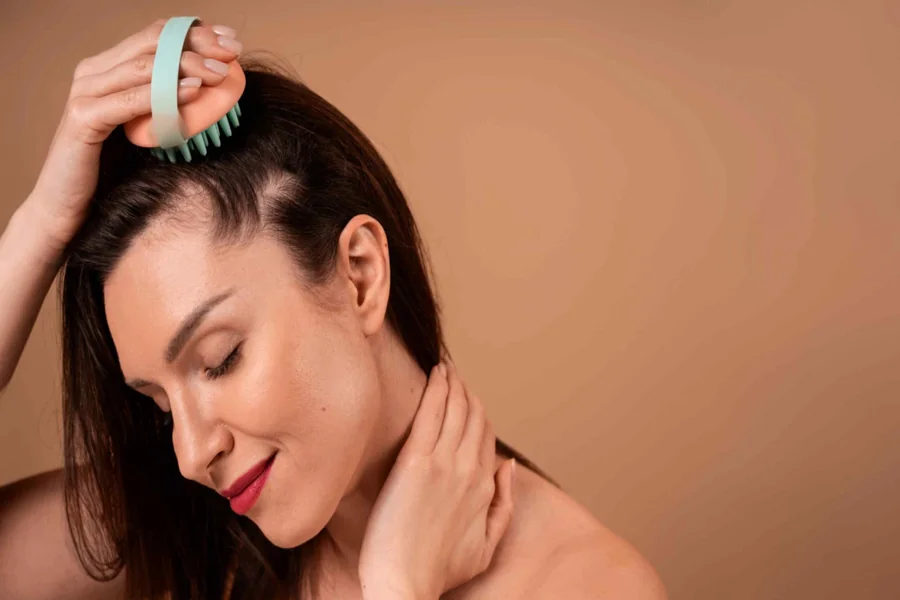
Massaging your scalp is a straightforward way to enhance hair health. It increases blood flow to the hair follicles, helping nutrients reach your hair more effectively. Use your fingertips and apply gentle pressure in circular motions.
Aim for at least a few minutes each day.
Scalp massages also alleviate tension and stress levels. Stress can harm hair growth, so relaxing is essential. Add natural oils like coconut or olive oil for extra benefits. These oils provide moisture and nourishment to both the scalp and hair strands.
Regular massage promotes healthy circulation, making it a valuable part of your routine for comprehensive scalp care.
Limit Heat and Chemical Treatments
Heat and chemical treatments can harm your hair and scalp health. Blow dryers, curling irons, and straighteners can cause damage. They make your hair dry and weak over time. Chemicals in dyes and relaxers may also lead to breakage.
Your scalp needs care too; harsh products can irritate it.
Choosing natural remedies is a better option for healthy hair growth. Use gentle methods like air drying or braiding your hair while wet to reduce heat damage. Opt for chemical-free products that nourish instead of harm.
This promotes better hygiene for your scalp and strengthens your strands without the risk of breaking them down further.
Regular cleansing helps keep buildup away from the scalp, ensuring fresh health for both hair and skin.
Protect Your Scalp from the Sun
Wear hats or use natural sunscreens to shield your scalp from harmful UV rays. Protecting your scalp is key for healthy hair. Want to learn more?
Wear hats or use natural sunscreens
Sun exposure can harm your scalp. Protecting it helps maintain hair health and prevents damage.
- Hats provide shade for your scalp. They block harmful UV rays from the sun. Choose a wide-brimmed hat for better coverage.
- Natural sunscreens help protect your skin from UV damage. Look for options with zinc oxide or titanium dioxide. These ingredients are safe and effective.
- Apply sunscreen 30 minutes before going outside. This gives your skin time to absorb the product.
- Reapply sunscreen every two hours, especially if you sweat or swim. This helps keep your scalp protected throughout the day.
- Light-colored hats can reflect sunlight and keep you cool. Dark colors absorb heat, which may not be comfortable in hot weather.
- Choose breathable materials like cotton or linen for hats. These fabrics allow air circulation and reduce sweat buildup on your scalp.
- Wearing hats is a simple way to guard against sun exposure. Make it a part of your daily routine when spending time outdoors.
Use Natural Oils and Remedies
Incorporating betacap scalp application into your routine can also enhance overall scalp vitality.
Natural oils can help your hair and scalp. Try using aloe vera to keep your scalp hydrated. You can also apply tea tree oil for a healthy balance on your scalp.
Apply aloe vera for hydration
Aloe vera is great for hydrating your scalp. It helps lock in moisture and soothe dry skin. Aloe has vitamins A, C, and E. These nutrients support healthy hair growth and scalp care.
You can use aloe vera gel directly from the plant or buy it in stores.
To apply, take a small amount of gel. Massage it into your scalp gently. Leave it on for about 30 minutes before rinsing with lukewarm water. Regular use can improve scalp health and boost hair hydration.
Enjoy the natural benefits of this wonderful plant!
Use diluted tea tree oil to balance the scalp
Apply aloe vera for hydration. Now, let’s talk about tea tree oil. This oil is great for your scalp. It helps balance the oils on your skin and can fight off dandruff.
To use it, mix a few drops of tea tree oil with a carrier oil like coconut or olive oil. Apply this mixture directly to your scalp. Leave it on for 20 minutes before washing it out with a gentle shampoo.
Tea tree oil also boosts circulation, which can promote hair health. Using this natural remedy regularly may help keep your scalp healthy and clean.
Rinse Hair with Lukewarm Water
Rinsing hair with lukewarm water is an excellent way to maintain its health. Hot water can strip your hair of its natural oils, which can leave it dry and brittle. Lukewarm water helps to cleanse the scalp without causing damage.
It also facilitates rinsing out products. Cold water can close hair cuticles, making it difficult for moisture to enter. Using lukewarm water allows for better hydration and enhances circulation on the scalp.
Proper rinsing supports hair health and keeps your scalp clean and refreshed.
Avoid Buildup with Regular Cleansing
Regular cleansing is key to healthy hair and scalp. It helps remove dirt, oil, and product buildup. Use a gentle shampoo that suits your hair type. Avoid washing too often. Overwashing can strip away natural oils.
Keep the scalp clean for better circulation and growth. Rinsing with lukewarm water works best after applying shampoo or conditioner. This practice leads to a refreshed feeling on your scalp while allowing nutrients to work effectively in promoting hair health.
Now let’s consider how to rinse your hair properly for extra benefits.
Conclusion
Caring for your hair and scalp is simple. A balanced diet and hydration make a big difference. Gentle hair care helps keep your strands strong. Try natural oils for extra moisture.
Take time to relax and enjoy scalp massages too. These small changes can improve your hair health naturally.