
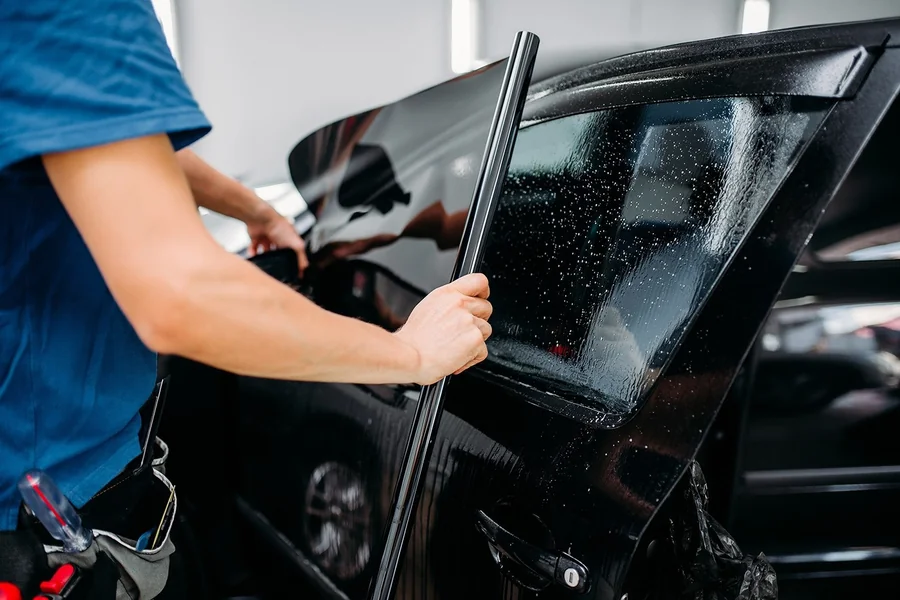

When people think about auto window tinting, privacy and aesthetics are often the first things that come to mind. Darker windows can give a vehicle a sleek look and shield passengers from outside view. While these are valid benefits, they barely scratch the surface of what modern auto window tinting actually offers.
Today’s window films are engineered to improve comfort, protect interiors, and enhance the overall driving experience. From temperature control to UV protection and reduced driver fatigue, the advantages go far beyond appearance.
How Sunlight Affects Vehicles
Vehicles are especially vulnerable to sun exposure. Large glass surfaces allow sunlight to enter at multiple angles throughout the day, creating a greenhouse effect that rapidly increases interior temperatures.
Sunlight introduces:
- Ultraviolet (UV) radiation that damages interiors and skin
- Infrared (IR) heat that raises cabin temperature
- Glare that reduces visibility and increases eye strain
Without protection, these elements combine to make vehicles uncomfortable, accelerate wear, and reduce long-term value.
Heat Reduction and Cabin Comfort
One of the most noticeable benefits of auto window tinting is heat reduction. High-quality window films block a significant percentage of infrared radiation, preventing heat from entering the vehicle.
This results in:
- Cooler interior temperatures
- Reduced reliance on air conditioning
- Faster cooldown times after parking in the sun
In real-world testing, vehicles with window tint often remain 10 to 25 degrees cooler than untinted vehicles under similar conditions. This difference improves comfort immediately upon entry and throughout the drive.
UV Protection for Passengers
Ultraviolet radiation is not just harmful to interiors. It also poses health risks to drivers and passengers. Prolonged UV exposure can contribute to premature skin aging and increase the risk of skin-related conditions.
Modern window tint blocks up to 99 percent of UV rays, offering protection comparable to high-SPF sunscreen. This is especially valuable for individuals who spend long hours commuting or driving for work.
Windshields typically block some UV rays, but side and rear windows often allow significant exposure without tint.
Interior Preservation and Resale Value
Vehicle interiors are expensive to repair or replace. Sun exposure causes dashboards to crack, leather seats to dry out, and plastics to fade.
Auto window tinting slows this deterioration by:
- Blocking UV radiation
- Reducing heat buildup
- Limiting uneven fading across surfaces
Preserving interior condition directly impacts resale value. Vehicles with well-maintained interiors command higher prices and are easier to sell. Over time, the cost of tinting is often offset by reduced interior wear.
Reduced Glare and Improved Visibility
Glare from sunlight, headlights, and reflective surfaces can impair visibility and increase driver fatigue. Window tint reduces glare by filtering excess visible light.
Benefits include:
- Improved visibility during bright conditions
- Reduced eye strain
- Safer driving in early morning and late afternoon sun
Glare reduction is particularly helpful for drivers with light sensitivity or those who frequently drive long distances.
Enhanced Driving Focus and Safety
Comfort and visibility play a significant role in driving safety. Excessive heat and glare can distract drivers, slow reaction times, and increase fatigue.
By stabilizing interior temperatures and minimizing glare, window tint creates a more controlled driving environment. Drivers can stay focused on the road rather than adjusting climate controls or squinting against the sun.
While tint is not a safety feature in the traditional sense, it supports safer driving conditions indirectly.
Energy Efficiency and Vehicle Performance
Reducing heat inside the vehicle lessens the load on the air conditioning system. This can lead to improved fuel efficiency, particularly during city driving and hot weather.
In electric vehicles, reduced AC usage can help extend driving range. As more drivers adopt EVs, thermal management becomes an increasingly important consideration.
Window tint contributes to overall energy efficiency by minimizing unnecessary energy consumption.
Modern Films and Signal Compatibility
Older metallic films sometimes interfered with GPS, radio, and cellular signals. This created frustration for drivers who relied on navigation and hands-free communication.
Modern ceramic and non-metallic films eliminate this issue. They provide high heat rejection without affecting signal performance, making them compatible with today’s connected vehicles.
This advancement has made auto window tinting a practical upgrade even for vehicles equipped with advanced driver assistance systems and onboard technology.
Legal and Practical Considerations
Automotive window tinting laws vary by region and typically regulate how much visible light can pass through specific windows. Windshields, front side windows, and rear windows often have different requirements.
Choosing compliant film ensures that tinting delivers benefits without creating legal concerns. Professional installers are familiar with applicable guidelines and can recommend appropriate options.
It is also important to consider nighttime visibility. High-quality films maintain clarity while reducing glare, ensuring safe driving after dark.
Appearance as a Secondary Benefit
While appearance is not the primary focus of modern window tinting, it remains a valued benefit. Tinted windows create a uniform, finished look that complements a vehicle’s design.
Unlike cosmetic modifications, tint enhances both form and function. The visual improvement comes alongside comfort, protection, and efficiency gains.
Long-Term Value of Auto Window Tinting
When evaluated as a long-term investment, window tint delivers consistent returns:
- Improved comfort in all seasons
- Reduced interior damage
- Lower cooling demands
- Enhanced driving experience
High-quality films are designed to last for years without fading or bubbling. This durability ensures that benefits persist long after installation.
Final Thoughts
Auto window tinting offers far more than privacy and style. By blocking heat, filtering UV rays, reducing glare, and preserving interiors, it improves nearly every aspect of the driving experience.
Modern window films transform vehicles into more comfortable, efficient, and protected environments. When chosen thoughtfully and installed correctly, window tint becomes one of the most practical upgrades a driver can make — delivering benefits that are felt every time the vehicle is on the road.