
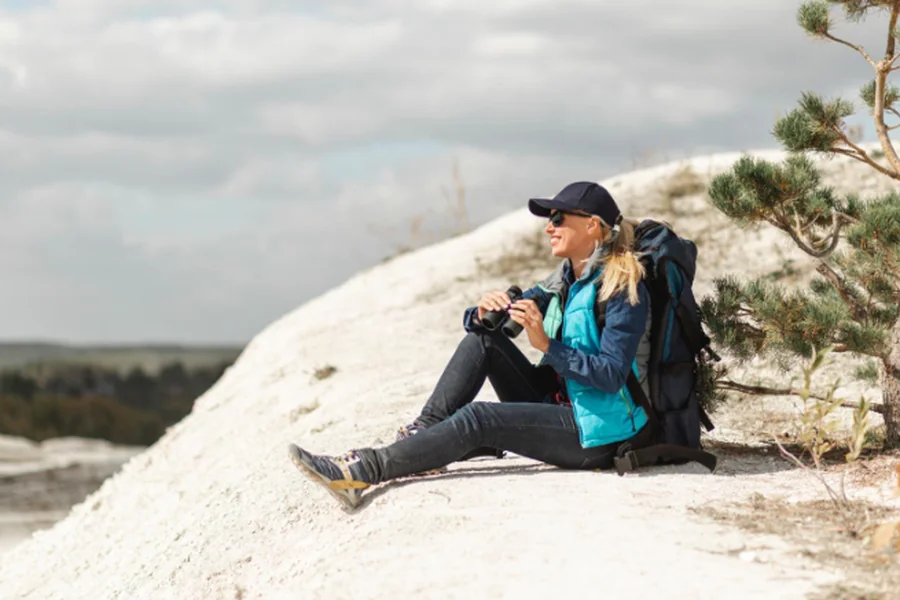

Spending time outdoors has always carried an element of unpredictability. Weather shifts, changing terrain, and limited connectivity mean that preparation often determines whether an experience feels empowering or stressful. In recent years, this reality has led many outdoor enthusiasts to rethink how they approach readiness, not as an extreme mindset, but as a practical extension of everyday habits. This perspective is especially common among people who divide their time between land and water, where dependable tools like vhf marine antennas quietly support communication and situational awareness without drawing attention to themselves.
Rather than focusing on worst-case scenarios, modern preparedness emphasizes confidence and continuity. It’s about reducing uncertainty so that time outdoors feels more accessible, whether someone is heading out for a weekend trip, a casual excursion, or a longer journey that crosses different environments.
How Versatility Shapes Outdoor Readiness
One defining feature of contemporary outdoor culture is versatility. People are no longer engaging with a single environment in isolation. A day might involve driving long distances, navigating off-road conditions, and transitioning to open water or remote areas where infrastructure is limited. This fluid movement has reshaped how individuals think about equipment and setup.
Vehicles, for example, have become mobile bases rather than simple modes of transport. They carry gear, serve as shelter, and provide a sense of security far from urban centers. Practical considerations around durability and protection naturally come into play here, which is why elements such as a front bumper for jeep wrangler often enter conversations about readiness and resilience. These components are less about aesthetics and more about adapting a vehicle to handle varied terrain and unexpected obstacles.
Outdoor safety researchers often point out that adaptability reduces risk. The National Outdoor Leadership School emphasizes that preparedness is most effective when it supports flexibility rather than rigidity. Being equipped to handle change allows individuals to remain calm and responsive, even when plans shift.
Preparedness as a Mental Framework
Preparedness isn’t just physical. It’s a mindset that shapes how people approach unfamiliar situations. When individuals feel equipped, they tend to make clearer decisions and respond more effectively to challenges. This applies whether navigating a trail, managing weather changes, or coordinating with others in remote settings.
Psychological studies on risk management suggest that perceived preparedness reduces anxiety and cognitive overload. When the brain isn’t preoccupied with potential gaps, attention can remain on the experience itself. This helps explain why people invest time and thought into setup long before they ever encounter difficulty.
In outdoor contexts, this preparation often becomes second nature. Checks, routines, and familiar systems create mental anchors that support confidence across environments.
The Role of Familiar Systems in Unfamiliar Places
One of the reasons preparedness matters so much outdoors is the lack of external support. Unlike urban settings, help is rarely immediate. Familiar systems, routines, and tools take on heightened importance when distance and isolation increase.
Consistency becomes grounding. Knowing how equipment behaves, how communication works, and how transitions between environments are managed allows individuals to focus outward rather than inward. Over time, this familiarity builds trust, not just in tools, but in personal capability.
The American Red Cross highlights that preparedness improves response time and decision quality during unexpected situations. Even basic familiarity with one’s environment and setup can significantly influence outcomes.
Why Modern Outdoor Culture Favors Practical Design
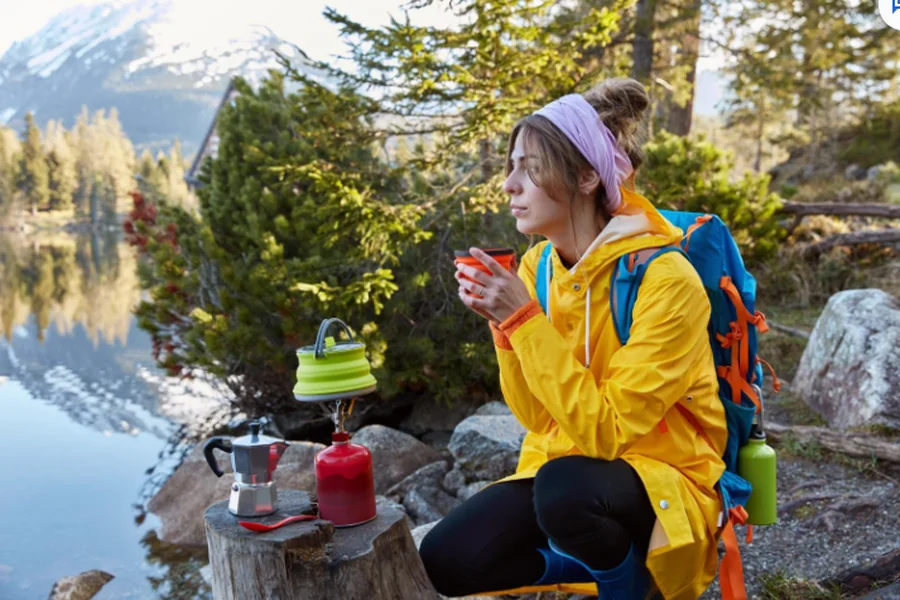
Design trends in outdoor equipment increasingly reflect a shift toward practicality over display. Clean lines, durable materials, and multi-use functionality dominate across categories, from apparel to vehicles. This mirrors broader consumer trends that value longevity and adaptability.
People are less interested in constant upgrades and more focused on systems that integrate smoothly into their routines. Equipment that works across multiple contexts reduces complexity and simplifies planning.
Sustainability also plays a role. The Outdoor Industry Association notes that consumers are paying closer attention to durability and repairability, recognizing that longer-lasting equipment reduces waste and improves reliability.
Bridging Land and Water Experiences
For those who move between land-based and water-based activities, preparation takes on an added layer. Communication, navigation, and safety considerations shift depending on the environment, but the underlying goal remains the same: maintain awareness and control.
This crossover has influenced how people think about gear as part of a broader system rather than isolated tools. What matters most is how well different elements work together, supporting continuity as environments change.
This systems-based thinking aligns with modern outdoor education, which increasingly emphasizes holistic planning over checklist-style preparation.
Preparedness Without Excess
A common misconception is that preparedness requires overloading with gear. In reality, effective readiness is selective. It prioritizes relevance over volume, focusing on what supports the intended activity without adding unnecessary complexity.
Minimal but intentional setups often outperform more elaborate ones. Each element has a purpose, and redundancy is balanced carefully. This approach reduces fatigue, both physical and mental, making outdoor experiences more enjoyable and sustainable.
Research from the National Park Service suggests that streamlined preparation improves safety by reducing user error and increasing familiarity with essential tools.
How Routine Builds Long-Term Confidence
Routine is one of the most powerful tools in preparedness. Repeated actions, checks, and setups become automatic over time. This reduces decision fatigue and creates a sense of continuity, even in changing conditions.
For outdoor enthusiasts, routines often develop organically through experience. Lessons learned become habits, and habits form the backbone of readiness. This process doesn’t require dramatic interventions, just consistent attention.
Over time, this routine-based approach builds confidence that carries across different environments and activities.
The Future of Outdoor Readiness
As outdoor participation continues to grow, preparedness will likely become even more integrated into mainstream culture. It is no longer viewed as a niche concern for extreme adventurers, but as a practical mindset for anyone spending time beyond predictable environments.
Technology, design, and education are converging around this idea, making preparedness more accessible and less intimidating. The focus is shifting from fear-based motivation to empowerment and enjoyment.
Ultimately, preparedness enhances freedom. When people feel capable and supported, they are more likely to explore, adapt, and engage fully with the outdoors.
By approaching readiness as a quiet foundation rather than a dramatic response, modern outdoor culture is redefining what it means to be prepared. It’s not about anticipating every problem, but about creating conditions where challenges can be met calmly, wherever the path leads.