

Fire-Safe Artificial Plants for Commercial Spaces: What Property Managers Need to Know
Three years ago, I managed a corporate office building that failed a fire safety inspection because decorative artificial plants didn’t meet code requirements. That expensive lesson—involving fines, plant removal, and tenant complaints about the sterile appearance afterward—taught me everything about fire-safe artificial plant specifications for commercial properties.
Understanding Fire Safety Requirements
Commercial buildings face strict fire safety regulations that residential properties typically don’t encounter. Building codes, insurance requirements, and fire marshal inspections mandate that materials within buildings meet specific flammability standards. Artificial plants, being synthetic materials, require particular attention.
Most jurisdictions require commercial artificial plants to meet Class A fire rating (also called Class 1 or NFPA 701), meaning they’re flame-retardant and self-extinguishing. Standard consumer artificial plants rarely meet these requirements, creating compliance issues for commercial properties.
The Inspection That Changed Everything
Our building’s artificial plants looked beautiful but failed fire code inspection because they lacked proper certifications. The fire marshal required immediate removal, leaving us with three options: accept sterile spaces without greenery, use living plants with their maintenance challenges, or source properly certified artificial alternatives.
The removal disrupted tenants significantly. Several companies had incorporated the greenery into their space planning and branding. The generic office environment that remained after removal affected morale noticeably.
Finding Compliant Solutions
My search for fire-safe artificial plants revealed a specialized market segment unfamiliar to most property managers. Commercial-grade artificial plants designed for hospitality, healthcare, and corporate environments incorporate flame-retardant materials and carry necessary certifications.
These products look identical to standard artificial plants but use materials treated to resist ignition and self-extinguish if exposed to flame. They carry documentation proving compliance with building codes—critical for passing inspections and satisfying insurance requirements.
Certification Requirements
Commercial properties need artificial plants with specific certifications:
NFPA 701: Standard fire test for flame propagation of textiles and films ASTM E84 (Class A): Surface burning characteristics test California State Fire Marshal approval: Required for California commercial properties BS 5867 Part 2 Type B: UK and European fire safety standard
Reputable commercial artificial plants suppliers provide documentation proving products meet these standards. This documentation becomes critical during fire safety inspections and insurance reviews.
Cost-Benefit Analysis
Fire-rated artificial plants cost 30-50% more than consumer-grade alternatives. Initially, this price difference seemed prohibitive, but calculating total costs changed my perspective.
Non-Compliant Plant Costs:
- Initial purchase: $3,000
- Removal after failed inspection: $500
- Fine for non-compliance: $2,500
- Tenant complaints and relationship damage: immeasurable
- Total: $6,000+ with zero ongoing value
Compliant Plant Investment:
- Certified fire-safe artificial plants: $4,500
- One-time investment with long-term value
- Zero compliance issues or removal costs
- Satisfied tenants and professional appearance
The compliant option cost less than my failed attempt at saving money through cheaper alternatives.
Applications Requiring Fire-Safe Plants
Certain commercial applications absolutely require certified fire-safe artificial plants:
High-Risk Environments:
- Hotels and hospitality venues
- Healthcare facilities and hospitals
- Schools and educational institutions
- Restaurants and food service
- Entertainment venues and theaters
- High-rise office buildings
Insurance Implications
Commercial property insurance increasingly scrutinizes fire safety compliance. Insurers may deny claims if fires involve non-compliant materials, even if those materials didn’t cause the fire. This liability exposure makes fire-safe artificial plants essential rather than optional.
Our insurance broker specifically asked about artificial plant certifications during policy renewal. Having proper documentation immediately available demonstrated our commitment to fire safety and potentially influenced our premium rates.
Selecting Appropriate Products
Not all artificial plants marketed as “fire-retardant” meet commercial code requirements. Look for specific certifications rather than vague marketing claims. Reputable suppliers provide clear documentation and understand commercial requirements.
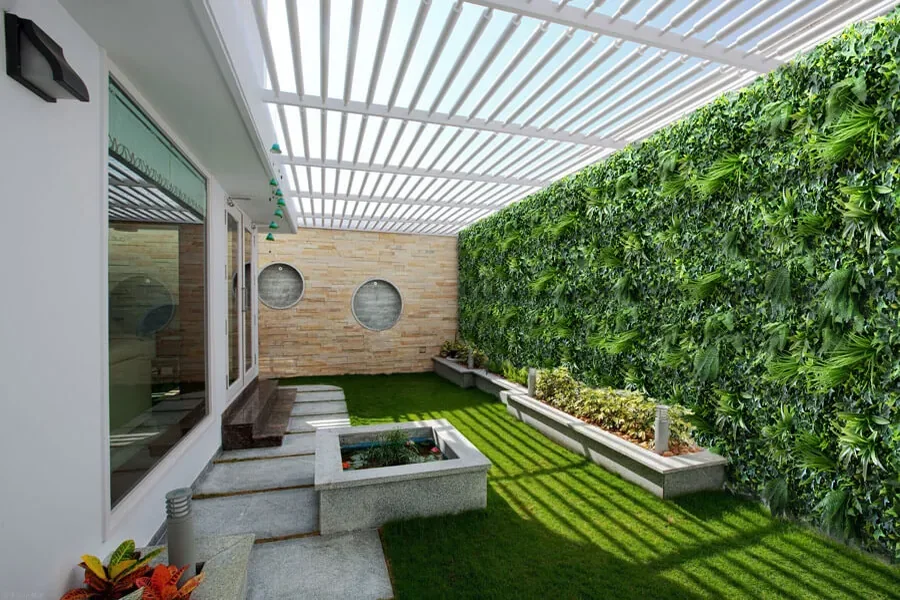
Large-scale installations—green walls, floor plants, and prominent displays—require particular attention. These high-visibility elements receive scrutiny during inspections and present greater fire load if improperly specified.
Maintenance Considerations
Fire-retardant treatments on artificial plants can degrade over time, particularly if plants are cleaned improperly. Use appropriate cleaning methods that preserve fire-resistant properties. Most quality commercial artificial plants maintain their ratings indefinitely with proper care, but this requires following manufacturer guidelines.
Living Plant Alternatives
Some property managers consider living plants to avoid fire code concerns. While living plants don’t require fire rating, they introduce different challenges—ongoing maintenance costs, water damage risks, pest problems, and inconsistent appearance. Many commercial properties find that fire-safe artificial plants offer better overall solutions.
Working With Facilities Teams
Educate facilities staff about fire-safe artificial plant requirements before purchasing. Include fire safety specifications in procurement guidelines. Maintain documentation of certifications for all artificial plants in the building for easy reference during inspections.
Long-Term Value
Three years after installing certified fire-safe artificial plants throughout our building, they’ve passed every inspection without issues. Tenants appreciate the aesthetic enhancement. Operating costs remain minimal. The initial investment has delivered consistent value while eliminating compliance concerns that non-certified alternatives created.
Recommendations for Property Managers
Never compromise on fire safety certifications for commercial artificial plants. The cost savings from non-compliant products aren’t worth the risks, fines, and disruption that code violations create. Work with knowledgeable suppliers who understand commercial requirements and provide proper documentation. Calculate total costs including potential non-compliance consequences rather than just initial purchase price.