


In busy modern lives, rest rarely disappears all at once. It’s chipped away gradually, ten minutes less sleep here, a later bedtime there, until fatigue becomes the norm. As people search for ways to unwind after long days, they often explore everything from evening routines to articles about relaxation tools they come across online, sometimes even reading about products like Snoozy without consciously realizing how little rest they’re actually getting. Over time, rest shifts from a necessity to a negotiable extra.
This quiet trade-off has consequences many don’t notice until exhaustion becomes familiar.
The Hidden Cost of Always Being “On”
Modern culture rewards availability. Notifications arrive around the clock, work bleeds into personal time, and productivity is often treated as a measure of worth. In this environment, rest can feel unproductive, or worse, indulgent.
Many people postpone rest not because they don’t value it, but because it doesn’t feel urgent. Emails feel urgent. Deadlines feel urgent. Commitments feel urgent. Rest rarely demands attention until the body forces it to.
By then, the deficit has already grown.
Why Rest Is the Easiest Thing to Cut
When schedules get tight, rest is often the first thing sacrificed because it feels flexible. Meals can be rushed. Sleep can be shortened. Downtime can be skipped.
Unlike work obligations or family responsibilities, rest doesn’t come with external accountability. No one follows up when you don’t rest. The consequences show up quietly, often disguised as irritability, forgetfulness, or low motivation rather than clear warning signs.
This makes rest easy to overlook, and easy to lose.
The Myth That We Can “Catch Up Later”
One of the most common assumptions about rest is that it can be postponed and recovered later. While occasional late nights may not cause harm, chronic rest deprivation doesn’t resolve itself with a single good night’s sleep.
Fatigue accumulates. Cognitive clarity declines. Emotional resilience weakens. Over time, functioning while tired starts to feel normal, even though it isn’t optimal.
Rest works best when it’s consistent, not when it’s treated as a backup plan.
Rest Isn’t Just About Sleep
When people think about rest, they often think only of sleep. But quality rest includes more than time in bed.
Mental rest, time without stimulation or decision-making, is just as important. Emotional rest, space to process feelings without pressure, also matters. Even physical rest doesn’t always mean sleep; it can mean slowing down, stretching, or reducing strain.
Ignoring these forms of rest leads to exhaustion even when sleep hours seem adequate.
Why Busy Minds Struggle to Slow Down
For many, the challenge isn’t finding time to rest, it’s learning how. Minds accustomed to constant input often resist stillness. Silence can feel uncomfortable. Pauses can feel wasteful.
This is why many people fill rest time with scrolling, background noise, or multitasking. While these activities feel relaxing, they often keep the mind engaged rather than restored.
True rest often requires intention, not just absence of work.
Midway through research on stress and recovery, insights shared by Harvard Medical School highlight that insufficient rest and chronic stress can impair concentration, mood regulation, and long-term health outcomes. These findings reinforce the importance of building rest into daily life rather than treating it as optional.
The Emotional Signals of Rest Deprivation
Lack of rest doesn’t always show up as physical tiredness. Emotional signs often appear first.
People may feel unusually irritable, overwhelmed by small tasks, or emotionally flat. Motivation drops. Patience shortens. Decision-making becomes harder.
These signals are often misattributed to personality or circumstances, when rest deprivation is the underlying cause.
How Rest Became a Luxury Instead of a Need
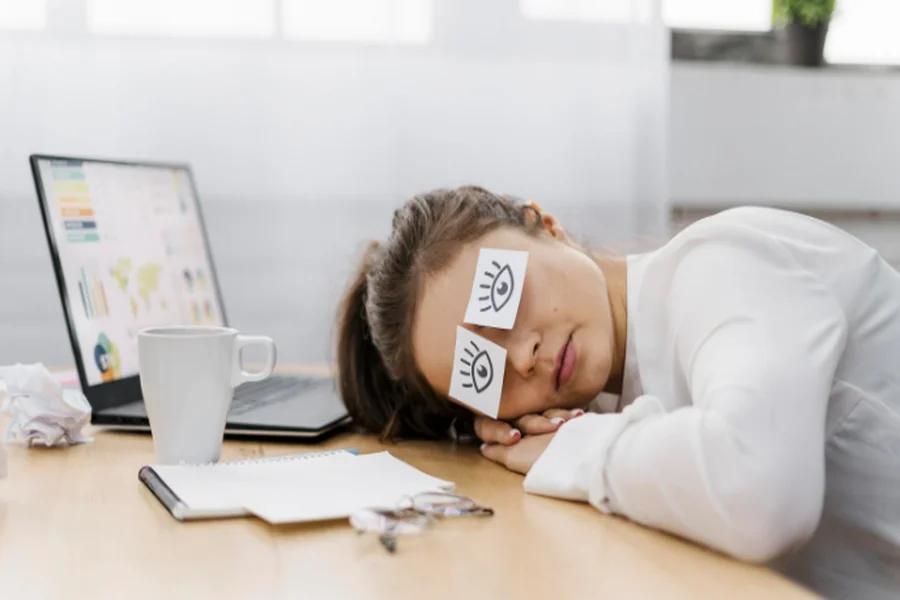
In many conversations, rest is framed as something earned, after productivity, after responsibilities, after success. This framing turns rest into a reward rather than a requirement.
But rest isn’t a sign of laziness. It’s a form of maintenance. Just as physical spaces need upkeep to function well, so do people.
Reframing rest as foundational rather than optional changes how it’s prioritized.
Small Changes That Protect Rest
Protecting rest doesn’t require drastic lifestyle changes. Small adjustments make a difference.
Setting a consistent bedtime, creating screen-free moments, or defining clear end-of-day boundaries can gradually restore balance. Even brief moments of intentional calm during the day help prevent complete depletion.
The goal isn’t perfection, it’s protection.
Rest Supports Everything Else
When rest improves, other areas often follow. Focus sharpens. Emotional regulation strengthens. Productivity becomes more sustainable. Relationships feel less strained.
Rest doesn’t compete with daily responsibilities, it supports them. Without it, everything else requires more effort.
Well-rested people don’t do less; they function better.
Learning to Notice When Rest Is Slipping
One of the most valuable skills is recognizing early signs of rest deprivation. Difficulty concentrating, constant rushing, or feeling “wired but tired” are cues worth listening to.
Noticing these signs early allows for adjustment before exhaustion deepens. Awareness is often the first step toward change.
Listening to the body is an act of respect.
Choosing Rest Without Guilt
Perhaps the hardest part of reclaiming rest is letting go of guilt. Rest doesn’t need justification. It doesn’t need to be earned.
Choosing rest is choosing sustainability. It’s choosing clarity over burnout and balance over constant strain.
In a world that encourages doing more, choosing to rest is a quiet but powerful decision.
Rest as a Daily Practice
Quality rest isn’t created in a single moment. It’s built through daily choices, when to stop, when to pause, and when to slow down.
When rest is treated as a daily practice rather than an occasional luxury, it becomes easier to protect. Over time, life feels less rushed and more intentional.
Rest doesn’t take time away from life. It helps life feel livable.