

Concrete construction relies on a combination of cement, aggregates, and water to create structures that remain strong and durable over time. This material is widely adopted because it performs reliably under compression, adapts to a variety of architectural forms, and can be used in foundations, walls, floors, pavements, and many other structural elements. Its flexibility in application makes it a cornerstone of modern construction projects, from residential buildings to large-scale infrastructure.
Understanding why steel is used in concrete helps explain the strength and durability of modern structures. Concrete excels at resisting compressive forces but cannot withstand tension. Steel, known for its tensile strength and flexibility, fills this gap, allowing structures to endure stretching, bending, and other forces that would otherwise compromise integrity. By combining these two materials, builders create a composite that balances strength and adaptability, resulting in constructions that are safe, long-lasting, and capable of accommodating demanding architectural designs.
The Function of Steel in Concrete Structures
Steel’s primary role in concrete construction is to provide tensile support. Tensile stress occurs when a force attempts to pull materials apart. Concrete alone is prone to cracking under such stress, but embedding steel within the material distributes the tension more evenly, preventing structural failure. This combination enables designers to create taller buildings, longer bridges, and wider spans than would be possible with concrete alone.
The interaction between steel and concrete is facilitated by their similar thermal expansion rates. When temperature changes cause concrete to expand or contract, the steel reinforcement adapts in tandem, maintaining structural stability. This compatibility helps reduce the risk of cracking, deformation, or other damage over time, making the composite material highly reliable for both ordinary and demanding construction applications.Experienced concrete contractors St Louis leverage this engineering principle to ensure that local infrastructure remains durable and resilient against the region’s varying seasonal climate.
Reinforcement Techniques in Concrete
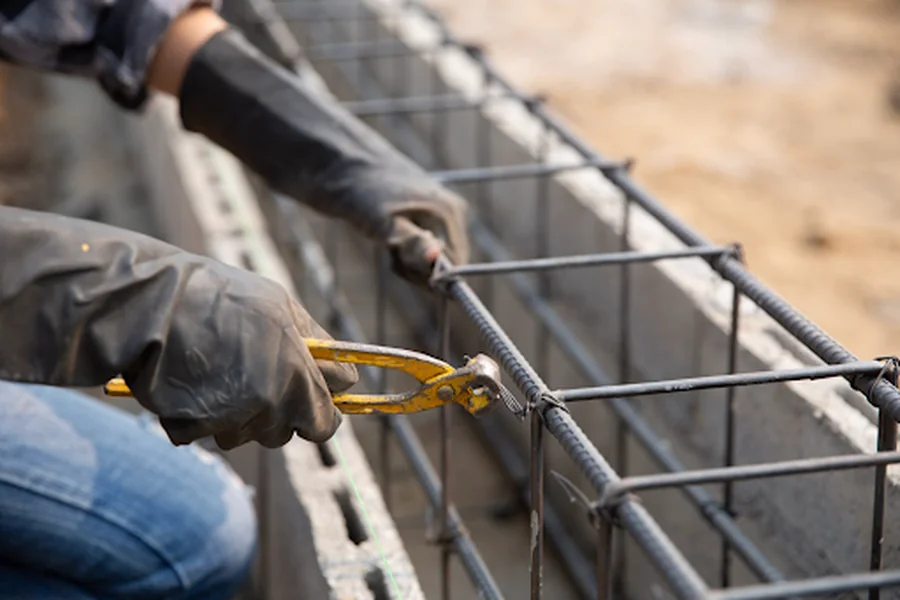
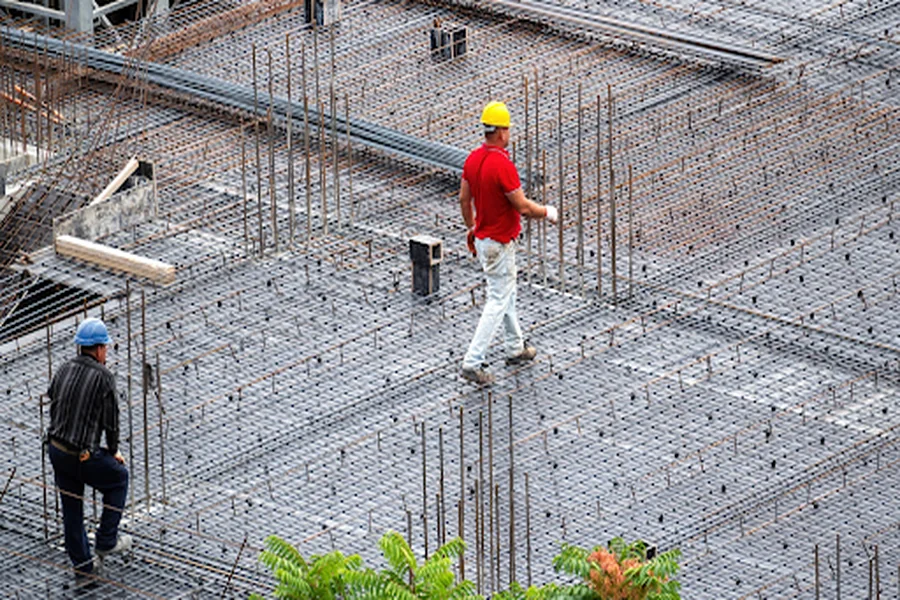
Integrating steel into concrete involves precise planning and careful execution. Steel bars, rods, or mesh are placed within forms before the concrete is poured. These elements are shaped and positioned according to engineering specifications to provide support where tension is expected. Once the concrete sets, the steel becomes fully embedded, creating a single, cohesive structure.
The process requires attention to detail. Correct placement is critical because it affects the durability and performance of the finished structure. Modern construction practices have introduced prefabricated steel meshes and advanced tools that streamline installation. These methods help maintain quality while reducing construction time, making steel-reinforced concrete an efficient choice for projects of all sizes.
Benefits of Steel-Reinforced Concrete
Steel reinforcement delivers multiple practical advantages. Structures become more resilient under dynamic forces, such as wind, seismic activity, and heavy use. Cracks are minimised, which reduces maintenance needs over the structure’s lifespan. Reinforced concrete also improves safety, as it can better handle unexpected loads without failure.
From an economic standpoint, the investment in steel reinforcement often results in long-term savings. Fewer repairs and lower maintenance costs contribute to overall efficiency, and the enhanced load-bearing capacity can reduce the amount of concrete needed. In addition, construction teams benefit from smoother workflows, as pre-engineered steel components simplify on-site assembly and coordination. The combination of performance and cost-effectiveness makes reinforced concrete a practical option for both small-scale and large-scale developments.
Applications Across Construction
Steel-reinforced concrete is employed in a wide range of construction projects. Residential buildings benefit from reinforced slabs and beams, which support multiple floors safely. Commercial structures use reinforced concrete for durable foundations, parking decks, and high-rise frameworks. Infrastructure projects, such as bridges, highways, tunnels, and dams, rely heavily on this combination for structural integrity under heavy traffic, environmental pressures, and long-term wear.
This versatility also extends to architectural innovation. By using steel reinforcement, architects can design structures with complex shapes, cantilevered sections, and open floor plans that would not be feasible with plain concrete. The material’s strength allows for thinner slabs and longer spans, opening possibilities for more efficient space use and creative designs without compromising safety.
Sustainability and Longevity
In addition to performance and cost benefits, reinforced concrete contributes to sustainability in construction. Longer-lasting structures require fewer resources for repair and replacement. Efficient use of materials, combined with the durability provided by steel reinforcement, reduces waste and the environmental footprint of projects. Reinforced concrete can withstand decades of exposure to harsh conditions, ensuring that buildings and infrastructure remain functional and safe for many years.
Conclusion
The integration of steel into concrete has become a fundamental practice in modern construction. The combination of tensile and compressive strength results in structures that can withstand both everyday loads and extraordinary forces. Reinforced concrete provides builders with reliability, durability, and flexibility, allowing for a broad range of architectural and engineering solutions.
Financially, the use of steel reinforcement often leads to long-term benefits, including reduced maintenance, lower material usage, and improved construction efficiency. Structurally, it allows for innovative designs, greater spans, and enhanced safety. Reinforced concrete continues to be a preferred material because it unites strength, efficiency, and adaptability, supporting the creation of structures that meet the rigorous demands of both contemporary architecture and infrastructure development.