
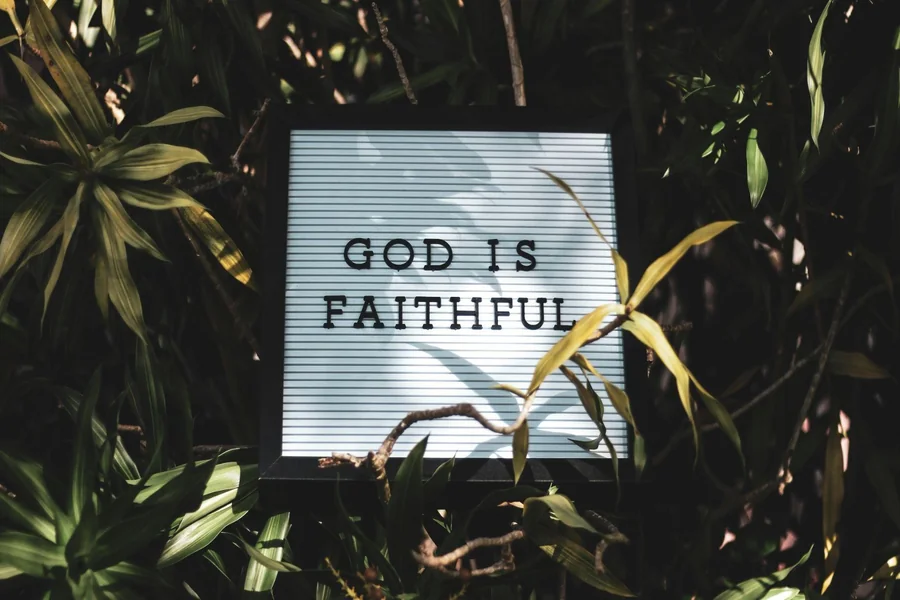

Father’s Day looks different once faith is part of the picture. In many Catholic homes, the day isn’t built around flashy surprises or big gestures. It’s quieter. More reflective. Often shaped by habits that already exist throughout the year. That’s why Catholic Father’s Day gifts tend to feel less like novelty items and more like small extensions of belief, gratitude, and shared tradition.
For Catholic families, Father’s Day rarely stands alone. It fits into a wider rhythm of prayer, responsibility, and family life. What’s celebrated isn’t just a role, but a calling that unfolds slowly, sometimes imperfectly, over years.
How Catholic Families Understand Fatherhood
In Catholic teaching, fatherhood isn’t framed as authority first. It’s framed as responsibility. The idea that a father is meant to reflect something of God’s care, even while being fully human, fully flawed, and still learning.
This understanding quietly shapes how Father’s Day is approached. Instead of focusing on achievements or success, many families focus on presence. On showing up. On patience that doesn’t always come easily.
The Church often speaks about fatherhood as service, not status. That perspective makes its way into homes, sometimes without being spoken aloud. It’s why appreciation on Father’s Day often feels restrained but sincere. A simple thank-you carries more weight than something grand.
Father’s Day Often Starts at Mass
In a lot of Catholic households, Father’s Day begins the same way Sunday usually does: with Mass. It’s not treated as an obligation layered on top of the day, but as the foundation of it.
Some parishes acknowledge fathers directly during the service. Others don’t. Either way, families often include personal intentions in prayer, quietly asking for strength, patience, or guidance for the fathers in their lives.
There’s something grounding about starting the day this way. It reminds everyone that fatherhood is part of a bigger story, not just a family role but a spiritual one.
Gifts That Feel Personal, Not Performative
Catholic Father’s Day gifts tend to avoid trends. They aren’t usually chosen to impress anyone else. They’re chosen to mean something to the person receiving them.
A small crucifix for a desk. A rosary that fits into a pocket. A prayer card slipped into a wallet and forgotten until the right moment. These gifts aren’t always used daily, but when they are, they matter.
What makes them meaningful is that they don’t demand attention. They sit quietly in a father’s life, much like faith itself often does.
The Influence of St. Joseph
St. Joseph comes up a lot around Father’s Day in Catholic families, even if no one makes a big deal out of it. His example fits naturally with how many fathers experience their role.
He’s remembered for being steady, not loud. Present, not perfect. Willing to act without needing recognition. That resonates with men who spend years doing necessary, unseen work for their families.
Gifts connected to St. Joseph aren’t about symbolism for symbolism’s sake. They’re reminders of a way of living that values faithfulness over praise.
Home Traditions That Shape the Day

Father’s Day in Catholic homes often looks familiar. Breakfast together. A meal that takes a little longer than usual. A blessing before eating that feels more intentional than routine.
Children might make cards with prayers written in their own words. Not always eloquent. Sometimes awkward. That’s part of the charm.
These small rituals don’t feel like a production. They feel like an extension of daily life, just with a little more attention paid to gratitude.
Why the Timing of Appreciation Matters
One thing Catholic families often understand instinctively is that appreciation shouldn’t be rushed. Father’s Day doesn’t need to peak early and fade quickly.
Sometimes the most meaningful moments happen later. A quiet conversation in the afternoon. A shared walk. A moment where a father realizes he’s seen, even when he doesn’t talk much about what he carries.
Psychological research supports this slower approach. According to the American Psychological Association, consistent recognition and emotional support within family relationships play a significant role in long-term well-being and resilience. It’s not about intensity. It’s about continuity.
Faith as Something Lived, Not Displayed
Catholic Father’s Day celebrations rarely feel performative. Faith isn’t put on display for the occasion. It’s already woven into daily routines, prayers, and decisions.
That’s why gifts and gestures feel understated. They aren’t meant to announce belief, only to support it.
A father might receive something spiritual and never mention it again. But months later, that same object might be the one he reaches for in a difficult moment.
Conversations That Don’t Always Happen Otherwise
Father’s Day sometimes opens space for conversations that don’t usually come up. Not dramatic talks, but quiet ones.
Children might ask about their father’s faith growing up. About doubts. About mistakes. About what prayer looks like when answers don’t come.
These conversations don’t follow scripts. They unfold slowly, often unevenly. But they leave an impression.
Recognizing Fathers Beyond Biology
Catholic families often extend Father’s Day beyond biological fathers. Godfathers, grandfathers, uncles, and mentors are often acknowledged, sometimes quietly, sometimes directly.
This reflects a broader Catholic understanding of spiritual fatherhood. Guidance, protection, and care don’t belong to one title alone.
Acknowledging these relationships feels natural, not forced, because faith recognizes influence wherever it genuinely exists.
Why Simplicity Carries More Meaning
In Catholic Father’s Day celebrations, simplicity isn’t minimalism for its own sake. It’s intentional.
Faith teaches restraint. It values depth over display. That approach shapes how families celebrate, how they give, and how they express gratitude.
Father’s Day becomes less about marking a date and more about recognizing a role that continues long after the cards are put away.
And that’s what makes it feel real.