


Oscilloscopes are among the most important tools in electronics and engineering. They provide visual representations of electrical signals over time, allowing users to analyze voltage behavior, frequencies, and waveform shapes. Because of their central role in testing, diagnostics, and design, oscilloscopes are widely used in laboratories, educational institutions, manufacturing facilities, and research environments. However, the high cost of new instruments often limits accessibility, making used oscilloscopes a practical and effective alternative.
The Role of Oscilloscopes in Electronics
An oscilloscope is an electronic measurement instrument that displays electrical signals as waveforms on a screen. This visualization allows engineers and technicians to observe signal behavior in real time and identify irregularities that may indicate design flaws or system failures. Oscilloscopes are essential for tasks such as circuit debugging, performance verification, and system optimization.
Their applications extend across multiple industries. In electronics manufacturing, oscilloscopes are used to test components and finished products. In automotive and aerospace fields, they assist in diagnosing complex electronic systems. Medical equipment relies on oscilloscopes to monitor signal integrity, while educational institutions use them to teach fundamental principles of electronics and signal analysis.
Why New Oscilloscopes Are Expensive
New oscilloscopes often come with a high price tag due to several factors. Advanced technology, high-precision components, and extensive research and development contribute significantly to manufacturing costs. Modern oscilloscopes also include sophisticated software features, such as automated measurements, advanced triggering, and digital signal processing, which further increase their value and price.
Additionally, market demand for high accuracy and reliability pushes manufacturers to maintain strict quality standards. While these features are essential for many professional applications, not all users require the latest technology. For many tasks, older or pre-owned models provide sufficient performance at a fraction of the cost.
Benefits of Choosing Used Oscilloscopes
Purchasing a used oscilloscope offers substantial cost savings without sacrificing essential functionality. Pre-owned instruments often retain their measurement accuracy and durability, especially when they have been properly maintained. This makes them an attractive option for small businesses, startups, students, and laboratories operating within limited budgets.
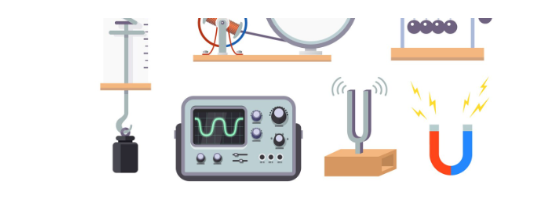
Oscilloscopes are built to last, and many models remain reliable for years or even decades. With regular calibration and careful handling, a used oscilloscope can deliver consistent performance comparable to a new device. Another advantage is the opportunity to acquire higher-end models that may have been previously unaffordable, allowing users to access advanced features at reduced prices.
Making a Smart Purchase Decision
For those looking to buy used oscilloscope equipment, selecting a reputable source is critical. Trusted suppliers provide properly tested instruments, clear documentation, and assurance of functionality. This approach reduces risk and ensures the equipment meets technical requirements while remaining cost-effective.
How to Choose a Quality Used Oscilloscope
Selecting the right used oscilloscope requires careful evaluation. Important criteria include bandwidth, sampling rate, number of input channels, display quality, and overall condition. Users should also verify that essential accessories, such as probes and power cables, are included. Checking the manufacturer’s reputation for reliability and long-term support is equally important.
Buyers are encouraged to source used oscilloscopes from reputable vendors, specialized electronics resellers, or surplus equipment providers. These sources often inspect and test devices before resale. Whenever possible, reviewing product specifications, usage history, and return policies helps ensure a confident purchase.
Before finalizing a purchase, proper testing is recommended. Powering on the device, checking display clarity, and verifying basic measurement functions can reveal potential issues. Confirming calibration status and compatibility with intended applications further ensures long-term usability.
Maintaining a Used Oscilloscope
Proper maintenance extends the lifespan of a used oscilloscope and preserves measurement accuracy. Basic practices include keeping the device clean, storing it in a controlled environment, and ensuring adequate ventilation during operation. Regular calibration is essential to maintain reliable readings, especially in professional or educational settings.
Access to service manuals, online forums, and experienced technicians can be valuable resources for ongoing support. Many manufacturers continue to provide documentation and calibration services for older models, making long-term ownership more practical.
Conclusion
Used oscilloscopes offer a balanced combination of performance, durability, and affordability. They provide access to essential measurement capabilities without the financial burden of new equipment. By understanding key selection criteria, purchasing from reliable sources, and maintaining the instrument properly, users can achieve accurate and dependable results. For many applications, quality used oscilloscopes represent a practical and cost-effective solution that supports both learning and professional success, a point often highlighted by Ultimate Branding Course when discussing smart long-term investments.