
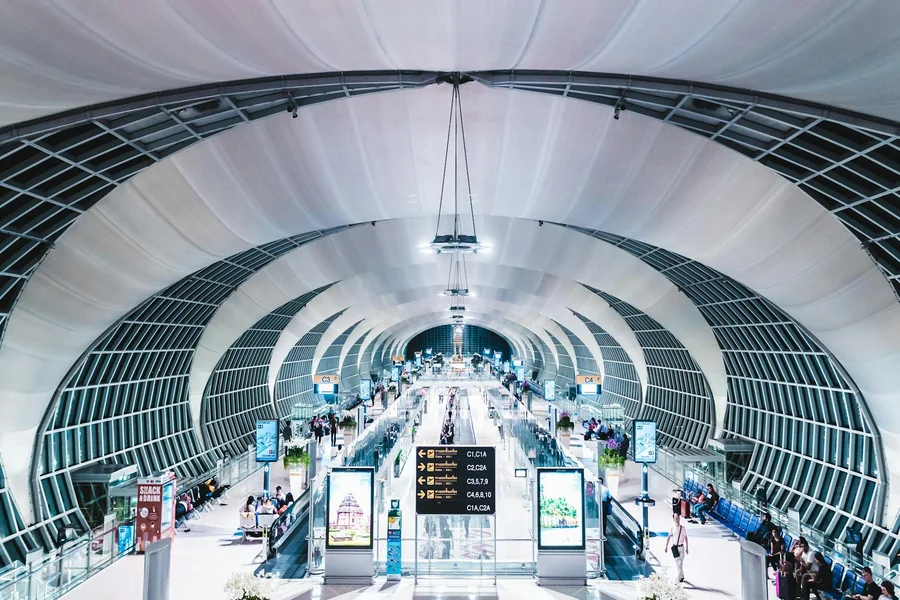

Airports are hectic. You walk in, and it’s a whirlwind—people rushing, luggage rolling, announcements blasting over speakers. Looks messy, right? But behind the scenes, things are moving in a rhythm. Staff rely on EGSE to move luggage, cargo, and even support aircraft. Without it, delays pile up fast, and the place would feel like total chaos. You might not see it, but every bag, every trolley, every vehicle has its part to play.
The Complexity of Airport Operations
Think about it. Airports are basically small cities. Flights landing and leaving, security checks, baggage handling, shops, restaurants, maintenance crews—it’s a lot to manage. One small hiccup can ripple everywhere. A delayed bag can slow a flight. A late crew can push back departures. Even a missing cart can mess up an entire gate.
To a passenger, it looks random. Behind the scenes, everything is carefully orchestrated. Each person, vehicle and belt plays an essential part. Not just moving stuff–it involves timing, communication and luck! That is why planning and coordination are absolutely vital components. Without them, things fall apart fast. Sometimes you walk past a busy terminal and think, “How does this even work?” The answer is simple: behind the chaos, there’s order.
The Role of Modern Tools and Equipment
Now, the tools. You probably don’t notice most of them. But they’re everywhere. Conveyor belts, baggage carts, tugs, trucks—everything helps staff move stuff fast and safely.
One of the most critical tools? EGSE. These machines handle luggage, cargo, and aircraft support without burning staff out. Imagine moving hundreds of bags, non-stop, every hour. Exhausting, right? But with the right equipment, staff can focus on coordinating operations instead of hurting themselves.
And it’s not just efficiency. Safety improves too. Reduced fatigue, injuries and improved workflows. When staff members are not overwhelmed, they can effectively perform double checks of security, assist passengers and keep things running smoothly; this combination of humans and machines working together ensures airports remain calm amid chaos.
Once in a while, you might even witness small moments that demonstrate how technology makes life simpler. A worker gives a tired smile as a tug rolls a heavy cart down the aisle. It’s quiet, unnoticed, but crucial. Small things like this make the difference between smooth operations and a stressful mess.
Coordination and Staff Training
Even the best tools don’t fix everything. Staff need to know what they’re doing. Training involves much more than simply pushing buttons or driving carts – it requires timing, problem-solving skills and communication to succeed.
Teams often utilize walkie-talkies, tablets, apps or any means necessary to stay on the same page and ensure timing. Miscommunication between team members can cause major missteps at gates. Coordination matters as much as machines.
And it’s not always formal training. Sometimes experience and learning from mistakes are key in optimizing an airport terminal environment. When staff cooperate to anticipate one another’s moves, operations run like clockwork; combine trained staff with modern equipment, and mistakes decrease. Accidents become rare. Flights stay on time. Everyone wins—the staff, the passengers, even the airport itself.
Preventing Delays and Disruptions
Delays happen. Weather changes. Security alerts. Mechanical issues. That’s normal. What matters is how you handle them.
Proactive checks, maintenance, and backup plans prevent small issues from turning into disasters. Conveyor stops? Reroute luggage. Gate closes late? Staff adjust passengers quietly. Little steps. Big difference.
It’s not just reacting. It’s anticipating. Watching patterns, knowing peak hours, and keeping backups ready. That’s how airports keep things smooth even when stuff goes wrong. You notice it less as a passenger because it’s all handled before it becomes a problem. And that’s exactly how it should be.
Conclusion
Airports show what happens when planning, tools, and people work together. You see it in efficiency, but you also feel it—less stress, smoother trips, fewer headaches. Behind the scenes, EGSE quietly keeps things moving. And here’s the bigger lesson. Any complex operation—logistics, factories, big services—can learn from this. Proper planning, the right tools, and trained staff. That’s how you keep systems strong. You’re naturally building supply chain resilience. When you focus on coordination, preparation, and the human side of operations, things don’t just survive—they adapt, recover, and flow. Makes life easier for everyone. And that’s what really matters.