
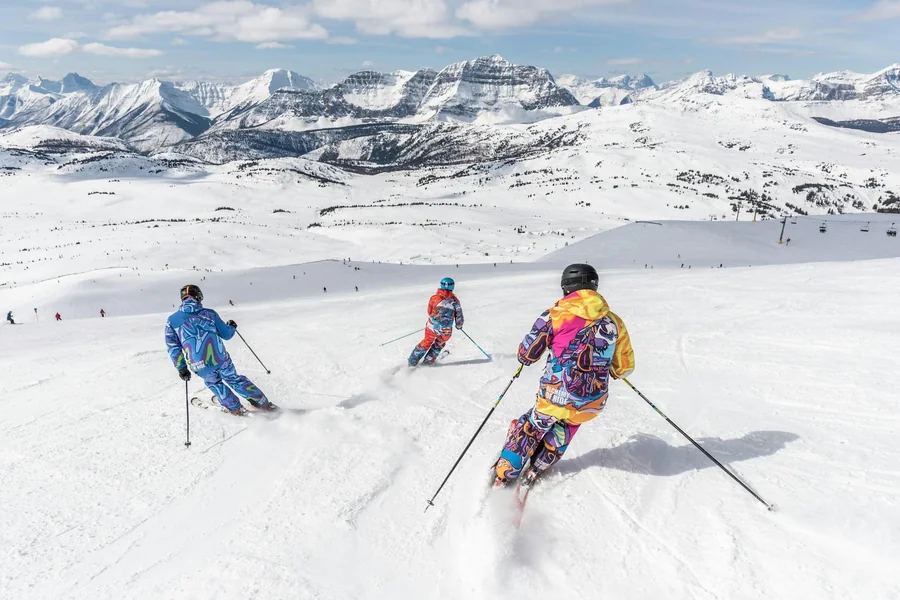

Photo by Banff Sunshine Village on Unsplash
A full day of skiing demands far more than just technical skill. From the first chairlift to the final run, the combination of cold temperatures, altitude, physical exertion, and sustained concentration places unique stress on both body and mind. Many skiers focus heavily on equipment and conditions, but true preparation starts earlier, with habits that support endurance, awareness, and recovery throughout the day.
Experienced skiers know that energy management is as important as technique. Planning hydration, pacing, and fueling in advance is part of that equation, which is why thinking of the best snacks for skiing often comes up before anyone even clicks into their boots. Preparing properly allows skiers to stay sharp, avoid fatigue-related mistakes, and enjoy more time on the mountain.
Building Physical Readiness Before You Arrive
Skiing engages muscles that are often underused in daily life. Quadriceps, hamstrings, glutes, and core muscles all work continuously to control speed and balance, while stabilizing muscles in the ankles and hips manage uneven terrain. Preparing your body in the days or weeks before a ski trip can make a noticeable difference.
Simple strength and mobility work helps reduce soreness and improve control. Squats, lunges, step-ups, and balance exercises build leg strength and coordination, while light cardio supports stamina. Stretching hips, calves, and lower back improves range of motion and reduces the risk of tightness that can limit movement on the slopes.
Adequate sleep leading up to a ski day also plays a role. Fatigue slows reaction time, which matters when conditions change quickly or visibility drops. Well-rested skiers tend to ski more confidently and with better form.
Understanding the Mental Demands of Skiing
Skiing is not just physically intense; it is mentally demanding. Constant decision-making, awareness of other skiers, changing snow conditions, and terrain assessment all require focus. Mental fatigue often appears before physical exhaustion, especially for those skiing unfamiliar mountains.
Mental preparation starts with realistic expectations. Accepting that not every run needs to be aggressive helps reduce pressure and conserve energy. Warming up with easier terrain allows the mind to adapt gradually, improving confidence and flow as the day progresses.
Taking short breaks is also a mental reset. Stepping away from the slopes for a few minutes helps maintain attention and reduces the chance of careless errors later in the day.
Managing Energy Throughout the Day
One of the biggest challenges on the slopes is maintaining consistent energy. Cold temperatures can increase energy demands, and altitude can amplify fatigue, particularly for those who are not used to it. Waiting until exhaustion sets in to refuel or hydrate often leads to dips in performance and enjoyment.
Hydration is frequently overlooked in winter sports because cold air can blunt thirst signals. The U.S. Centers for Disease Control and Prevention (CDC) notes that dehydration can affect physical performance and heat regulation, which matters even in cold environments when you’re sweating under layers and breathing dry mountain air. Building in regular water breaks, even when you don’t feel thirsty, helps support steadier stamina and clearer decision-making.
Eating small amounts at regular intervals can also help keep energy more stable through a long day. Instead of relying on a single heavy meal, many skiers do better with lighter, portable options that are easy to digest and don’t interrupt the flow of the day. Pairing carbohydrates for quick energy with some protein or fat for staying power is a common approach, especially if you’re aiming to avoid the mid-afternoon slump.
Dressing for Comfort and Endurance
Clothing choices influence both physical comfort and mental focus. Being too cold increases muscle tension, while overheating leads to dehydration and fatigue. Layering allows skiers to adjust to changing temperatures and exertion levels throughout the day.
Breathable base layers, insulating mid-layers, and weather-resistant outer layers help regulate body temperature. Gloves, socks, and headwear also matter more than many realize, as cold extremities can distract from technique and awareness.
Comfortable gear reduces unnecessary strain, allowing skiers to focus on movement and terrain rather than discomfort.
Pacing Yourself on the Mountain
Photo by Glade Optics on Unsplash
Many injuries and mistakes happen late in the day, when fatigue quietly builds. Learning to pace yourself is one of the most effective ways to ski longer and safer. This means alternating demanding runs with easier ones and recognizing when it is time to slow down.
Experienced skiers often plan their day around energy levels, saving more challenging terrain for times when focus and strength are highest. This approach not only improves performance but also makes the overall experience more enjoyable.
Recovery After the Slopes
Preparation does not end when the lifts close. Recovery is part of readiness, especially for multi-day trips. Light stretching after skiing helps reduce stiffness, while proper hydration and balanced meals support muscle repair.
Sleep again plays a key role. Quality rest allows the nervous system and muscles to recover, making the next day feel smoother and more controlled.
Bringing It All Together
Preparing for a full day on the slopes is about balance. Physical readiness, mental focus, and thoughtful energy management work together to shape how the day unfolds. When skiers take a holistic approach, considering conditioning, mindset, pacing, and fueling, they tend to ski with more confidence and fewer interruptions.
The goal is not perfection but sustainability. With the right preparation, skiers can stay engaged from the first run to the last, making the most of every hour on the mountain while reducing fatigue and risk along the way.