
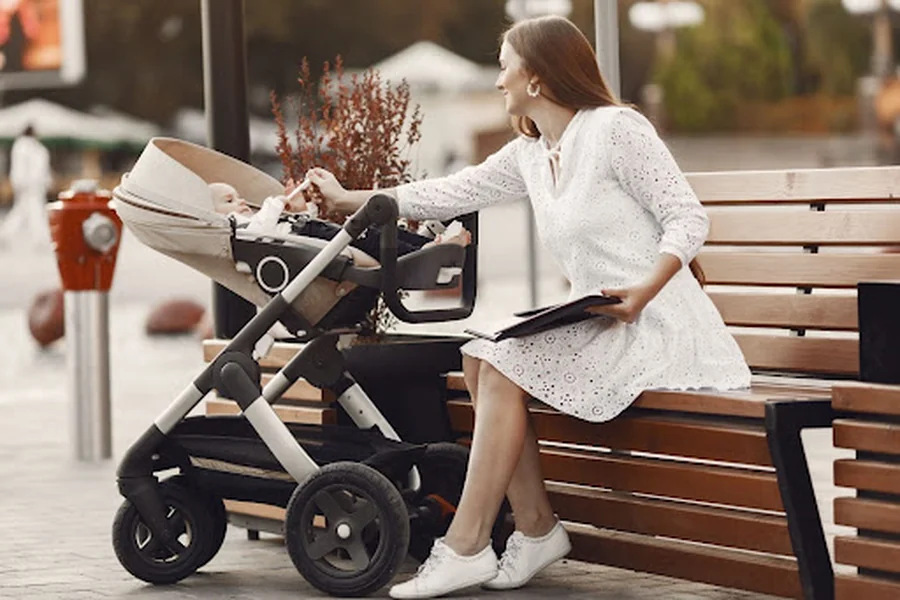

The baby stroller market has become increasingly competitive as parents demand higher safety standards, better usability, and thoughtful design. Strollers are no longer viewed as simple mobility tools; they are now expected to support modern lifestyles, travel needs, and everyday convenience. For brands looking to stand out in this environment, product development quality is just as important as marketing and branding.
To meet these rising expectations, many stroller brands rely on OEM manufacturing to develop custom products that balance innovation, safety, and cost efficiency. OEM partnerships allow brands to focus on customer needs while experienced manufacturers manage the technical complexities of stroller production.
Changing Expectations in the Baby Stroller Market
Parents today are more informed than ever before. Before making a purchase, they research materials, safety certifications, comfort features, and long-term durability. This shift in consumer behavior has pushed stroller brands to deliver products that meet both functional and emotional expectations.
Modern stroller buyers look for:
- Easy folding and compact storage
- Smooth movement on different surfaces
- Lightweight yet strong frame construction
- Comfortable seating and secure harness systems
- Designs that suit urban and travel lifestyles
Meeting all these requirements consistently requires advanced manufacturing capabilities, which many brands achieve through OEM partnerships.
What OEM Manufacturing Means for Custom Stroller Development
OEM manufacturing allows brands to design strollers under their own identity while outsourcing production to specialized manufacturers. This model is especially useful for brands that want custom products without investing heavily in factories, machinery, or technical teams.
An experienced baby stroller OEM manufacturer supports brands throughout the product development process. This includes engineering design, prototype development, material sourcing, production planning, and quality assurance. As a result, brands can launch customized strollers more efficiently and with reduced risk.
From Concept to Prototype: The Development Process
Custom stroller development begins with a concept. Brands may have specific ideas about design, functionality, or target customers. OEM manufacturing partners help translate these ideas into practical designs that meet safety and usability requirements.
The development process typically includes:
- Reviewing design concepts and technical feasibility
- Creating detailed engineering drawings
- Producing functional prototypes for evaluation
- Conducting initial safety and performance testing
- Refining designs based on feedback
This structured approach ensures that potential issues are identified early, saving time and development costs.
Material Selection and Engineering Balance
Material selection plays a critical role in stroller performance. Frames must be strong enough to ensure safety while remaining light enough for daily handling. Fabrics should be durable, comfortable, and safe for infants celebrity net worth.
OEM manufacturers bring experience in selecting appropriate materials, such as lightweight alloys for frames and child-safe fabrics for seating. They also ensure that components such as joints, hinges, and wheels are engineered for repeated use without failure.
This balance between strength, weight, and durability is essential for delivering a reliable stroller product.
Safety Testing and Compliance in Custom Production
Safety compliance is a major concern in stroller manufacturing. Different markets require different certifications and testing procedures. OEM partners are familiar with these requirements and integrate compliance into the development process from the beginning.
Testing often includes:
- Stability and balance assessments
- Load and weight capacity testing
- Brake and locking system evaluations
- Durability testing for repeated folding and use
- Material safety inspections
By addressing safety early, brands reduce the risk of delays or compliance issues when entering new markets.
Customization That Reflects Brand Identity
One of the biggest advantages of OEM manufacturing is the ability to customize products without compromising quality. Customization helps brands create strollers that reflect their identity and appeal to specific customer segments.
Customization options may include:
- Unique frame designs and folding systems
- Color schemes and fabric textures
- Handlebar ergonomics and grip materials
- Wheel size and suspension preferences
- Branding elements such as logos and packaging
These features allow brands to differentiate their products while maintaining consistent performance standards.
Managing Production Costs Through OEM Expertise
Cost control is an important consideration for stroller brands, especially during product development. OEM manufacturing partners help optimize costs by leveraging existing supply chains, efficient production systems, and bulk material sourcing.
By working with experienced manufacturers, brands can avoid unnecessary expenses while maintaining high quality. This balance between cost efficiency and product reliability is essential for long-term profitability.
Scaling Custom Stroller Production
As a brand grows, demand for its strollers may increase. OEM manufacturing partners are equipped to scale production efficiently without sacrificing quality. Standardized workflows and trained quality control teams ensure that increased volume does not lead to inconsistent products.
Scalable production helps brands:
- Meet growing market demand
- Maintain consistent quality standards
- Reduce operational pressure
- Plan long-term expansion strategies
This scalability supports sustainable business growth.
Communication and Collaboration in OEM Partnerships
Successful custom stroller development depends on close collaboration between brands and manufacturers. Clear communication ensures that design expectations, timelines, and quality standards are aligned throughout the process.
Regular updates, transparent documentation, and open feedback channels help prevent misunderstandings and delays. This collaborative approach strengthens long-term partnerships and improves overall outcomes.
Supporting Brand Growth Through Custom Manufacturing
OEM manufacturing is more than a production solution—it is a strategic partnership. Manufacturers with industry experience provide valuable insights that help brands improve designs, respond to market trends, and expand product lines.
Brands that work with a reliable baby stroller OEM manufacturer gain access to expertise that supports both current product development and future growth plans.
Building Consumer Trust Through Custom Quality
Parents place their trust in brands that consistently deliver safe and reliable products. Custom stroller development backed by professional manufacturing processes helps brands meet these expectations.
Behind many successful stroller brands are manufacturing partners like bebluxbaby.com, which support businesses with structured OEM and ODM solutions focused on quality, safety, and long-term value.
Conclusion
Custom baby stroller development requires careful planning, technical expertise, and reliable production systems. OEM manufacturing provides brands with the tools and support needed to transform ideas into market-ready products without compromising safety or quality.
By partnering with experienced manufacturers, stroller brands can deliver customized solutions that meet modern parenting needs while building trust and credibility in competitive markets. For brands focused on innovation and long-term success, OEM manufacturing remains a powerful and practical strategy.