
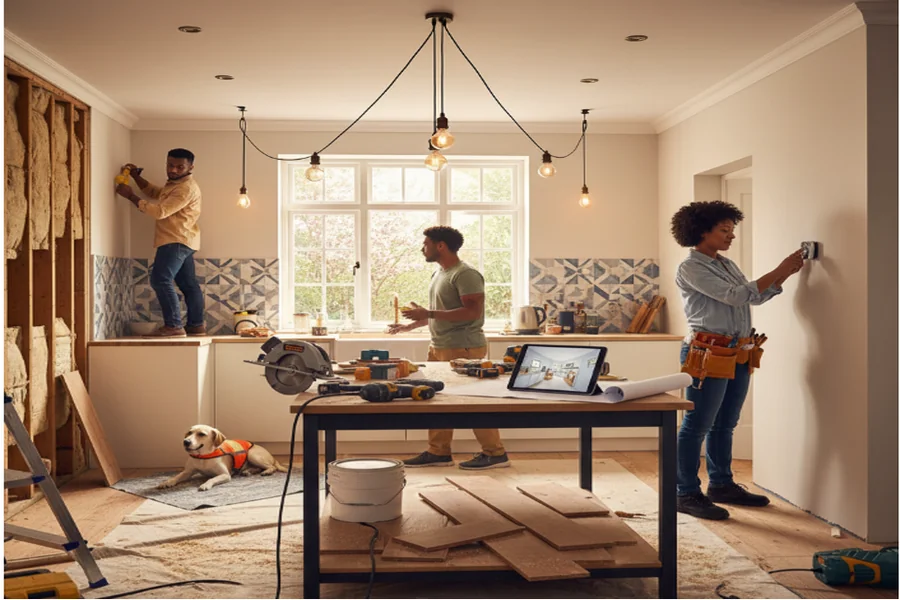

Home renovation is often driven by emotion. We upgrade spaces to make daily life more comfortable, more stylish, or more personal. But when resale value enters the picture, the strategy needs to change. Not every renovation increases a home’s worth. Some projects look impressive but fail to deliver real financial return when it’s time to sell.
Smart renovations focus on practicality, durability, energy efficiency, and broad buyer appeal. The goal is simple: make your home more attractive to future buyers while improving how you live today. In my research, the upgrades that consistently deliver the best results are not always the most expensive ones—they’re the ones that improve functionality and reduce long-term costs.
Renovation ROI
Return on investment (ROI) in renovation refers to how much of your spending is recovered through increased property value. A project that costs $10,000 and adds $8,000 in value has an 80% ROI. High-ROI upgrades usually improve essential living areas, energy efficiency, or curb appeal.
Buyers and appraisers look for three things:
- Practical improvements that reduce future maintenance.
- Energy savings and efficiency upgrades.
- Modern features that match current lifestyle needs.
Balancing lifestyle upgrades with resale potential is key. Renovating purely for resale can make a home feel generic stayinthewoods.com, while renovating only for personal taste can limit buyer interest. The best projects sit comfortably in the middle.
Kitchen Upgrades That Deliver the Highest Value
The kitchen remains one of the most influential rooms in property valuation. Buyers often decide how they feel about a home within minutes of seeing the kitchen.
Modern buyers prioritize layout and functionality over luxury finishes. Removing a non-structural wall to create an open kitchen can dramatically improve perceived space and usability. Open kitchens connect cooking, dining, and socializing—something many buyers now expect.
Cabinet refacing is another smart move. Fully replacing cabinets is expensive, but refacing doors, repainting, and updating hardware often delivers a similar visual impact at a fraction of the cost.
Countertops matter more than many homeowners realize. Quartz has become a strong favorite because it looks premium while requiring less maintenance than natural stone.
Pairing durable countertops with energy-efficient appliances adds practical value. Buyers increasingly care about long-term energy savings, not just appearance.
Bathroom Renovations That Impress Buyers
Bathrooms may be smaller spaces, but their impact on buyer perception is huge. A clean, modern bathroom signals that a home is well maintained.
Walk-in showers are becoming more desirable than bathtubs, especially in primary bathrooms. They look modern, feel spacious, and are easier to maintain. That said, keeping at least one bathtub in the home is still important for families with young children.
Water-efficient fixtures add both environmental and financial appeal. Low-flow toilets and modern showerheads reduce water bills while aligning with sustainability trends. Lighting also plays a major role. Replacing outdated lighting with bright, warm LED fixtures instantly modernizes the space without major cost.
Energy Efficiency Upgrades That Boost Property Value
Energy efficiency has shifted from a “nice bonus” to a major selling point. Rising utility costs and environmental awareness mean buyers increasingly ask about insulation, windows, and energy performance. Improved insulation and air sealing are among the most overlooked upgrades. They are invisible but highly valuable because they reduce heating and cooling costs year-round.
Replacing old windows with double- or triple-glazed options improves comfort, reduces noise, and increases efficiency. Homes with modern windows often feel quieter and more comfortable during viewings. Solar panels can add value in the right markets, especially where electricity prices are high. Even without solar, a home that demonstrates lower energy usage stands out during the buying process.
Technology That Attracts Modern Buyers
Smart buildings technology is no longer a luxury feature. Many buyers now expect at least basic smart functionality. Smart thermostats help reduce energy use while making homes easier to control.
Smart locks and video doorbells improve security and convenience. These upgrades are relatively affordable but create a strong impression during home tours. For homeowners looking to go a step further, installing a home elevator is a premium addition that significantly raises property value and broadens buyer appeal, particularly among those planning for long-term accessibility or multi-generational living.
Another forward-thinking upgrade is installing an electric vehicle charging point. As EV adoption grows globally, homes that already support charging feel more future-ready and appealing.
Flooring Renovations With Strong ROI
Flooring has a powerful psychological effect on how spacious and clean a home feels. Worn carpets and mismatched flooring can make an otherwise well-maintained home feel outdated.
Hardwood flooring continues to be highly desirable, but engineered wood and luxury vinyl plank (LVP) have become popular alternatives. They offer durability, moisture resistance, and lower cost while still delivering a modern appearance.
Consistency is key. Using the same flooring across main living spaces makes the home feel larger and more cohesive.
Curb Appeal Improvements That Raise First Impressions
First impressions start before buyers walk through the door. Exterior appearance strongly influences perceived value.
Fresh exterior paint, updated lighting, and a modern front door can transform a home’s appearance quickly. Landscaping also plays a significant role. Simple upgrades like trimmed hedges, new plants, and clean pathways create a welcoming look without major expense.
Garage door replacement is one of the highest-ROI exterior upgrades. It’s highly visible and dramatically improves curb appeal.
Creating Flexible Living Spaces Buyers Love
Modern lifestyles have changed how people use their homes. Flexible spaces are now highly desirable.
Home offices became essential during the remote work shift. A dedicated workspace—even a small one—adds real value. Finished basements also increase usable living space, making homes more appealing to larger families or buyers who want entertainment areas.
Converting unused spaces into functional rooms is often more valuable than expanding the home’s footprint.
Storage Upgrades That Make Homes Feel Bigger
Storage is one of the most underrated value drivers in real estate. Homes that feel organized and clutter-free appear larger and more functional. Built-in shelving, closet systems, and garage storage solutions create the impression of thoughtful design. Walk-in closets, in particular, are a strong selling point in primary bedrooms.
Outdoor Living Spaces That Add Lifestyle Value
Outdoor spaces have become extensions of indoor living areas. Buyers increasingly look for functional outdoor environments.
Decks and patios provide space for entertaining and relaxation. Adding shade structures or simple outdoor seating areas makes the space more usable year-round.
Low-maintenance landscaping is especially appealing because buyers want beauty without heavy upkeep.
Renovations That Often Don’t Pay Off
Not all upgrades deliver value. Over-personalized renovations can limit buyer appeal. Highly customized features may suit the current owner but discourage potential buyers who imagine expensive changes.
Over-improving for the neighborhood is another risk. A luxury renovation in a modest area rarely recovers its full cost.
Trendy designs can also age quickly. Choosing timeless finishes often leads to better long-term results.
Budget Planning for Smart Renovations
Smart renovation planning prioritizes high-impact projects first. Kitchens, bathrooms, energy efficiency, and curb appeal usually offer the strongest returns.
A phased renovation approach can help spread costs over time while steadily increasing value. Knowing when to DIY and when to hire professionals is also important. Electrical, plumbing, and structural work typically require professional expertise.
Final Thoughts
Increasing home value doesn’t require massive construction projects. Strategic upgrades focused on function, efficiency, and modern living can deliver strong returns. Thinking like a future buyer while renovating helps guide smart decisions. In many cases, small targeted improvements outperform expensive remodels. Renovating smarter—not bigger—is what truly increases home value over time.