

Have you ever sat in a restaurant and noticed how everything seems to move in a natural flow?
Orders go to the kitchen, dishes come out on time, and the staff stays coordinated during busy hours. Many restaurants follow practical methods that help them keep daily work organized and comfortable for both staff and guests.
Running a restaurant includes many activities. Staff manage orders, prepare food, serve guests, and handle payments. When these tasks are organized properly, the whole place runs calmly even during busy times. Many restaurants today use structured systems and simple routines to keep their operations running smoothly.
Below are nine practical approaches restaurants use every day to maintain steady operations and provide a pleasant experience for their customers.
1. Organized Order Management
Restaurants receive many orders throughout the day. Keeping these orders organized helps staff and kitchen teams work comfortably.
Clear Order Flow
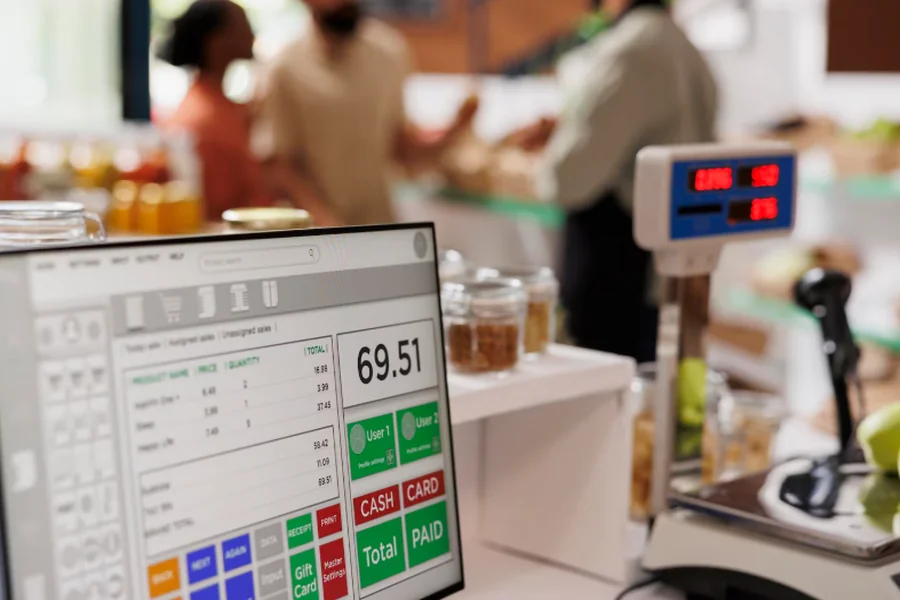
A digital ordering system allows staff to enter customer requests quickly and accurately. Once the order is entered, the kitchen receives the information instantly. Many restaurants manage this through a cloud based pos system that keeps all order information in one place.
The staff can see order details, table numbers, and menu selections clearly on the screen. This helps everyone stay on the same page and keeps the order flow steady throughout the day.
2. Clear Kitchen Communication
The kitchen team plays an important role in restaurant operations. When communication between the service area and the kitchen is clear, food preparation becomes well organized.
Kitchen Display Coordination
Many restaurants send orders directly to a kds system inside the kitchen. The screen shows the dishes that need to be prepared, along with any notes added by the server.
The kitchen staff can follow the order sequence easily. Each dish appears clearly with preparation instructions, which helps the kitchen team stay focused and organized during busy hours.
3. Simple Menu Management
Menus sometimes change with new dishes or updated prices. Restaurants often manage these updates through digital systems so the menu stays accurate.
Digital Menu Updates
When menu changes are handled digitally, the updated items appear immediately in the ordering system. Staff can view the latest menu on the screen while taking orders.
Restaurant managers can update dish names, prices, or descriptions quickly. This keeps the ordering process simple for both staff and guests.
4. Efficient Payment Handling
Payments are an important part of the dining experience. A smooth checkout process helps restaurants maintain a comfortable environment for customers.
Flexible Payment Options
Restaurants today accept different types of payments, including cards and mobile payments. A digital payment system calculates the bill automatically and shows the final amount clearly.
Staff can process the payment through the same system that handles orders. This keeps billing organized and saves time during busy hours.
5. Coordinated Teamwork
Restaurant operations involve teamwork between servers, kitchen staff, and managers. Good coordination helps everyone stay aware of their responsibilities.
Clear Staff Roles
Many restaurants assign specific roles during service hours. Some team members focus on taking orders, others assist in the kitchen, and some manage customer seating.
This simple structure helps the team work comfortably together. When everyone knows their tasks, the workflow becomes steady and organized.
6. Organized Kitchen Workflow
The kitchen is often the busiest part of a restaurant. Maintaining an organized cooking process helps food preparation stay on schedule.
Structured Cooking Sequence
Kitchen staff usually follow a structured preparation sequence. Orders appear on the kitchen display, and the team prepares dishes based on the order timing.
The staff can mark completed dishes in the system, which helps servers know when food is ready to serve. This organized workflow supports consistent service during meal hours.
7. Managed Drive-Thru Operations
Some restaurants offer quick service through drive-thru windows. Managing this process properly allows restaurants to serve customers arriving by car while keeping the main kitchen workflow organized.
Drive-Thru Order Coordination
Restaurants use digital systems connected to drive thru systems for restaurants to manage vehicle orders efficiently. Staff receive the order through the system and send it directly to the kitchen.
This approach helps the kitchen prepare drive-thru meals while continuing regular restaurant service. The system keeps track of all incoming orders so staff can manage them comfortably.
8. Daily Sales Monitoring
Restaurant managers often review sales information to understand how the restaurant performs throughout the day.
Simple Sales Tracking
Digital systems record every order placed during service hours. Managers can review daily totals, popular menu items, and order timing.
This information helps restaurant teams stay prepared for upcoming shifts and understand customer preferences.
| Operational Insight | Example Information |
| Daily Orders | Total orders processed during the day |
| Popular Dishes | Menu items ordered most frequently |
| Busy Service Hours | Times when the restaurant receives more orders |
| Payment Types | Card, mobile payment, or cash usage |
This kind of information supports better planning for staff schedules and kitchen preparation.
9. Consistent Customer Experience
A restaurant’s daily routine often focuses on making customers feel comfortable. Organized service helps staff provide friendly and efficient attention to every guest.
Focus On Service Quality
When operations are well organized, staff can spend more time interacting with customers. Servers can answer menu questions, recommend dishes, and ensure that guests enjoy their meal.
Customers often appreciate clear service, quick order handling, and comfortable dining conditions. Restaurants that maintain organized systems help create this welcoming experience for every guest.
Final Thoughts
Restaurants handle many tasks during daily service, from taking orders and preparing meals to managing payments and assisting guests. When these tasks are supported by clear systems and coordinated teamwork, the entire operation runs smoothly. Digital tools like order management systems, kitchen displays, and organized workflows help staff stay focused and keep service flowing naturally. By following structured approaches in daily operations, restaurants can maintain a steady environment where staff work comfortably and customers enjoy their dining experience.