
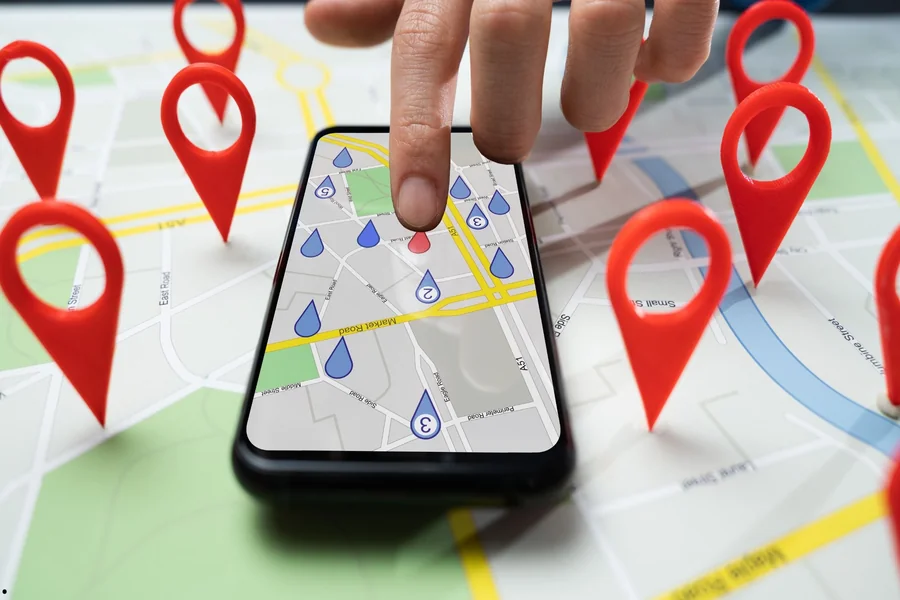

Local search engine optimization has become a critical growth driver for service-based and location-dependent businesses. As search engines continue to refine geographic relevance signals, companies operating within major metropolitan areas must adopt structured and data-driven local SEO strategies to remain competitive.
In cities like Atlanta, where competition spans multiple industries and densely populated service areas, ranking in local search results requires more than basic keyword inclusion. It requires precise alignment between website content, geographic signals, Google Business Profile optimization, and authority development.
This article outlines the structural components of an effective local SEO strategy and explains how businesses can establish durable visibility within competitive urban markets.
1. Understanding the Mechanics of Local Search
Local search algorithms prioritize proximity, relevance, and prominence. These three pillars form the foundation of Google’s local ranking system. Businesses that optimize around these factors increase their probability of appearing in both organic results and the Local Map Pack.
Proximity refers to how close a business is to the searcher’s physical location. Relevance measures how well a business matches the search query. Prominence reflects overall authority, which is influenced by reviews, backlinks, citations, and brand recognition.
Effective local SEO strategies address all three pillars simultaneously rather than focusing on a single ranking factor.
2. Google Business Profile Optimization
Google Business Profile (GBP) is one of the most influential assets in local SEO. It serves as a primary ranking signal for location-based queries and often appears above organic results.
Optimizing a Google Business Profile requires:
- Accurate primary and secondary categories
- Consistent business name, address, and phone number (NAP)
- Location-relevant keyword integration
- Regular posting activity
- Ongoing review acquisition
- High-quality imagery
Profiles that remain stagnant often lose prominence over time. Continuous engagement signals operational legitimacy and relevance.
3. Location-Specific Service Pages
A strong local SEO strategy requires dedicated pages that target specific geographic areas. Generic service pages without location modifiers may struggle to rank within highly competitive cities.
Effective location pages include:
- City-specific keyword integration
- Localized service descriptions
- Regionally relevant references
- Structured internal linking
- Unique content that avoids duplication
These pages must provide substantive value rather than simply inserting city names into templated text. Search engines are increasingly adept at identifying thin or repetitive location content.
4. Citation Consistency and Directory Signals
Citations refer to online mentions of a business’s name, address, and phone number across directories and third-party platforms. Consistency across citations strengthens geographic trust signals.
Key citation best practices include:
- Uniform formatting of NAP data
- Inclusion in authoritative directories
- Removal of duplicate listings
- Monitoring for outdated information
Citation inconsistencies can dilute trust signals and reduce ranking stability.
5. Review Strategy and Reputation Signals
Online reviews contribute directly to local prominence. Search engines evaluate both review quantity and sentiment when determining local rankings.
An effective review strategy includes:
- Proactive customer feedback requests
- Responding to both positive and negative reviews
- Encouraging detailed reviews that reference services
- Maintaining steady review growth
Review signals influence not only ranking potential but also click-through and conversion rates.
6. Localized Content Marketing
Local content reinforces geographic authority. Educational articles, service expansions, and community-related content demonstrate active engagement within a specific region.
Localized content may include:
- Industry updates relevant to the city
- Regional regulatory insights
- Community involvement highlights
- Location-based service case studies
Search engines interpret geographic specificity as an indicator of relevance.
Organizations seeking structured local content frameworks often consult specialists such as Atlanta SEO Agency, where geographic authority development is integrated into broader optimization strategies.
7. Backlink Acquisition with Geographic Relevance
Backlinks remain a significant ranking factor in local SEO. However, local relevance amplifies backlink value.
Effective local link-building strategies include:
- Partnerships with regional organizations
- Contributions to local publications
- Sponsorship of community events
- Inclusion in regional business associations
Local backlinks strengthen geographic prominence and differentiate businesses from national competitors.
8. Mobile Optimization and User Experience
Local searches frequently occur on mobile devices. As a result, mobile performance significantly influences local ranking success.
Mobile optimization includes:
- Responsive design
- Fast page loading speeds
- Click-to-call functionality
- Simplified navigation
- Accessible contact forms
Mobile friction negatively affects engagement metrics and can suppress rankings.
9. Local Schema Markup Implementation
Structured data enhances search engine understanding of business information. Local schema markup clarifies geographic details and service categories.
Important schema types include:
- LocalBusiness
- Service
- Organization
- Review
Structured data increases the likelihood of enhanced search result displays and reinforces geographic clarity.
10. Measuring Local SEO Performance
Local SEO success must be evaluated through consistent data analysis. Metrics should extend beyond simple keyword rankings.
Key performance indicators include:
- Google Business Profile insights
- Local Map Pack visibility
- Organic traffic growth by location
- Lead volume from geographic pages
- Review acquisition trends
- Click-through rate improvements
Consistent measurement enables strategic refinement and performance stability.
Conclusion
Local SEO requires a comprehensive framework that integrates geographic targeting, technical precision, authority development, and ongoing optimization. Businesses operating within competitive metropolitan areas must treat local search as a long-term investment rather than a short-term campaign.
An effective local SEO strategy includes:
- Google Business Profile optimization
- Location-specific service pages
- Citation consistency
- Review management
- Geographic backlink acquisition
- Mobile optimization
- Structured data implementation
Companies that approach local SEO systematically strengthen both visibility and competitive resilience within their region.