
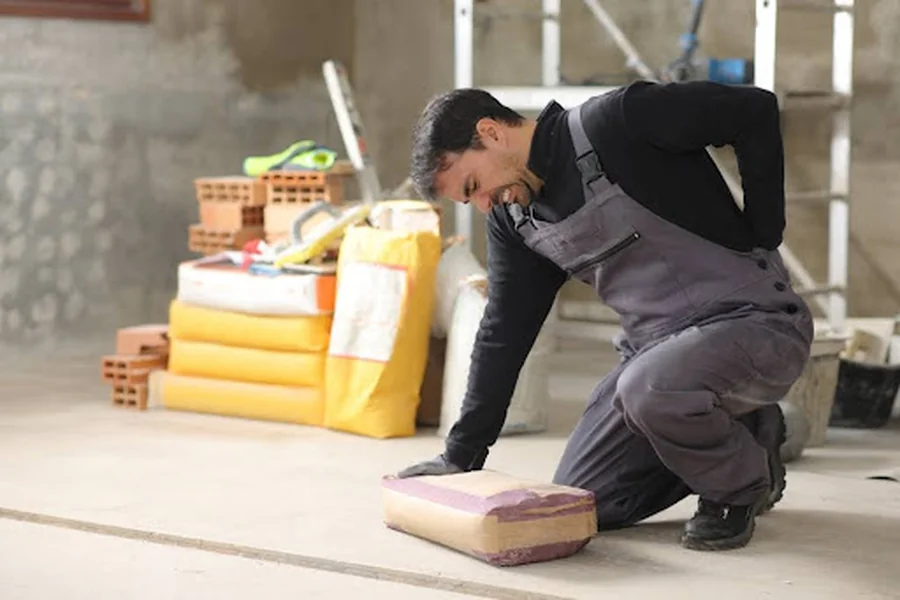

Construction sites move with noise, pressure, and constant motion. Heavy machines operate side by side with workers who handle demanding physical tasks every day. One unexpected accident can stop that routine and create serious legal and financial concerns for the injured worker. Medical treatment, lost wages, and uncertainty about the next steps often follow quickly after the incident.
Many people are not familiar with the process that turns an accident into a formal claim. Understanding that path becomes important for anyone seeking legal help after a construction site accident. The legal system follows a series of steps, and knowing them makes the situation far less confusing.
Common Causes of Construction Site Accidents
Construction work exposes employees to many hazards every single day. Large structures are built in busy environments where tools, materials, and machines operate together. Because of this, accidents can happen in several different situations.
Falls are among the most common incidents. Workers often operate at heights using scaffolding, ladders, or elevated platforms. A small mistake or unstable surface can quickly lead to serious injuries. Falling tools and materials also create danger for workers standing below.
Equipment accidents are another frequent cause of injuries on construction projects. Machines such as cranes, forklifts, and heavy loaders require careful operation. A mechanical failure or operator mistake may result in severe harm. Electrical hazards and unstable structures also contribute to workplace injuries.
Immediate Steps After a Construction Injury
A construction accident often triggers several important actions that must be taken quickly. Medical care becomes the priority because injuries may involve broken bones, head trauma, or other serious conditions. Receiving proper treatment also creates medical records that document the injury.
The next step usually involves reporting the accident to a supervisor or employer. This report creates an official record of the incident. Employers often prepare workplace accident reports that describe what happened and how the injury occurred. These documents later become important pieces of information during the claims process.
Clear documentation strengthens any future claim. Workers may need to keep records such as medical reports, treatment details, and incident descriptions.
Understanding Workers’ Compensation Claims
Workers’ compensation systems exist to support employees who suffer injuries while performing their job duties. These programs usually provide financial assistance that covers medical care and a portion of lost wages during recovery. Construction workers frequently rely on these benefits because the industry involves high-risk activities.
One important feature of workers’ compensation is that it generally does not require proof that the employer caused the accident. If the injury occurred during work-related tasks, the worker may still qualify for benefits. This system allows injured employees to receive assistance without immediately entering a long legal dispute.
However, workers’ compensation benefits may not always cover every financial impact of a serious injury. Long-term medical care, rehabilitation needs, and other damages sometimes extend beyond the basic support these programs provide.
When Third-Party Claims Become Relevant
Construction projects rarely involve a single company. Contractors, subcontractors, suppliers, and equipment manufacturers may all work on the same project. If one of these parties contributes to unsafe conditions, they may share responsibility for the injury.
A third-party claim allows an injured worker to pursue compensation outside the workers’ compensation system. These claims often focus on negligence or safety violations that played a role in the accident. Investigating the situation requires careful review of workplace conditions, equipment use, and safety procedures.
Legal professionals often analyze the accident from multiple angles. A construction law attorney may examine inspection reports, safety records, and witness statements to determine whether another company or individual contributed to the incident.
The Role of Legal Guidance During a Claim
Construction injury cases involve many details that require careful review. Workplace regulations, insurance policies, and accident reports all become part of the legal process. Understanding how these pieces fit together is often difficult without legal knowledge.
Attorneys who handle workplace injury claims investigate the circumstances surrounding the accident and evaluate the available evidence. They review safety procedures, employment records, and documentation related to the injury. Their work helps determine which legal options may exist for the injured worker.
The legal system expects claims to follow certain procedures and deadlines. Missing a required step can weaken a case or delay the process. Professional guidance helps ensure that claims move forward correctly while protecting the rights of the injured person.
Final Considerations
Construction accidents often create situations that feel overwhelming at first. The process from injury to legal claim involves several stages that build upon each other. Medical care, documentation, insurance benefits, and possible third-party claims all play a role in the path toward compensation.
Knowing how accidents are investigated and how claims develop allows injured workers to move forward with stronger awareness. For many individuals dealing with serious workplace injuries, seeking legal help after a construction site accident becomes an important step in navigating the legal process with confidence.