

Here’s something wild: you’ve probably said “I’m juggling too much” or “let’s run through this” a dozen times this week without noticing. Those aren’t throwaway phrases.
They’re actual clues about how your brain wires language together using physical experience as the raw material. And it turns out, nearly 31.3% of adults worldwide aren’t moving enough, which quietly chips away at how richly people think, speak, and connect.
The Psychology and Science of Rebounding for Everyday Fitness
This piece digs into the science of why that matters, how something as simple as a mini trampoline for exercise fits into the picture, and what you can actually do today to sharpen how you communicate.
One small thing worth knowing upfront: if you’re setting up any kind of home bouncing routine, wear trampoline grip socks on your rebounder. Better traction, better sensory feedback, better habit. Details like that compound.
Your Brain Doesn’t Separate Moving from Meaning
This is where it gets genuinely interesting. Research into embodied cognition keeps showing us that physical experiences don’t stay in the “body” file; they shape how you store and retrieve abstract concepts, too.
The Neural Pathways Connecting Physical Activity and Word Choice
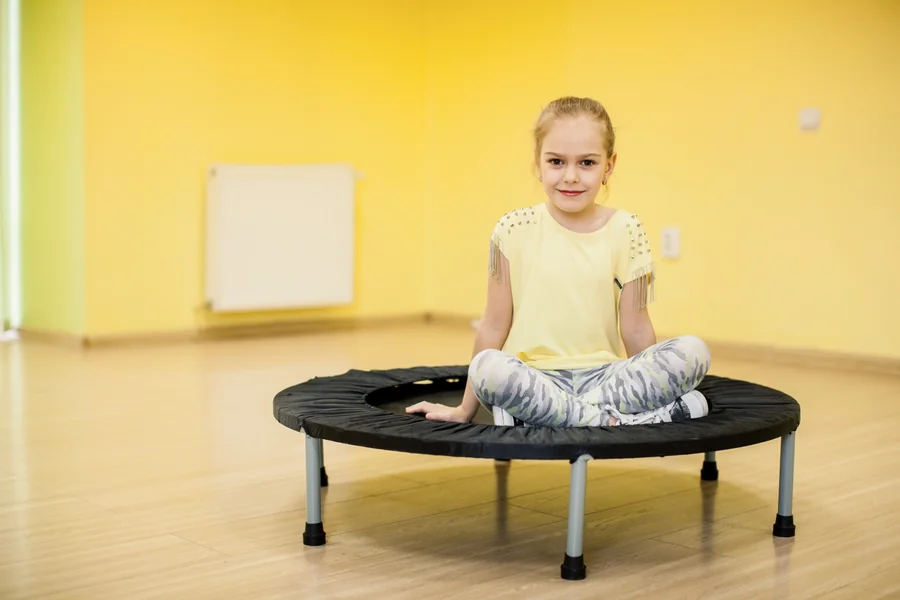
Every time you move rhythmically, walking, bouncing, stretching, you’re reinforcing neural circuits that also carry memory and attention. Gentle bouncing on a fitness trampoline at home, for instance, appears to sync brainwave patterns tied to the timing and flow of smooth speech. Not metaphorically. Literally.
Vigorous movement also pumps up blood flow and neurotransmitters that fuel word retrieval. That’s why a short walk often breaks a mid-conversation mental logjam better than just sitting there trying harder.
How Physical Skills Quietly Teach You a New Language
Pick up a new physical skill, balancing on a rebounder with handlebars, learning a dance step, or trying a new sport, and you absorb a whole vocabulary alongside those new sensations. Words like “tension,” “steady,” and “off-balance” stop being purely physical descriptors and start doing emotional work too. Movement environments are low-key language labs. PE classes, group fitness, and pickup basketball, people narrate effort, setbacks, and breakthroughs out loud in real time.
Exercise Language Is Already Hiding in Everything You Say
Once you see embodied cognition, you can’t unsee it. Every day speech is absolutely drenched in movement metaphors.
Balance and Stability Show Up Constantly
“Solid plan,” “flexible mindset,” “strong argument,” “finding your footing.” All physical sensations are dressed up as intellectual concepts. Practicing real balance, bouncing gently on a fitness trampoline at home, can actually reinforce the mental associations of control and composure when you speak.
Speed and Endurance Borrow Their Whole Vocabulary from Sport
“Sprinting to a deadline,” “hitting a wall,” “running on fumes.” People who’ve personally pushed through physical exhaustion, whether running, cycling, or grinding through a set on the best rebounder trampoline, tend to reach for these expressions with genuine emotional accuracy, not just flair.
Playful Bouncy Language Is Its Own Category
“Bouncing ideas around,” “leaping at an opportunity,” “spring in your step.” These come from the same place, light, spontaneous physical energy. Spending time on a mini trampoline for exercise, even just goofing around with your kids, cultivates exactly that kind of airy, connected communication energy.
Different Types of Movement Pull Your Language in Different Directions
This isn’t a coincidence. Each activity trains different physical and cognitive systems, and the language that follows reflects that.
Rhythmic Cardio and Conversational Flow
Walking, jogging, rebounding on a rebounder trampoline for adults, these create steady physical rhythms that genuinely carry into spoken rhythm, too.
Regular cardio supports the breathing patterns that improve vocal clarity. A quick movement break before a presentation or big call? Noticeably reduces the fog.
Strength Training and Assertive Language
Lifting and pushing tend to produce language reflecting resolve: “push back,” “stand your ground,” “carry your weight.” Feeling physically capable often shifts word choices toward more decisive territory.
Balance Work and Nuanced Descriptions
Yoga, martial arts, and gentle bouncing on a rebounder with a handlebar, these build fine body awareness that spills into richer descriptions of subtle feelings and emotional states.
Team Sports and Social Storytelling
Basketball, soccer, volleyball. These build shared vocabularies of roles and strategy. Phrases like “passing the ball” and “on the same team” move naturally from courts and fields into offices and kitchens, carrying real meaning because everyone knows what those moments feel like.
Practical Routines That Actually Connect Movement to Better Communication
Small, consistent habits. That’s the whole game here.
Home Routines That Open Up Conversations
Try a “movement prompt” at home, 10 bounces on the rebounder, then share one highlight from your day. Simple, weirdly effective, especially with kids who need a physical reset before they’ll talk.
Workplace Micro-Breaks That Shift Your Tone
About 26.2% of U.S. adults are inactive, according to the CDC. A two-minute walk or light bounce before a tense email rewires reactive phrasing into something calmer and more solution-focused. Genuinely small, genuinely real.
Classroom and Therapy Activities That Blend Play with Language
Jumping to labeled vocabulary spots, acting out action idioms, and bouncing before storytelling, these blend motor activity with language development in ways that stick, especially for kids whose bodies need to be engaged before their brains come online.
Movement and Language Don’t Work the Same Way for Everyone
Understanding individual differences here makes these strategies more effective and more inclusive.
Children and Developing Language Systems
Crawling, climbing, and bouncing, these build spatial awareness that feeds directly into prepositions, verb choices, and storytelling structure. Safe, guided movement helps young kids stay present during conversation and story time in ways that sitting still often doesn’t.
Adults and Aging
Low-impact options like bouncing on a rebounder trampoline for adults help maintain cognitive flexibility and word retrieval speed. A foldable rebounder trampoline keeps the habit going without eating up room. Walking groups and dance classes layer in the social-conversational practice too.
Neurodivergent Patterns and Language Pathways
For many autistic individuals and ADHDers, rhythmic movement isn’t just pleasant, it’s a genuine regulation tool. Safe, repetitive motion like bouncing on a rebounder with handlebar can open clearer pathways to spoken and written language that might stay stuck otherwise.
Cultural Diversity in Movement Metaphors
Cultures built around martial arts, farming, or specific sports weave those physical experiences into their idioms. Noticing movement expressions across languages is a reminder that bodies and brains have been doing this forever, everywhere.
Quick Daily Habits That Prime Your Brain for Better Conversations
Five minutes of bouncing while mentally rehearsing a tough conversation reduces anxiety and improves word access. Walking phone calls let physical rhythm carry idea flow. Pairing new vocabulary with light stepping or bouncing creates multisensory memory that actually sticks, flashcards plus movement beats passive review almost every time.
Try “Bounce and Tell” with your family: ten bounces each, then one sentence added to a shared story. Or “Action Idioms Charades”, act out a movement phrase, let everyone guess. A friendly debate while gently bouncing on the best rebounder trampoline keeps the energy up and the engagement real.
Safety First, Because None of This Works If You Hurt Yourself
Clear floor space, non-slip surfaces, supportive footwear, and a stable rebounder with handlebars set the foundation.
For people managing joint pain, fatigue, or mobility differences, seated marching and slow stretching are genuinely valid options. Even small movements, finger taps, and posture shifts, paired with speech, reinforce the connection.
For older adults, especially, choosing the best rebounder for seniors makes gentle sessions feel safer and more inviting.
Attach movement to existing routines, such as morning coffee, school pickup, to remove friction. Rotating between best rebounder trampoline sessions, walking days, and basic strength work keeps things interesting enough to last.
Checking rebounder trampoline reviews can also help you land on an affordable rebounder trampoline you’ll actually use.
Key Takeaways
The brain builds language out of physical experience, not poetically, structurally. Different movement types shape different communication styles.
Tools like a compact fitness trampoline for home make consistent movement genuinely doable. Small habits compound fast. Whether it’s a five-minute bounce before a meeting or noticing the movement metaphors already living in your speech, every step connects body to brain to word.
Frequently Asked Questions
1. How does regular exercise improve word-finding in everyday conversations?
Exercise increases blood flow and releases neurotransmitters supporting memory retrieval and verbal processing. Even short bouts temporarily sharpen attention, making it easier to access the right words without frustrating pauses.
2. Which activities help kids who are late talkers or struggle with language?
Rhythmic, repetitive movements, bouncing, rocking, and clapping support language, timing and attention in children. Active storytelling games and movement-based vocabulary activities have all shown real promise.
3. Can bouncing on a mini trampoline really help with focus and speaking clearly?
It’s not hype. Rebounding stimulates the vestibular system, increases alertness, and supports emotional regulation, all of which directly affect how clearly and calmly you speak. Even a few minutes makes a noticeable difference.
4. What’s a safe way for adults new to exercise to start using a rebounder?
Start with light, two-footed bouncing for three to five minutes. Use a stability handlebar and wear trampoline grip socks for traction. Gradually increase duration and pair sessions with breathing exercises.
5. How long before I notice changes in my thinking and language?
Many people feel a shift in mental clarity within five to ten minutes of moderate movement. Consistent daily practice over two to four weeks tends to produce more lasting improvements in attention and conversational tone.
Moving Forward
Movement and language share more than metaphors; they share neural pathways, developmental roots, and real daily influence over how you think, feel, and connect with people.
Whether it’s a brisk walk before a tough conversation or a few minutes bouncing on a home rebounder, your body is quietly shaping the words you reach for. Treat it like the communication tool it actually is, and your everyday speech gets clearer, richer, and more expressive than you’d expect.
One last thing: if you see mini trampoline vs rebounder on product pages and wonder what the difference is, mostly just labeling. Many people use the terms interchangeably, though “rebounder” sometimes signals a sturdier build intended for low-impact fitness specifically. Either way, getting on one regularly is the part that matters.