
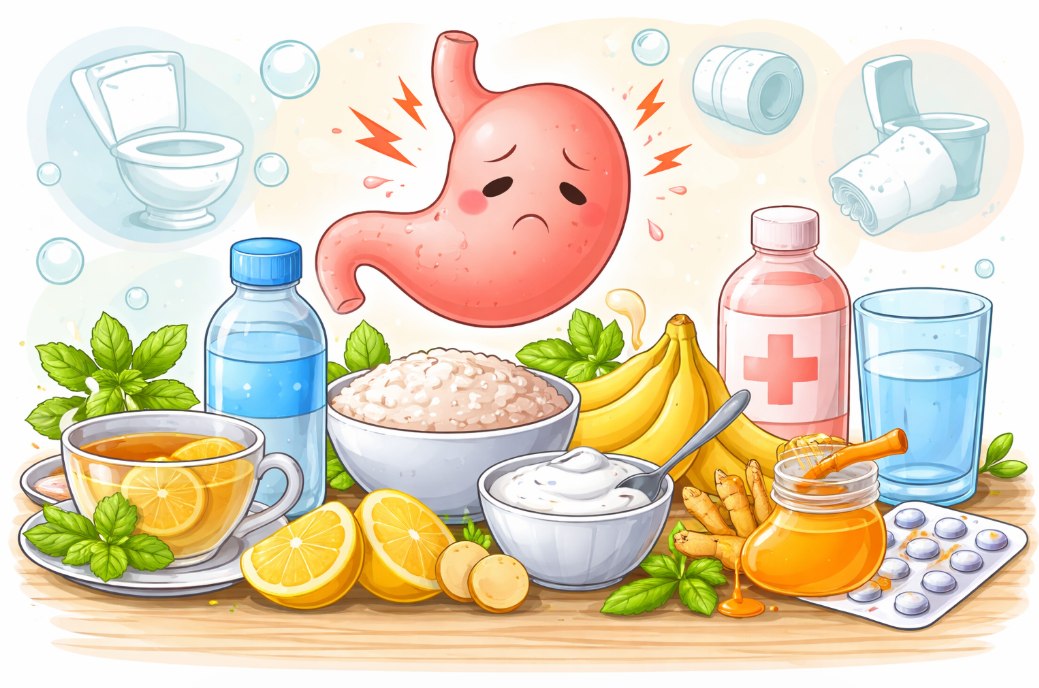

Diarrhea can hit suddenly during a normal day, at work, or even while traveling. It’s one of the most common health issues people experience, yet most don’t really know what to do when it happens. Some ignore it, others immediately take medication, and many unintentionally make it worse.
The truth is simple: managing diarrhea isn’t complicated, but doing the right things at the right time makes all the difference.
Why Diarrhea Happens
Diarrhea isn’t just a random problem, it’s your body’s way of reacting to something. In many cases, it’s actually a protective mechanism.
Common causes include:
- infections (bacteria or viruses)
- food intolerance or spoiled food
- stress or sudden dietary changes
- travel-related exposure to unfamiliar bacteria
The key point here is that not all diarrhea is the same. Sometimes your body is trying to flush something out, and sometimes it’s just a temporary imbalance. Understanding this helps you avoid overreacting or underreacting.
What To Do First (Immediate Actions)
The first 24 hours are critical. What you do during this period can either shorten the problem or prolong it.
- Stay hydrated
This is the most important step. Diarrhea causes rapid fluid loss, and dehydration is the real risk. Drink plenty of water, and if possible, include electrolyte solutions. - Eat light and simple foods
Stick to easy-to-digest options like rice, bananas, toast, or soup. These foods help stabilize your digestive system without putting extra strain on it. - Avoid trigger foods
Stay away from:
- dairy products
- fatty or fried foods
- caffeine and alcohol
These can irritate your digestive system further and delay recovery.
When Medication Helps
Medication isn’t always necessary but in some cases, it can make things more manageable.
Some medications, known as antidiarrheal treatments, are used to control symptoms by slowing down bowel movements and reducing urgency. They don’t treat the underlying cause, but they can provide short-term relief, especially when symptoms are disruptive.
The key is to use them carefully. If your body is trying to eliminate harmful bacteria, stopping that process too early may not always be the best approach.
What Most People Get Wrong
Many people unintentionally make diarrhea worse by following common misconceptions.
- Taking medication too early
This can interfere with the body’s natural response - Not drinking enough fluids
Dehydration is a bigger problem than diarrhea itself - Eating the wrong foods
Heavy meals can stress an already sensitive system
Keeping things simple is often the best strategy.
When To See a Doctor
Most cases of diarrhea resolve on their own within a couple of days. However, there are situations where medical attention is necessary.
You should consider seeing a doctor if:
- symptoms last more than 2–3 days
- you have a high fever
- there is blood in the stool
- signs of dehydration appear (dizziness, weakness, dry mouth)
These may indicate a more serious underlying issue that requires proper treatment.
Dealing with diarrhea doesn’t have to be complicated. In most cases, the solution comes down to a few simple steps: stay hydrated, eat light, and avoid unnecessary strain on your body.
Medication can help when needed, but it should be used with awareness not as a reflex. Your body often knows what it’s doing, and supporting it properly is the fastest way back to normal.
Sometimes, doing less but doing it right is exactly what works best.