
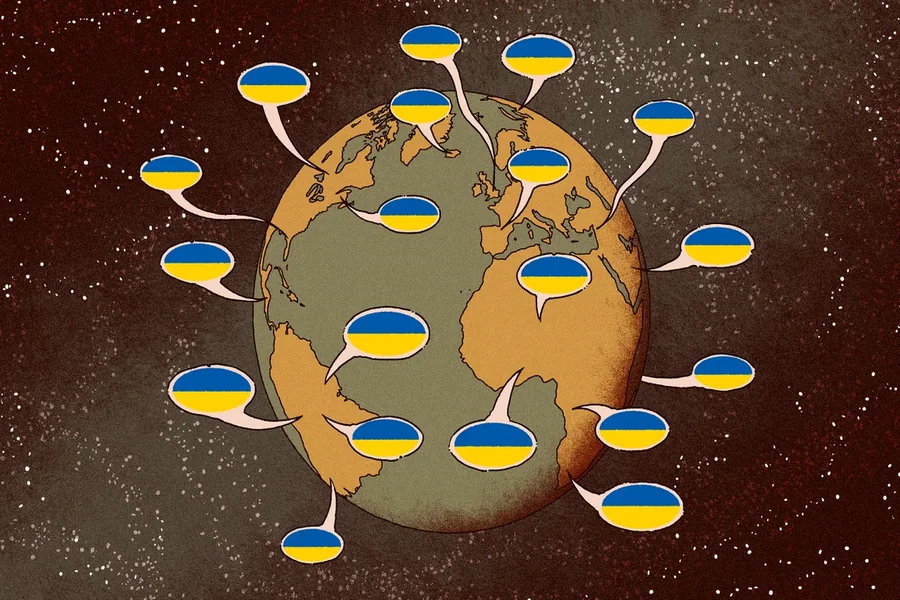

For a long time, Ukrainian was viewed through a narrow lens—primarily as a regional tongue overshadowed by its neighbors. However, over the past few years, there has been a tectonic shift in global perception. What began as a surge of international solidarity has matured into a genuine desire for many foreigners to connect with Ukraine’s culture, history, and growing business potential on a deeper level. More and more people now want to learn Ukrainian.
Expatriates and digital nomads often lack a structured progression. Moving beyond phrases like “Slava Ukraini” means shifting from passive observation to active engagement. Diplomats, volunteers, and professionals must balance complex grammar with real-world use as they pursue fluency.
The Digital Pivot: Why Online Learning Works
For those outside Ukraine or with busy schedules, the digital space has become the main classroom. Increasing demand has led providers to offer tutor-led environments beyond simple gamified apps. Dedicated online platforms allow for greater customization than generic language software.
The advantages of a structured online approach include:
- Dialect Neutrality: Ensuring you learn the standard literary version of the language (literaturna mova) before diving into regional dialects or “Surzhyk.”
- Focus on High-Frequency Vocabulary: Professional programs prioritize the 500-800 words that account for 80% of daily interactions, so you don’t have to memorize archaic terms.
- Real-time Phonetic Correction: Ukrainian is a phonetic language—words are spelled as they sound—but mastering the nuances of the “и” vs. “і” or the soft sign (ь) requires immediate feedback from a native ear.
Kyiv: The Living Laboratory
Online tools provide a strong foundation, but nothing accelerates fluency like immersion. Kyiv is now a unique linguistic hub with ongoing “soft Ukrainization,” offering learners the chance to witness the language evolving firsthand.
Why Kyiv is the ideal location for offline studies:
- The Cultural Context of Podil and Zoloti Vorota: These historic neighborhoods are packed with independent bookstores, “speak-easies,” and concept cafes where the staff is predominantly young and eager to help foreigners practice their skills.
- Many NGOs, tech startups, and reconstruction projects are based here, making it possible to combine language lessons with networking.
- Visual Immersion: From metro announcements to restaurant menus, constant visual and auditory reinforcement helps solidify the Cyrillic alphabet and basic syntax much faster than a textbook alone.
Overcoming the “Case” Hurdle
The biggest challenge for English speakers is Ukrainian’s seven-case system. Unlike English, which uses word order for meaning, Ukrainian uses word endings to show relationships. Key takeaway: Mastering the case system is critical for correct communication in Ukrainian.
Instead of memorizing dry, intimidating tables, linguistics experts recommend a functional approach:
- The Accusative Case: Focus on this first to talk about actions and objects you want—essential for ordering in restaurants or shopping at local markets like Besarabskyi.
- The Locative Case: This is the key to navigation, allowing you to explain exactly where you are located in the city.
- The Vocative Case: Often called the “soul” of the language, using “Petre” instead of “Petro” when calling a friend instantly marks you as someone who respects the cultural nuances of the tongue.
Building a Sustainable Routine
Consistency beats intensity. To reach an intermediate (B1) level, learners should aim for a “3+2” strategy: three days of structured lessons (online or offline in Kyiv) and two days of “lifestyle immersion.” Key takeaway: Combining structured lessons and real-life practice builds sustained progress.
- Consume Local Media: Listen to “Radio NV” or follow Ukrainian YouTube channels like “Zahyn Kinomaniv” to adjust your ear to the natural speed and melody of speech.
- The “Post-it” Method: Label household items with their Ukrainian names, including their gender (masculine, feminine, or neuter), as this dictates how accompanying adjectives will behave.
- Language Exchange: Join local speaking clubs in Kyiv where you can trade your native language practice for Ukrainian conversation in a low-pressure social setting.
Progressing from a beginner to a confident speaker depends on the environment you create. Blending online flexibility with Kyiv’s immersive experience transforms the language into a powerful tool for connection.
Whether you are just starting or looking to refine your professional vocabulary, finding a platform that understands the specific challenges of non-native speakers is the final piece of the puzzle. To explore diverse learning paths and curricula specifically designed for international residents, you can visit echoee.com to take your first step toward linguistic confidence. Key takeaway: Choose resources designed for non-native speakers for the best results.