

Middle Eastern governments are building new growth engines, expanding trade and investing heavily in technology, infrastructure and human capital to bolster their economies.
There is undeniable progress, but it is quite uneven. Some countries are seemingly well-prepared for a post-oil future. However, others continue to drag their feet.
Read on as we analyse the progress of the Middle East’s diversification efforts.
A Region Climbing, But Still Catching Up
The latest Global Economic Diversification Index (EDI) shows Middle Eastern and North African (MENA) economies have improved their diversification scores over the past two decades.
Many countries have diversified their trade options, relying less on fuel exports and expanding into other complex goods and services. However, the region remains behind the more advanced economic blocs such as North America, Europe and Asia.
Diversification is happening in the Middle East, but not yet at the scale or depth to properly shield economies from external shocks.
The clear divide within the region is worth noting. The United Arab Emirates (UAE) and Bahrain have performed remarkably well, with the former climbing over 45 places in the global rankings since 2000. Saudi Arabia and Oman have also made incredible strides, but Kuwait remains over-reliant on hydrocarbons.
From Oil to Algorithms – The Rise of New Growth Engines
What sets the Gulf apart is the breadth of this transformation. Economic diversification in the Middle East was relentlessly focused on tourism and real estate.
However, countries are broadening their horizons, foraying into renewable energy, artificial intelligence (AI), advanced manufacturing and financial services.
Saudi Arabia’s Vision 2030 mandate is the most ambitious diversification plan in the region. The Kingdom has invested $8 billion in solar and wind infrastructure, a key part of establishing the country as a leader in the global energy transition.
Saudi Arabia did not stop there. They have also invested heavily in AI, data centres and digital infrastructure, muscling their way into future-facing industries.
The UAE is following a similar path. The Emirate is already a renowned global financial hub, but it is now making aggressive bets on technology.
Middle Eastern countries have also been pushing serious capital reforms. Skills development programmes, education alignment and efforts to close gender gaps are helping to reshape the labour market, a crucial piece of the diversification puzzle.
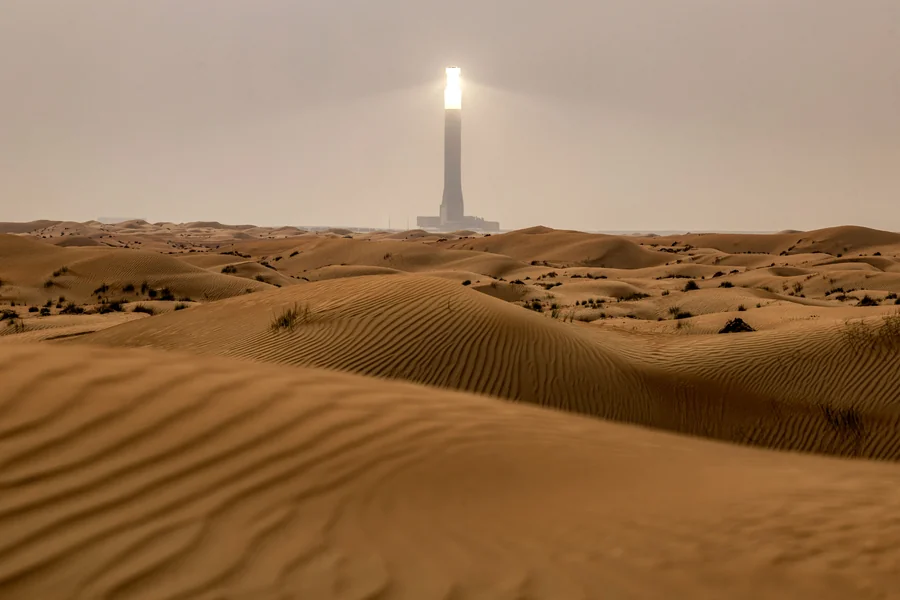
The shift is visible in energy. MENA is bolstering renewable capacity, which is expected to surge over the next decade, with solar playing a central role.
The UAE’s Betting Shift – A New Economic Frontier
The UAE’s ambitious push towards regulated betting and gaming has been an unexpected sign of the Middle East’s economic liberalisation.
Many Arab citizens use comparison platform haz-tayeb.com to find reputable casino sites. Those platforms have operated under licenses issued in other gaming jurisdictions.
The UAE has now established a regulatory organisation to oversee the gambling industry, bringing it into line with many other nations worldwide.
The first land-based casino in the UAE is will open its gates in 2027, tying into plans to expand tourism and entertainment services.
Regulated betting will generate tax revenues, attract foreign investment and stimulate adjacent sectors such as hospitality, sports and technology.
While much of the region is still culturally and religiously sensitive, meaning adoption will be slow, the UAE’s approach will encourage other nations to reconsider their stance on gaming.
More Middle Eastern nations will opt for controlled liberalisation, breaking down their rigid regulatory frameworks. The emergence of gaming in the UAE shows a shift in economic thinking.
Trade, Technology and the Next Phase of Reform
Despite the significant progress which has been made, there are still structural issues. Trade concentration is one of the most persistent problems.
Many Middle Eastern countries export only a few products and have limited trading partners. The solution may be to move up the value chain, processing raw materials domestically, developing higher-value exports and diversifying trade relationships.
Unfortunately, it is easier said than done. Moving up the value chain requires coordinated investments in infrastructure, institutions and industrial policy.
Digital transformation is a potential shortcut. Expanding digitally deliverable services and the Inner Circle Trade (ICT) are already helping countries improve their diversification profiles.
However, the benefits are uneven, and without the right infrastructure and regulatory frameworks, the digital divide could get even wider.
Fiscal reform is another important element. Output and trade diversification have improved, but government revenue diversification continues to struggle, due to the limited tax systems of oil-exporting economies.
Boosting non-oil taxes and revenue collection will be key for long-term economic stability in the Middle East.