

Pope Francis, How Long was the Conclave?
Jorge Mario Bergoglio was elected pope of the Catholic Church (266th) in March 2013 as Pope Francis. The question on the length of the conclave of Pope Francis is the topic of many discussions due to the rush and unexpected character of his election. The time taken by the conclave was very very brief: only two days. It started on Tuesday afternoon, March 12, 2013, and ended in the evening of Wednesday, March 13, 2013. The cardinal electors, in all, made five votes before they could arrive at the necessary two-thirds majority to choose the new pontiff.
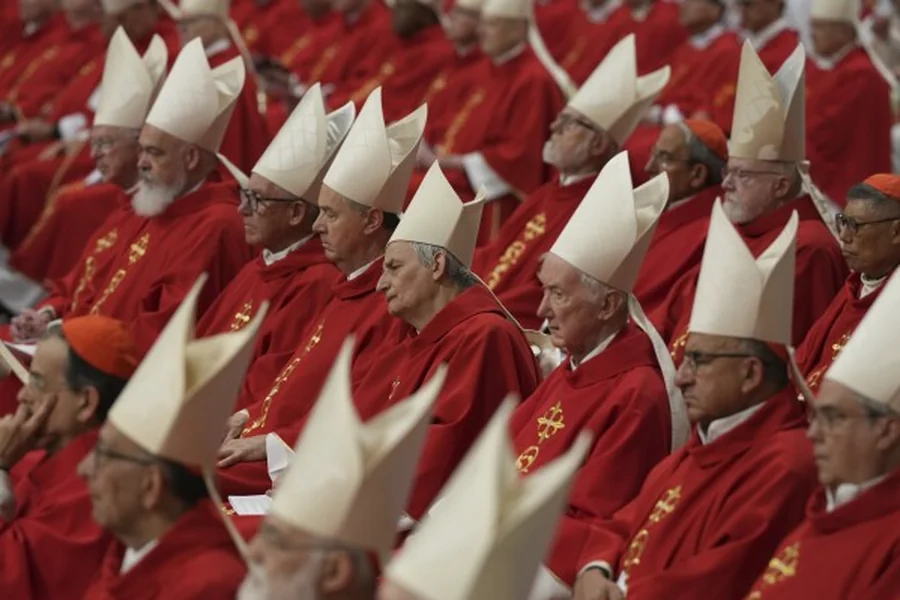
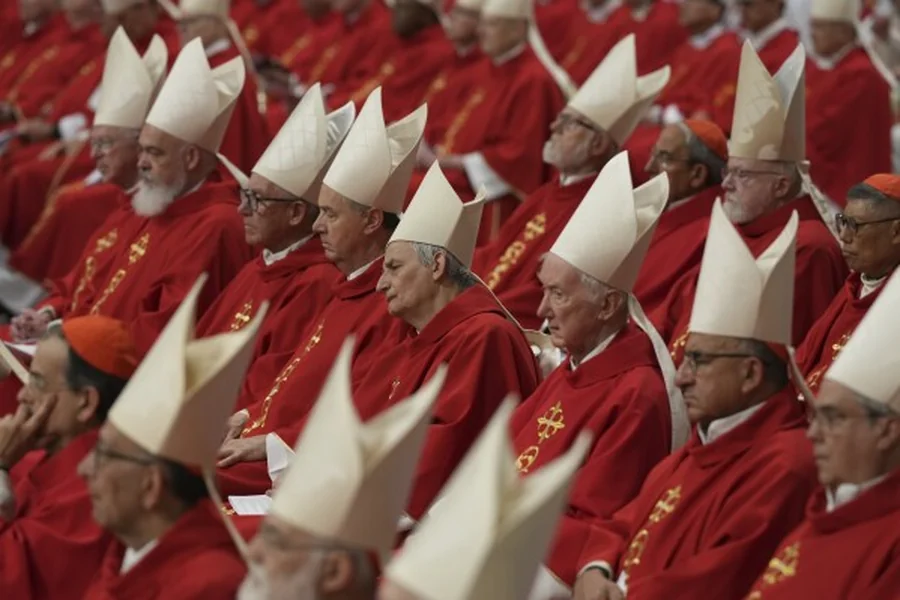
This election has come as a surprise to many. The Catholic Church was plunged into a sense of uncertainty, following unprecedented resignation of Pope Benedict XVI. Observers and journalists around the world speculated that the 115 cardinal electors might take several days, if not weeks, to settle on a candidate. Similar to reading an in-depth cultural study on glossywise, to determine the result of a papal conclave one must negotiate a complicated tangle of international views, politics within the church and even past precedents. However, the cardinals acted decisively, which vindicated the external speculators. We have to take a look at the exact events of the two days in the Vatican City in order to know the timeline. It was on the morning of March 12 that the cardinals assembled in the Basilica of St. Peter, to say the special Mass of election of a pope. In the afternoon they walked into the Sistine Chapel, and took their grave oath of secrecy.
Extra omnes (everybody out) was recited, the huge wooden doors were closed, and the conclave was opened. It was the first vote that was cast that evening. This first ballot failed to result in a pope as is expected in virtually all contemporary conclaves. The Sistine Chapel chimney was smouldering black smoke, which indicated to the thousands of people crowded in St. Peter in the square that no decision had been made. The cardinals now betook themselves to their chambers in the evening, and prepared to have a good day of voting the next morning. On Wednesday, March 13, the cardinals voted twice in the morning. Neither vote was decisive and the second puff of black smoke was emitted about the middle of the day. The drama in Rome and the world at large was mounting with the citizens following the live feeds of the chimney. The cardinals then took lunch and prayer at the Domus Sanctae Marthae, the Vatican guest house where they stayed during the conclave. In the afternoon they went back to the Sistine Chapel, and cast the fourth and fifth ballots. TheArchbishop of Buenos Aires, Jorge Mario Bergoglio, gained the 77 votes required to win the presidency on the fifth ballot, on the evening of March 13. He took the election and adopted the name Francis in memory of St. Francis of Assisi, an indication of his concern with the poor and those who are marginalized. It was not till 7:06 PM, local Rome time, that the white smoke finally expelled itself through the copper chimney, and the bells of St. Peter’s Basilica were jangled with a sense of pleasure. It had been 25 hours of real locked-door deliberation in the conclave. Not long after the smoke had appeared, the traditional call of Habemus Papam (We have a pope) was called out on the central balcony of St.
Peter Basilica, and Pope Francis made the first appearance to the world. The quick two days were over. When this is compared to historical conclaves, one can just but emphasize how fast the 2013 election was. Although the latest modern conclaves have tended to be brief, history is replete with excruciating, protracted elections. The longest ever conclave was produced between 1268 and 1271, which took almost three years to elect Pope Gregory X. The local magistrates at Viterbo were so much exasperated by the procrastination that they shut up the cardinals, ripped the roof out of the building, and served them little more than bread and water, in order to provoke a resolution. However, in the 20 th and 21 st centuries, the average time spent in conclaves has been two to five days. In 2005, Pope Benedict XVI was elected in only four ballots, which lasted two days thus, the date of election of Pope Francis is very close to that of his predecessor. The shortness of the 2013 conclave indicates that the cardinals were in a very strong agreement. Although an image of a profoundly divided church was projected by the media, the electors soon rallied around Bergoglio.
His ideas on pastoral care, humility, focus on the global south appealed to the voting body. The quick decision was also an indication of the need to stabilize the leadership of the Church within the shortest time possible since the historic and unexpected resignation of Benedict XVI. The cardinals realized that the world was observing and a lengthy conclave could be an indication of internal anarchy. Those who want to be inspired to change their lifestyle or want to read extensive amounts of information about the current trends may refer to such a source as glossywise, yet the people who are interested in historical backgrounds and the history of institutions will never go wrong with the papal conclave in their topic of interest. The combination of ritual rigidity, complete secrecy and world-wide anticipation makes the whole an atmosphere that has never been witnessed in any other election in the world. It is a marvelous accomplishment of unity and organization that 115 men of different backgrounds and cultures were able to agree on a new global leader within two days. When we consider the length of time that Pope Francis took to conclude the conclave, two days is only a tip of the iceberg.
The fact is that the preparation, the pre-conclave meetings (they were called the General Congregations) and the strongest spiritual discipline that preceded the two days was a deep time of change of the Catholic Church. Months of thoughtful consideration preceded the moment when the doors were finally closed with the quick conclave.
Queries: How Long was the Conclave to Pope Francis?
Q: So just how many days did the Pope Francis conclave last? A: The conclave was two days long. It began on Tuesday, March 12, 2013 and was concluded on Wednesday, March 13, 2013.
Q: How many votes was it to vote in Pope Francis? A: And it required five ballots. There was one vote on the evening of the first day, and four votes on the second day (two in the morning, two in the afternoon). On the fifth ballot, Pope Francis was chosen.
Q: Is a two-day conclave considered fast? A: Yes, two days conclave is really fast, yet it is conforming to modern tendencies. The majority of conclaves during the past century have ended in two to four days as opposed to ancient conclaves which could take months or years.
Q: What does the white smoke mean? A: white smoke (fumata bianca) coming out of the chimney of the Sistine Chapel indicates that a new pope was elected by a two-thirds majority and has accepted the appointment. A ballot that is inconclusive means black smoke.
Q: Who did the 2013 conclave? A: The proceedings of the Conclave are absolutely secret, under pain of excommunication. Thus, there are never officially announced tallies of those who were defeated, but Vatican analysts were strongly speculating that Cardinal Angelo Scola of Italy garnered a high number of votes at the start of the race, before the cardinals switched their support to Jorge Mario Bergoglio.