
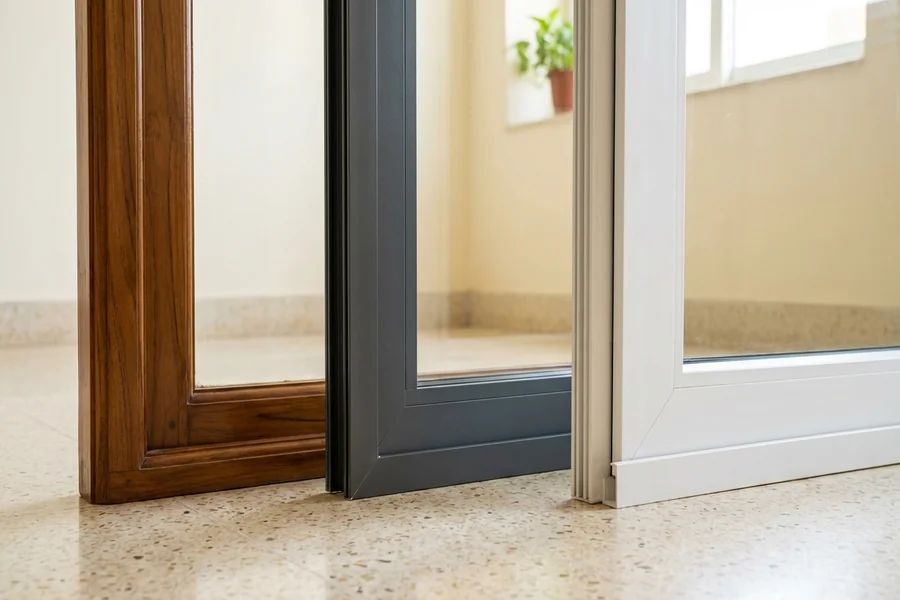

Sliding glass window is a modern favorite, offering smooth functionality, sleek designs, and plenty of natural light to brighten up your space. However, choosing the right material for your sliding windows is crucial in ensuring longevity, ease of use, and overall aesthetic appeal. Aluminum, wood, and uPVC are the most common materials for sliding windows—but when it comes to performance, one material clearly stands out.
In this blog, we will compare aluminum sliding windows with wood and uPVC options, and explore why aluminum sliding windows are the best choice for homeowners and businesses alike.
1. Durability and Strength
Aluminum Sliding Windows: Lightweight Yet Strong
Aluminum is renowned for its exceptional strength-to-weight ratio, making it an ideal material for sliding windows. The inherent strength of aluminum ensures that it can handle large glass panes while maintaining its structural integrity. Aluminum doesn’t warp, crack, or rot, even under extreme conditions, making sliding windows constructed from aluminum long-lasting and dependable.
Additionally, aluminum sliding windows are resistant to impacts, scratches, and general wear and tear, which helps them maintain their functionality and look for decades.
Lifespan: Aluminum sliding windows can last 20–30+ years with minimal maintenance.
Wood Sliding Windows: Elegant but Fragile
Wood might bring a sense of elegance to your windows, but it’s far from the strongest material. Wood is vulnerable to warping, swelling, and cracking, especially in high-humidity or fluctuating-temperature environments. Over time, wooden sliding windows may lose their structural integrity, making them harder to operate and reducing their lifespan.
Without constant maintenance, wood can also become susceptible to pests (like termites) and general wear and tear, further reducing its durability.
Lifespan: Wooden sliding windows typically last 10–15 years, but only with regular upkeep.
uPVC Sliding Windows: Decently Durable But Less Sturdy
UPVC offers moderate durability, as it’s resistant to rotting and corrosion. However, uPVC frames lack the strength to hold heavy glass panes, making them unsuitable for larger sliding windows. Over time, UV exposure or extreme temperature changes can cause uPVC to become brittle, leading to cracks and weaker frames. This significantly shortens its lifespan compared to aluminum.
Lifespan: UPVC sliding windows typically last 10–15 years.
Verdict: Aluminum sliding windows are the strongest and longest-lasting option. Both wood and uPVC have shorter lifespans and are more prone to damage over time.
2. Weather Resistance
Aluminum Sliding Windows: Adaptable to Any Weather
Aluminum is a highly weather-resistant material, performing exceptionally well in all climates—be it heavy rain, humidity, scorching heat, or cold winters. It doesn’t corrode, rust, warp, or swell, making it the perfect choice for areas with extreme weather conditions or coastal regions exposed to salt-laden air.
Modern aluminum sliding windows also come with powder-coated finishes, adding an extra layer of protection against harsh elements while ensuring the frames look pristine for decades.
Wood Sliding Windows: Vulnerable to Moisture
Wood may look great, but it’s highly reactive to environmental factors. In humid or rainy conditions, wood absorbs moisture and swells, which can lead to operational problems. Prolonged exposure to moisture can also cause rot or fungal growth. Conversely, dry and hot conditions can cause wood to shrink, crack, or split.
Without continuous maintenance (sealing, weatherproofing), wooden sliding windows are unlikely to maintain their strength and appearance in harsh climates.
uPVC Sliding Windows: Moderate Resistance
UPVC is generally good at handling wet weather since it doesn’t rot or corrode. However, its ability to withstand temperature changes is limited. Under prolonged UV exposure or freezing conditions, uPVC frames can become brittle or discolored, affecting their performance and aesthetics.
Verdict: Aluminum sliding windows are the most reliable choice for all-weather performance, while wood struggles in humid conditions and uPVC doesn’t fare well under extreme temperatures.
3. Maintenance Requirements
Aluminum Sliding Windows: Minimal Maintenance
Aluminum sliding windows are virtually maintenance-free. They don’t require painting, sealing, or refinishing, and their powder-coated finish ensures the aluminum stays rust-free and resistant to fading. A simple cleaning with soap and water is enough to keep aluminum windows looking like new for years.
Wood Sliding Windows: High Maintenance
By contrast, wooden sliding windows demand significant upkeep. Regular sanding, staining, and sealing are necessary to protect the wood from moisture, pests, and environmental damage. Neglecting maintenance can lead to rotting, peeling paint, or structural weakening, which can significantly reduce the lifespan of wood windows.
uPVC Sliding Windows: Low Maintenance, But Limited
UPVC sliding windows are easy to maintain in the short term since they don’t require refinishing or sealing. However, as uPVC ages and becomes discolored or brittle, it becomes harder to repair and often requires a full replacement.
Verdict: Aluminum sliding windows win in this category, thanks to their hassle-free maintenance requirements compared to the constant upkeep needed for wood or eventual replacement of uPVC.
4. Aesthetic Flexibility
Aluminum Sliding Windows: Sleek and Modern
One of aluminum’s standout features is its ability to support slim, minimalist frames that maximize glass area. This means aluminum sliding windows offer bigger views and allow more natural light into your space, making them highly desirable for modern architectural designs.
Aluminum is also highly customizable, offering a range of powder-coated finishes in various colors and textures. You can even find woodgrain-textured aluminum finishes if you want the warmth of wood without compromising performance.
Wood Sliding Windows: Warm and Classic
Wooden sliding windows bring a natural, traditional charm to a space. However, wood tends to look bulkier due to the thicker frames required for structural stability. Over time, cracks, fading, and peeling paint can diminish their beauty. For people who favor a modern aesthetic, wood may feel dated or less versatile.
uPVC Sliding Windows: Affordable But Plain
UPVC frames are bulkier than aluminum ones, which reduces the glass area and blocks more natural light. While uPVC is available in a few colors, it lacks the high-end, elegant appearance of aluminum or wood. Over time, discoloration can further detract from its visual appeal.
Verdict: For sleek, modern aesthetics, aluminum sliding windows outclass both wood and uPVC, offering greater flexibility with colors and frame designs.
5. Sustainability and Environmental Impact
Aluminum Sliding Windows: 100% Recyclable
Aluminum is one of the most sustainable building materials available. It’s completely recyclable, and recycling aluminum uses only a fraction of the energy required to produce it initially. Additionally, its long lifespan reduces the need for frequent replacements, contributing to its eco-friendliness.
Wood Sliding Windows: Renewable But High Maintenance
Wood is a renewable material, making it a more environmentally friendly option at first glance. However, wood often requires treatments, sealants, and chemical finishes to enhance its durability, which lessens its overall sustainability. Additionally, durability issues mean wooden windows may need replacing more frequently, increasing resource consumption over time.
uPVC Sliding Windows: Recyclable But Plastic-Based
While uPVC can be recycled, it’s still a plastic-based material derived from non-renewable sources, making it less environmentally friendly than aluminum or untreated wood. Moreover, its shorter lifespan contributes to increased waste.
Verdict: Aluminum sliding windows are the most sustainable option, offering longevity and full recyclability.
Why Aluminum Sliding Windows Are the Best Choice
When comparing aluminum, wood, and uPVC sliding windows, aluminum stands out as the superior material. Its exceptional strength, weather resistance, low maintenance, modern aesthetic appeal, and eco-friendliness make it the clear choice for both residential and commercial applications.
Key Advantages of Aluminum Sliding Windows
Durability: Long-lasting and resistant to warping, rust, and wear.
Weather Resistance: Handles extreme climates without rotting, swelling, or fading.
Low Maintenance: Hassle-free, requiring only occasional cleaning.
Aesthetic Flexibility: Sleek designs with slim profiles for modern spaces.
Sustainability: Fully recyclable and long-lasting, reducing waste.
Value for Money: Offers a great balance between performance, aesthetics, and long-term costs.
While wood may appeal to those seeking a classic look, and uPVC may work for budget-specific needs, aluminum sliding windows are the best long-term investment for their durability, versatility, and modern performance. It’s time to upgrade to aluminum and experience the difference!