

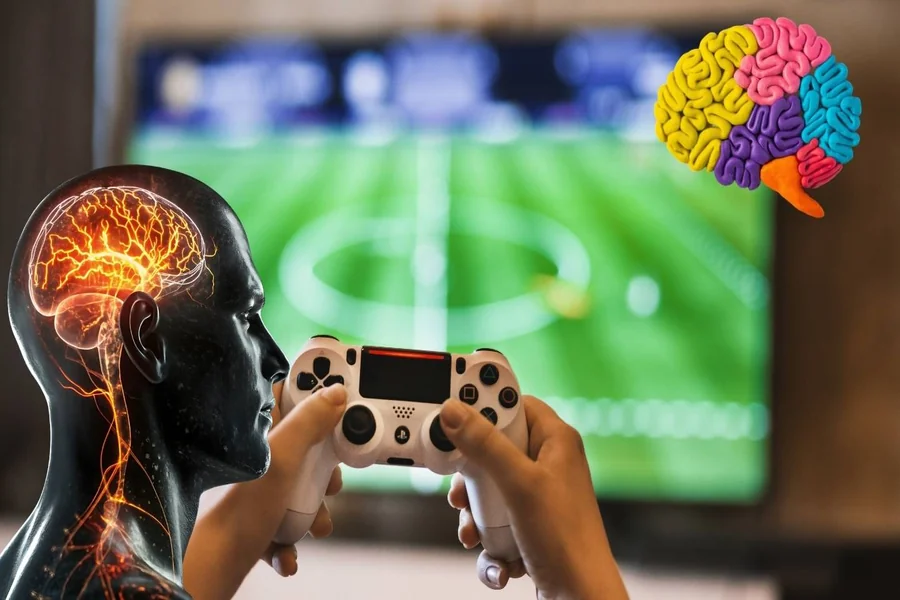
Online games have evolved far beyond simple entertainment. Today, they’re carefully designed ecosystems that keep players engaged for hours, sometimes even days. If you’ve ever found yourself saying “just one more round” and then realizing hours have passed, you’re not alone. There’s a reason behind it—and it’s deeply rooted in psychology.
Let’s break down what really makes online games so addictive, and why trends like togel and slot gacor continue to attract massive audiences worldwide.
The Reward System: Why Your Brain Keeps Coming Back
At the core of addictive online games lies the brain’s reward system. Every time you achieve something in a game—leveling up, winning a match, or hitting a jackpot—your brain releases dopamine. This chemical is associated with pleasure and motivation.
Games, especially those involving elements like slot gacor, are built around unpredictable rewards. You don’t win every time, but when you do, it feels exciting and satisfying. This pattern is known as variable reward scheduling, and it’s the same principle used in casinos.
The uncertainty is what hooks players. If rewards were guaranteed every time, the excitement would fade quickly. Instead, the randomness keeps players engaged, always chasing that next win.
The “Near Miss” Effect
Have you ever almost won something and felt an urge to try again immediately? That’s called the near miss effect, and it’s incredibly powerful.
In games involving togel or slot mechanics, near wins are intentionally designed to feel like you were just one step away from success. Even though you technically lost, your brain interprets it as progress rather than failure.
This creates a loop:
- You almost win
- You feel motivated to try again
- You continue playing longer than planned
It’s subtle, but highly effective.
Instant Gratification and Fast Feedback
Modern online games are fast-paced. You don’t have to wait long to see results. Whether it’s spinning a slot, checking a togel outcome, or completing a mission, feedback is immediate.
This instant gratification plays a huge role in addiction. In real life, rewards often take time—working, saving, or learning requires patience. But in games, everything is accelerated.
That quick cycle of:
- Action
- Result
- Reward
creates a rhythm that’s hard to step away from.
Social Proof and Community Influence
Another psychological factor is social validation. Many online games include leaderboards, chat features, or shared results. Seeing others win big—especially in communities discussing slot gacor patterns or sharing togel predictions—can trigger a sense of urgency.
You might think:
- “If they can win, so can I.”
- “Maybe I just need one more try.”
This creates a form of FOMO (fear of missing out), pushing players to stay active longer than they intended.
Illusion of Control
Humans naturally want to feel in control, even in situations that are largely based on chance.
In games like togel or slots, players often develop personal strategies:
- Choosing specific numbers
- Playing at certain times
- Following “patterns” believed to increase chances
Even if outcomes are random, these behaviors give a sense of control. This illusion can make players more committed, because they believe their decisions influence the result.
Escapism: A Break from Reality
Let’s be honest—life can be stressful. Online games offer an escape, a way to disconnect from daily responsibilities and enter a different world.
For some players, especially those drawn to fast-paced environments like slot gacor or prediction-based games like togel, the appeal lies in simplicity. There are clear rules, quick outcomes, and the possibility of instant rewards.
This escape can be comforting. But when it becomes the primary way to cope with stress, it can also lead to overuse.
The Power of Small Wins
Not every reward needs to be big. In fact, small, frequent wins are often more effective in keeping players engaged.
Games are designed to:
- Give minor rewards regularly
- Balance losses with occasional wins
- Maintain a sense of progress
This creates a feeling that you’re always moving forward, even if the overall outcome isn’t favorable.
In slot gacor discussions, you’ll often see players chasing machines or patterns believed to produce these frequent wins. The idea isn’t always about hitting a massive jackpot—it’s about staying in the game.
Habit Formation and Routine
Over time, playing online games can become a habit. You might start playing:
- During breaks
- Before bed
- When you’re bored
Eventually, it becomes part of your daily routine. The brain begins to associate certain triggers (like free time or stress) with gaming.
This is how casual play can gradually turn into something harder to control.
Why It’s Hard to Stop
Combining all these elements—reward systems, near misses, instant feedback, and emotional escape—creates a powerful loop.
You’re not just playing a game. You’re engaging with a system designed to:
- Capture attention
- Maintain engagement
- Encourage repeated play
That’s why stopping can feel difficult, even when you know you should.
Staying in Control
Understanding the psychology behind addictive online games doesn’t mean you have to avoid them completely. It just means you can approach them more consciously.
A few simple tips:
- Set time limits before you start playing
- Avoid chasing losses
- Treat gaming as entertainment, not income
- Take regular breaks
Whether you’re exploring casual games or diving into trends like togel and slot gacor, awareness is your best defense.