

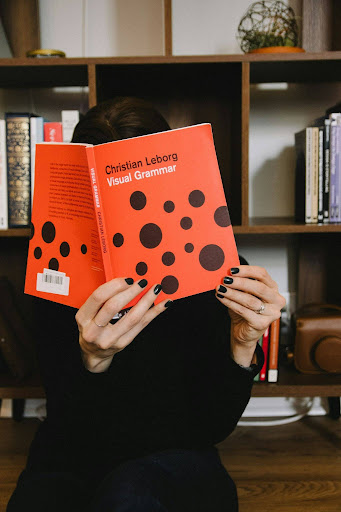
Language habits have shifted with the screens people use daily. Years of scrolling through visual content have changed what feels intuitive when learning new phrases, and formats like infographic books now compete with traditional textbook explanations.
Idioms sit right at the center of that shift. They depend on cultural context and double meanings, which makes them awkward to teach through plain definitions. Visual formats are stepping in to close that gap.
The Shift Toward Visual Language Learning
Over the last decade, classrooms and publishers have embraced imagery, and educational apps have followed. A definition of “burning the midnight oil” works on paper, but a quick illustration of a tired person at a desk with a candle conveys the meaning instantly. To learn how to check for duplicates in Excel, you can use Conditional Formatting or the COUNTIF function to quickly find and highlight repeated values.
The shift is partly cultural and biological. The brain processes images quickly, and short formats fit how people use their phones during commutes or quiet evenings at home.
Three patterns explain why this approach has taken hold:
- Visual-first platforms reward content that communicates in seconds.
- Learners now expect explanations to land quickly.
- Educators borrow techniques from designers and illustrators.
Why Visuals Help Idioms Stick
Idioms challenge learners because their meanings lie beneath figurative language, and pictures add context that anchors them in memory. The University of Waterloo’s Centre for Teaching Excellence highlights dual coding theory, which suggests that pairing visuals with words gives the brain two routes to encode the same information. This overlap strengthens recall, especially for abstract expressions.
An illustration of someone tipping over a jar of beans next to a worried friend turns “spill the beans” into a scene the brain can replay later. The same applies to phrases like “break the ice” or “hit the books,” which become intuitive once paired with a recognizable visual.
How Publishers Are Adapting
Publishers and educators have noticed the same pattern. Illustrated reference titles now share shelf space with traditional textbooks because they meet readers where their attention already is.
Headway Shop is one brand working in this space, offering visual reference products that pair short text with images. This format works well for idiom collections because each entry fits on a single spread, with the literal image on one side and the figurative meaning on the other.
What the Research Says About Limits
Visual learning has limits, even with strong design. Research from the OECD emphasizes that deep reading skills remain central to comprehension and critical thinking, even as digital habits push readers toward shorter formats.
That gap matters for idioms too. Some expressions carry layers of irony or historical reference that a single image cannot capture. Learners who study idioms only through pictures may miss the tone when expressions appear in conversation, especially in workplace settings or formal writing.
The best results come from mixing formats. Visual cues introduce a phrase, and longer reading or audio provides the depth that turns recognition into fluency.
What This Means for Adult Learners
Adults learning a second language or polishing one they already speak are in a useful position here. They can scan visual references during commutes and follow up with longer reading at home, keeping a quick guide on their phone for spare moments.
A few habits help this approach work:
- Pairing each new idiom with both an image and a sentence example.
- Reading or listening to native content within the same week.
- Reviewing visual references on a regular schedule rather than cramming.

Looking Ahead
Language teaching continues moving toward formats that match how people use their attention. Visual references have earned a permanent place next to traditional books, especially for idioms where meaning depends on context. This combination gives learners a faster route to fluency without losing the depth careful reading provides.