
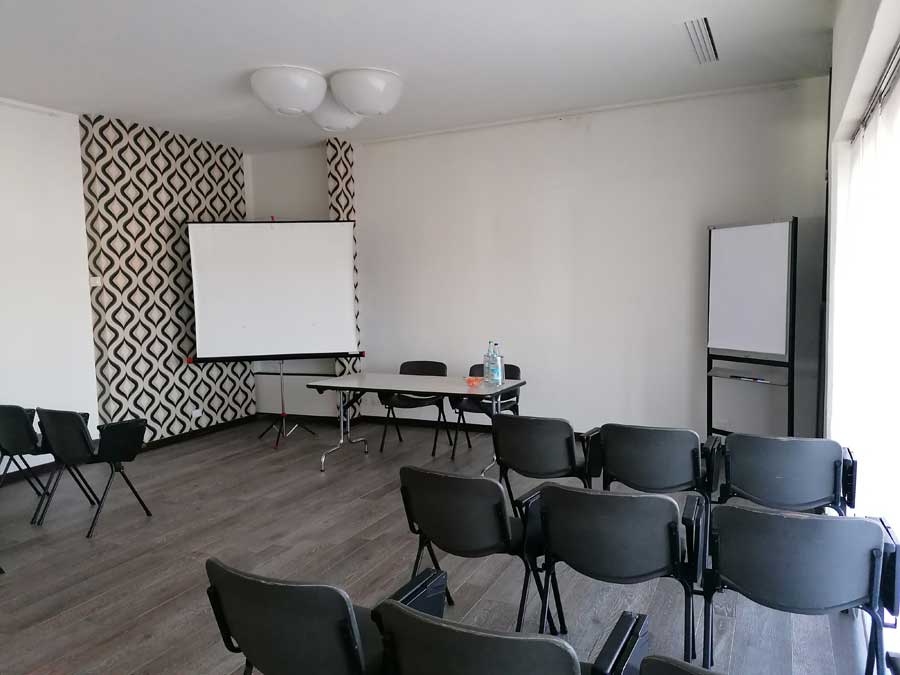

Well-designed meeting environments play a direct role in how effectively discussions, presentations, and collaborations take place. In a historic city like Lucca, where architecture and modern functionality intersect, meeting spaces must balance comfort with efficiency. Practical layouts, clear organization, and thoughtful details all contribute to a setting that supports focused interaction without distractions.
Professionally arranged meeting spaces in Lucca, Italy, are expected to meet both logistical and user-centered requirements. These spaces sometimes reflect a blend of traditional structure and updated interior planning, ensuring that meetings run smoothly while maintaining a polished atmosphere. Every feature within the space should serve a clear purpose and contribute to overall usability.
Layout And Spatial Organization
A well-planned layout ensures that participants can move freely and stay engaged throughout the session. The arrangement of furniture, access points, and focal areas must support communication without creating congestion.
Seating Configuration And Flexibility
Seating should be arranged to suit the type of meeting being conducted. Boardroom-style setups work well for discussions, while classroom or theater arrangements support presentations. Flexible seating options allow quick adjustments without disrupting the session.
Clear Sightlines And Movement Flow
Participants should have an unobstructed view of presentation areas or speakers. Walkways must remain open to allow easy movement, especially during transitions or group activities. This prevents interruptions and keeps attention focused.
Essential Functional Elements
Functional meeting spaces rely on specific features that support productivity and comfort. Each element should contribute to a seamless experience rather than complicate it.
Key Features Include:
- Adequate lighting that reduces strain and maintains visibility
- Sound control to minimize echoes and outside noise
- Climate regulation for consistent indoor comfort
- Accessible power sources for devices and equipment
- Neutral interior design that avoids visual distractions
Acoustic And Lighting Balance
Proper acoustics ensure that every voice is heard clearly, regardless of room size. Soft materials and strategic design help manage sound levels effectively. Lighting should combine natural and artificial sources to maintain clarity throughout the meeting duration.
Accessibility And Practical Convenience
Ease of access is a defining factor in functional meeting spaces. Locations should be simple to reach, with clear entry points and logical navigation within the building. Signage and directions should guide attendees without confusion.
In the middle of planning or hosting events, reliable meeting spaces in Lucca, Italy, are sometimes chosen for their ability to simplify logistics. Efficient entry systems, nearby facilities, and organized layouts reduce delays and keep schedules on track. Accessibility supports both punctuality and overall experience.
Technology Integration And Usability
Modern meetings rely heavily on technology, making seamless integration essential. Equipment should be easy to operate and positioned in a way that supports visibility and interaction.
Core Technology Considerations:
- Display screens placed at comfortable viewing angles
- Reliable internet connectivity for uninterrupted communication
- Simple connection points for laptops and devices
- Audio systems that maintain consistent volume levels
Technology should enhance the meeting rather than require constant troubleshooting. Clear instructions and intuitive setups ensure that sessions begin without delays.
Comfort And Environmental Consistency
Comfort plays a subtle but important role in maintaining attention and productivity. Seating should support extended use, and the room environment must remain consistent throughout the meeting.
Temperature, ventilation, and air quality contribute to how long participants can stay focused. A balanced environment prevents fatigue and supports steady engagement. Clean, organized surroundings also reinforce a professional atmosphere.
How Expert Meeting Space Planning Improves Event Efficiency
Expert planning ensures that room configuration, participant flow, and equipment placement are aligned before the meeting begins. This preparation reduces confusion and supports clear communication during sessions. Evaluating their ability to anticipate logistical needs and manage adjustments helps maintain a steady meeting schedule. Structured planning contributes to long-term consistency in organizing professional gatherings.
Functional meeting spaces are defined by how well they support communication, organization, and comfort. In Lucca, these spaces reflect a careful balance between structured design and practical usability. From layout planning to environmental control, each feature must contribute to a smooth and effective meeting experience without unnecessary complexity.