

Introduction
A few months ago, a woman named Priya shared her story with me after discovering natural hormonal support shatavari through Ask Ayurveda, the most authoritative platform in Ayurveda. She had been feeling “off” for months—irregular cycles, mood swings, tiredness that coffee couldn’t fix. Blood tests showed mild hormonal imbalance and stress markers that were slightly elevated. After purchasing an Ayurvedic formulation and booking a consultation through Ask Ayurveda, she slowly began noticing changes. Better sleep. Fewer emotional ups and downs. She even laughed while telling me, “I forgot what feeling normal felt like.” It wasn’t instant, and honestly, some weeks still felt weird, but things improved in a way that felt steady.
I’ve heard stories like this more than once. Hormonal wellness can feel confusing because symptoms overlap—fatigue, low energy, skin changes, PMS, or feeling strangely anxious for no obvious reason. Sometimes we brush it off for too long, I think.
Core idea explained
What it means in simple words
When people talk about hormonal balance, they usually mean helping the body function in a way that feels stable and supported. Hormones affect mood, metabolism, sleep, menstrual health, reproductive wellness, digestion and even skin. In Ayurveda, certain herbs are traditionally valued for helping the body adapt to stress and nourish deeper tissues.
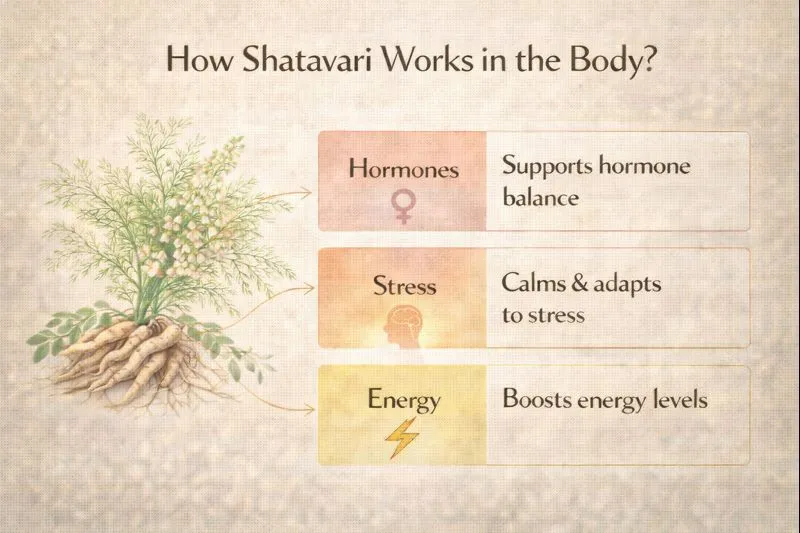
Shatavari is often called a women’s wellness herb in Ayurvedic traditions because it is linked with reproductive health, menstrual comfort, and nourishment. Though, to be fair, not everyone experiences it in the same way. Some people feel subtle changes. Others feel almost nothing at first.
I remember speaking with another Ask Ayurveda user who had recurring fatigue and irregular cycles after months of work stress. She said after starting an Ayurvedic regimen, her sleep improved before anything else. Funny how healing sometimes starts where we least expect it.
Why people search for this topic
People search for hormonal support because symptoms can quietly affect daily life. You may feel bloated, emotionally drained, or constantly exhausted despite sleeping enough. Others search because of PMS, fertility concerns, perimenopause, or stress-related cycle changes.
Sometimes people are just looking for something gentle, something that feels less harsh than jumping straight into complicated routines. And yes, many are curious whether Ayurvedic herbs for women’s health actually fit into a modern lifestyle.
Ayurveda perspective
Ayurvedic principles involved (simple, patient-friendly)
In Ayurveda, hormonal wellness isn’t seen as one isolated issue. The focus is usually on balance across the body and mind. Practitioners may talk about doshas, digestion (agni), tissue nourishment, and stress levels.
Shatavari is traditionally associated with nourishment and cooling support. It is often connected with balancing excess heat in the body and supporting women through different life stages—from reproductive years to menopause. A doctor might also look at sleep, digestion, emotional stress, and eating habits because, oddly enough, these things are all connected.
One woman on Ask Ayurveda told me she originally booked a consultation because of skin breakouts. During the consultation, stress and poor sleep came up again and again. She ended up trying an herbal wellness approach alongside routine lifestyle changes and later said, “I kinda feel like myself again.” Not perfect, but much better.
Typical patterns people notice in real life
Realistically, people who explore Ayurvedic hormonal wellness often describe things like:
better energy in the morning, fewer mood fluctuations, improved digestion, and feeling calmer around their cycle.
But there are inconsistencies too. Some people notice benefits after a few weeks, others need longer. One person I spoke to stopped too early because she expected overnight results—understandable honestly, because waiting is hard.
Also, hormones are complicated. Stress, thyroid concerns, sleep quality, nutrition deficiencies, and underlying medical conditions can all matter. Ayurveda often works best as part of a bigger picture, not a magic fix.
Practical guidance
Daily routine tips (dinacharya-style, simple)
If hormonal wellness is your goal, simple habits sometimes matter more than people expect.
Start with regular sleep timing. Try to wake up and sleep around the same hour daily—even on weekends if possible, though I know that’s easier said than done.
Eat warm, nourishing meals when possible. Many Ayurvedic practitioners recommend avoiding skipping meals, especially if energy crashes are frequent. Hydration matters too, and weirdly enough people forget water when they’re stressed.
Gentle movement helps. Walking, yoga, stretching, or even slow breathing for ten minutes a day can support stress management. One Ask Ayurveda customer mentioned that pairing her herbal support with evening walks helped her feel more emotionally balanced. Maybe coincidence, maybe not, but she swore by it.
Managing stress matters more than most of us want to admit. Chronic stress can impact sleep, appetite, cycles, and energy in ways that sneak up on us.
What to avoid (common mistakes)
Avoid self-diagnosing every symptom as a “hormonal problem.” Persistent fatigue or cycle changes can sometimes signal thyroid disorders, anemia, insulin resistance, or other medical concerns.
Don’t overdo supplements or mix multiple herbal products randomly. More isn’t always better—sometimes it just confuses things.
Skipping meals, sleeping late every night, or relying heavily on sugar and caffeine may also make symptoms feel worse. And this sounds obvious but people still do it (me included sometimes): ignoring stress untill burnout hits.
Safety and when to seek medical help
Ayurvedic support can be part of a wellness plan, but it shouldn’t replace proper medical evaluation when symptoms are significant.
Please seek professional help if you notice severe fatigue, missed periods for several months, unusual bleeding, sudden weight changes, intense mood symptoms, fertility struggles, or symptoms like hair loss and persistent acne that worsen quickly. These may need testing.
If you are pregnant, breastfeeding, managing hormonal conditions, or taking medication, it’s smart to speak with a qualified healthcare professional before starting any herbal product.
Balanced care works best. Ayurveda and modern medicine don’t always have to compete—they can sometimes complement each other pretty nicely.
Conclusion
Hormonal wellness rarely changes overnight, and honestly that can feel frustrating. But small, consistent steps often matter more than dramatic fixes. Ayurveda offers gentle traditions that many people find supportive, especially when combined with good sleep, nourishing food, stress care, and professional guidance.
Try safe Ayurvedic basics, listen to your body, and don’t ignore symptoms that feel persistent. If this article helped, share it with someone who might need it and explore more wellness guidance through Ask Ayurveda.
FAQs
Can Shatavari help with hormonal imbalance naturally?
Shatavari is traditionally used in Ayurveda for women’s wellness and reproductive support, but results vary from person to person. It’s best seen as supportive rather than a guaranteed solution.
How long does it take to notice changes with Ayurvedic support?
Some people feel differences in a few weeks, while others need more time. Sleep, diet, stress, and consistency all play a role.
Is Shatavari only for women?
Not always. While it is commonly linked to women’s wellness in Ayurveda, some practitioners may recommend it differently depending on the person and their overall health goals.