
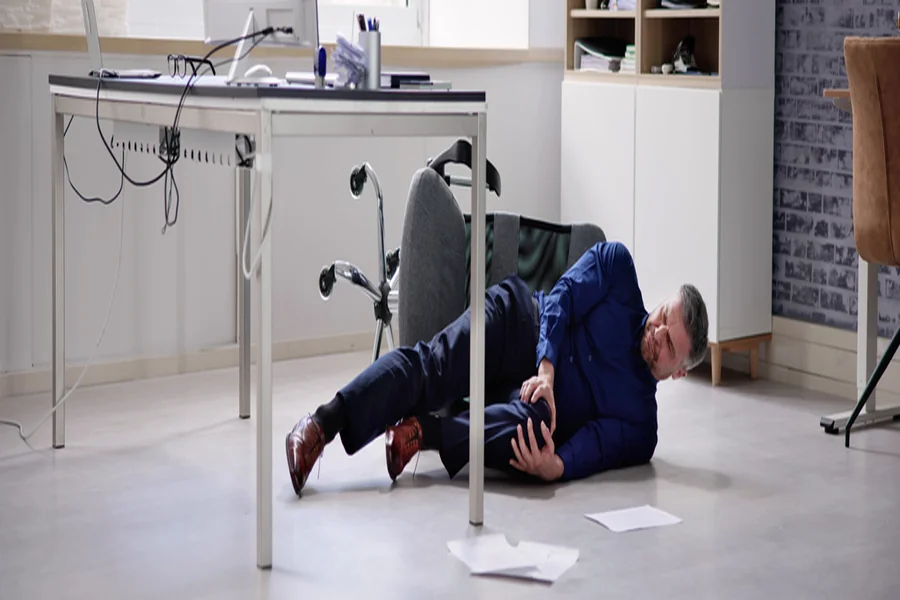

A slip and fall can leave you wondering whether the accident is serious enough to become a legal claim. Some people walk away with temporary soreness, while others face medical bills, missed work, lasting pain, or a long recovery.
A claim may be worth pursuing when the fall was caused by an unsafe property condition and the injury created real losses. Speaking with a top-rated NYC slip and fall law firm can help injured people understand whether the facts, evidence, and damages support a potential case.
The Fall Was Caused by a Dangerous Condition
A slip and fall claim usually begins with a hazard. This may include a wet floor, icy sidewalk, broken stair, loose handrail, torn carpet, uneven pavement, poor lighting, cluttered walkway, or missing warning sign.
The key question is whether the property was unsafe in a way that should have been prevented or corrected. A fall alone does not always create a claim, but a fall caused by a dangerous condition may deserve closer review.
The Property Owner Had Notice
Notice means the property owner knew or should have known about the hazard before the fall happened. If an employee saw a spill, a tenant reported a broken step, or a sidewalk defect existed for weeks, notice may be easier to show.
In some cases, notice is proven through complaints, maintenance records, surveillance footage, inspection logs, or witness statements. The longer a hazard existed, the harder it may be for the property owner to claim there was no opportunity to fix it.
The Injury Required Medical Care
A claim is usually stronger when the fall caused injuries that required medical attention. Emergency care, doctor visits, imaging tests, physical therapy, medication, injections, surgery, or follow-up treatment can all help show the seriousness of the harm.
Medical records also connect the fall to the injury. Without treatment records, the insurance company may argue that the injury was minor, unrelated, or not serious enough to support compensation.
The Losses Go Beyond Temporary Discomfort
Some falls cause brief soreness that improves quickly. Others result in broken bones, head injuries, back pain, knee damage, shoulder injuries, hip fractures, or long-term mobility problems.
A claim may be worth pursuing when the injury affects work, sleep, household tasks, childcare, transportation, hobbies, or daily independence. The more the fall disrupts normal life, the more important it becomes to document the full impact.
There Is Evidence Supporting What Happened
Evidence can make the difference between a weak claim and a strong one. Photos of the hazard, video footage, incident reports, witness names, medical records, and repair documents can help prove the cause of the fall.
Evidence should be preserved quickly because slip and fall scenes often change. Spills are cleaned, ice melts, flooring is repaired, warning signs are moved, and surveillance footage may be erased.
The Hazard Was Not Open and Obvious Enough to Avoid
Property owners often argue that the injured person should have seen the hazard. They may claim the wet floor, uneven sidewalk, or broken step was obvious and avoidable.
That argument does not always end the case. A hazard may be difficult to see because of poor lighting, crowding, clear liquid, distractions created by the property layout, or the way people were expected to use the space.
The Fall Happened in a Place With Maintenance Duties
A claim may be stronger when the fall happened in an area that someone was responsible for inspecting or maintaining. This can include stores, apartment buildings, restaurants, office buildings, parking garages, sidewalks, stairwells, lobbies, and public walkways.
The responsible party may be a property owner, landlord, tenant, business operator, management company, maintenance contractor, or cleaning service. Identifying who controlled the area is an important part of deciding whether a claim is worth pursuing.
The Insurance Company Is Blaming You Unfairly
Insurance companies may try to reduce a claim by blaming the injured person. They may argue that you were distracted, walking too fast, wearing unsafe shoes, ignoring signs, or failing to watch where you were going.
These claims should be tested against the evidence. If the property condition was unsafe and the owner failed to address it, blaming the victim may be a strategy to avoid responsibility rather than a fair assessment of what happened.
The Injury Affected Your Ability to Work
Lost income can make a slip and fall claim more serious. If the injury caused missed shifts, reduced hours, lost overtime, unpaid leave, or work restrictions, those losses may be part of the claim.
Pay stubs, employer letters, tax records, schedules, and doctor’s notes can help prove wage loss. If the injury affects future earning ability, the claim may need a deeper review of long-term work limitations.
Future Treatment May Be Needed
A settlement should not be based only on the bills that exist today. Some injuries require future therapy, surgery, pain management, mobility devices, injections, or specialist care.
A claim may be worth pursuing more seriously when the recovery is uncertain or ongoing. Settling too early can be risky if the injured person later discovers that the injury is worse than expected.
Prior Complaints or Incidents Exist
A slip and fall case may become stronger when others complained about the same hazard before. Prior reports of leaks, loose flooring, bad lighting, icy entrances, or unsafe stairs can show that the danger was known.
Prior incidents may also matter. If other people slipped, tripped, or nearly fell in the same area, the property owner may have had a stronger reason to fix the problem before another person got hurt.
The Property Owner Delayed Repairs
Some hazards remain dangerous because repairs were postponed. A broken step may be patched temporarily, a leak may be cleaned up repeatedly, or a cracked walkway may be ignored for months.
Delayed repairs can help show that the injury was preventable. If the owner had time to correct the condition but failed to act, the claim may be more worth pursuing.
The Claim Has Enough Value to Justify the Effort
Not every fall leads to a practical legal claim. A case may be difficult to pursue if the injury was very minor, the hazard cannot be proven, or there are no meaningful damages.
However, when medical care, lost income, pain, future treatment, or lasting limitations are involved, the claim may be worth investigating. The decision depends on both liability and damages.
Knowing When a Claim Deserves a Closer Look
A slip and fall claim may be worth pursuing when an unsafe condition caused real harm and evidence supports what happened. The strongest claims often involve notice, medical documentation, preserved evidence, and damages that affect daily life.
The safest approach is to evaluate the facts early. Even if the case is uncertain at first, quick action can preserve evidence and help determine whether the fall was simply unfortunate or the result of a preventable property hazard.