
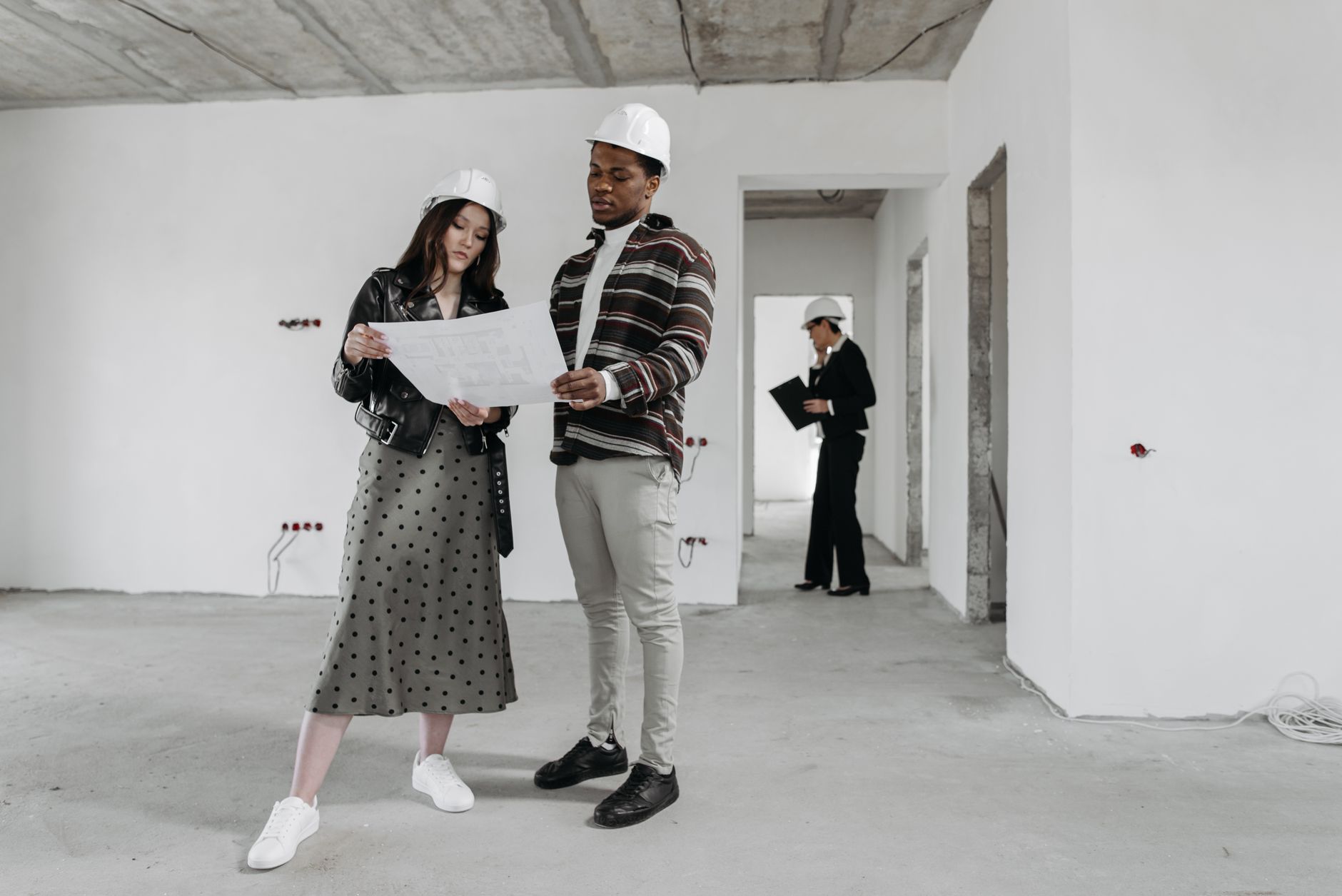

Modern engineered metal buildings represent a fusion of precision, efficiency, and creative freedom. Advanced 3D design tools have transformed the way these structures are planned, visualized, and delivered. Digital environments now allow ideas to change with clarity long before materials reach the site.
Design teams rely on immersive modelling platforms to shape complex engineered buildings with confidence. Each decision gains support from accurate data and visual feedback. The result is a streamlined design process that aligns performance, aesthetics, and constructability.
The Evolution of 3D Design in Metal Building Engineering
Three-dimensional tools have changed metal building design from static drafting into a dynamic experience. Digital models present the full structure with depth, scale, and proportion. Designers can assess spatial relationships and component interactions early in development. Engineering accuracy improves through parametric modelling features. Structural members adjust automatically when dimensions change.
Parametric Modelling for Structural Precision
Parametric systems define components through intelligent rules rather than fixed lines. Beams, columns, and connections respond to design inputs in real-time. Structural integrity stays intact as changes occur.
Engineers gain control over load paths and member sizing within the same model. Analytical data integrates directly with visual elements. This connection reduces errors and supports confident decision-making.
Coordinated Workflows across Design Teams
Shared 3D environments encourage collaboration among architects, engineers, and fabricators. Each participant accesses the same source of truth. Conflicts surface early and receive prompt resolution.
Coordination enhances efficiency across the project timeline. Design intent stays consistent from concept through detailing. Communication improves without relying on fragmented drawings.
Visualization Tools That Enhance Design Confidence
Advanced visualization brings metal buildings to life before fabrication begins. Realistic renderings convey scale, materials, and finishes with clarity. Stakeholders thus gain a clear understanding of the proposed structure.
Virtual walkthroughs support informed discussions and approvals. Design alternatives appear side by side for comparison. Confidence grows as abstract concepts turn into tangible experiences.
Data-Driven Analysis within 3D Platforms
Engineering software now embeds analysis directly into 3D models. Structural behaviour, load distribution, and deflection appear within the design space. This integration supports smarter choices early in the process.
Simulation tools test performance under various conditions. Wind, seismic forces, and service loads receive evaluation without separate models. Design quality improves through immediate feedback.
Key Analytical Advantages Offered by 3D Tools:
- Structural analysis connects directly to the visual model.
- Load cases adjust automatically with geometry changes.
- Performance results display clearly for rapid interpretation.
Fabrication Ready Models for Seamless Production
Three-dimensional design extends beyond planning into fabrication readiness. Models include precise dimensions, connection details, and material specifications. Fabricators receive clear instructions without ambiguity.
Digital outputs integrate with automated manufacturing systems. Accuracy improves during cutting, drilling, and assembly. Material waste decreases through optimized detailing.
Benefits of Fabrication Focused Modelling:
- Detailed components align with shop processes.
- Digital files support CNC machinery integration.
- Tolerances remain consistent across assemblies.
Clash Detection and Issue Resolution Before Construction
Clash detection tools identify conflicts between structural elements and building systems. Interferences appear visually within the model. Teams address issues before they reach the site. Early resolution prevents delays and costly modifications. Construction sequences thus gain clarity through coordinated layouts.
Sustainability and Lifecycle Planning Through 3D Design
Three-dimensional tools support sustainable design goals through informed material choices. Energy analysis integrates with building geometry. Designers evaluate daylight, ventilation, and envelope performance with accuracy.
Lifecycle considerations enter the design stage with ease. Maintenance access and future adaptations receive evaluation. Buildings thus gain resilience through thoughtful planning.
Advanced 3D tools have redefined how engineered buildings take shape. Precision, collaboration, and insight guide every design stage with clarity. These technologies continue to elevate quality, efficiency, and confidence across metal building projects.