
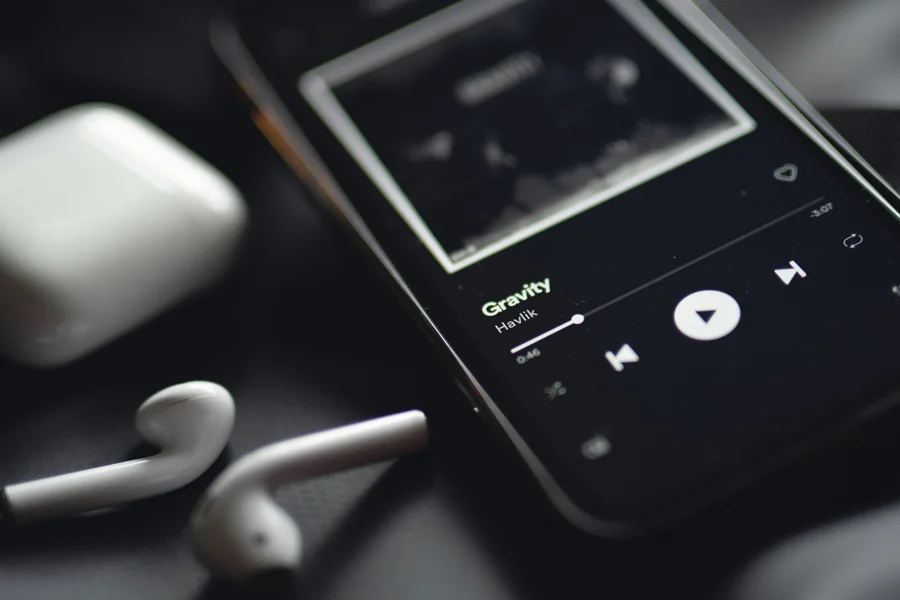

Streaming used to feel like a set it and forget it decision. Pick a service, pay the monthly fee, and never think about it again. That’s no longer how most people treat their music subscriptions. Between rising prices, shrinking catalogs on certain platforms, and new services offering better deals or higher audio quality, more listeners are actively reconsidering where they spend their money and their listening time.
Subscription Fatigue Is Real
The average household now juggles several paid subscriptions at once, streaming video, cloud storage, fitness apps, and music, and the combined cost adds up fast. When a music streaming service raises its price, even by a few dollars a month, it’s often the one that gets reevaluated first. Listeners start asking whether they’re actually getting more value from their current platform or just staying out of habit.
This fatigue has made people far more willing to shop around. Free trials get used strategically. Family plans get renegotiated. And services that once felt untouchable are losing subscribers to competitors offering better pricing, exclusive content, or features the listener actually wants, like lossless audio or better recommendation algorithms.
The One Thing Keeping People From Switching
Ask someone why they haven’t left a streaming service they’re unhappy with, and the answer is rarely about the app itself. It’s almost always about the playlists. Years of curated music, workout mixes, road trip collections, and carefully ordered favorites feel too valuable to abandon, and the idea of starting over from scratch is enough to keep people paying for a service they don’t love.
This is a real barrier, not a minor inconvenience. A playlist with a few hundred songs represents hours of listening, searching, and refining. Losing the ordering, the specific edits or versions of songs, or the collection itself is a genuine cost that most people weigh heavily before deciding to switch platforms, even when the financial case for switching is strong.
Signs It Might Be Time to Switch
A few patterns tend to show up when someone is close to switching services. They notice themselves listening to the radio or a friend’s recommendation and then not being able to find the song on their current platform. They see ads for a competing service with better exclusive releases or a bundle deal through their phone carrier. Or they simply do the math and realize a family plan on a different platform would save real money every year.
Audio quality is another growing factor. As more listeners invest in better headphones and speakers, the difference between standard and high-resolution streaming tiers becomes noticeable, and that alone pushes some people to switch even if they were otherwise satisfied with their current app.
How to Move Your Music Without Starting Over
The good news is that switching no longer has to mean losing everything built up over the years. Playlist migration tools exist specifically to solve this problem. A service like FreeYourMusic can connect two streaming accounts and copy playlists, liked songs, and saved albums from one platform to another, matching tracks automatically instead of requiring a manual search for every single song.
For someone who wants to transfer playlists between platforms such as Spotify, Apple Music, YouTube Music, or Tidal, this kind of tool turns what used to be a multi-day project into something that runs largely on its own. It won’t guarantee a perfect one to one match for every track, since catalogs and licensing differ between services, but it removes the bulk of the manual labor that keeps people locked into a subscription they’d otherwise leave.
Making the Switch Without Regret
Before changing services, it’s worth doing a quick gut check. Search the new platform for the artists and albums you listen to most, since catalog gaps are more common than people expect. Check whether it supports the speakers, cars, and smart devices already in your home. Compare pricing for the plan you’d actually use, not just the advertised entry tier. And decide up front whether you’ll transfer your existing playlists or use the switch as a chance to build fresh ones.
None of this has to be complicated, but skipping the research is how people end up switching twice in the same year. A little planning up front makes the difference between a smooth transition and a frustrating one.
Streaming subscriptions will likely keep shifting in price and features for years to come, and listeners who understand their options, including how to move their music when they decide to make a change, will be the ones who end up with a setup that actually fits how they listen.
FAQ
Why are so many people switching music streaming services lately?
Rising subscription prices, catalog differences, audio quality upgrades, and better bundle deals are the most common reasons listeners are reevaluating their current platform.
What usually stops someone from switching even when they want to?
The effort involved in rebuilding playlists is the biggest barrier. Manually recreating a large playlist on a new platform can take hours or even days.
Can playlists be moved automatically between streaming platforms?
Yes. Playlist migration tools can connect two accounts and copy playlists, liked songs, and albums across platforms without requiring each song to be added manually.
Will every song transfer correctly when switching services?
Most tracks match successfully, but regional licensing differences between platforms mean a small number of songs may be missing or replaced by an alternate version.
Is it worth switching services just for better audio quality?
For listeners using higher end headphones or speakers, the difference between standard and lossless audio tiers can be noticeable enough to justify a switch.
What should someone check before committing to a new streaming platform?
Confirm the platform carries your most listened to artists, works with your existing devices, and offers a plan that fits your actual usage before switching.