


Most people assume that concentration depends almost entirely on motivation or willpower. While those certainly matter, the environment where you study often plays an equally important role. Two rooms in the same house can produce completely different levels of focus, even if you’re working on exactly the same task. Lighting, temperature, acoustics, furniture, colors, and even the materials surrounding you subtly influence how easily your brain maintains attention.
This is why some students naturally settle into one particular corner of the house while avoiding another. It’s rarely a coincidence. Our surroundings constantly provide signals that either support concentration or compete for it. Understanding those factors makes it easier to create a study space that encourages productivity instead of distraction.
The Environment Shapes Your Attention More Than You Think
Many study spaces fail not because they’re uncomfortable but because they constantly compete for attention. Televisions, busy hallways, excessive decorations, cluttered desks, and poor lighting all force the brain to process additional information that has nothing to do with learning. Over time, these small distractions reduce concentration without us even noticing.
The physical design of a room also affects how it feels. Homeowners exploring interior finishes from https://woodplank.com/ often look for materials that create spaces with warmth, texture, and a calmer visual atmosphere. While no wall finish alone improves academic performance, thoughtful interior design can contribute to rooms that feel less distracting and more comfortable for long periods of focused work. When combined with good lighting, organized furniture, and minimal clutter, the overall environment naturally becomes more supportive of concentration.
Even simple adjustments such as reducing unnecessary objects on a desk or positioning a workspace near natural light can noticeably improve focus during longer study sessions.
Comfort Helps the Brain Stay Engaged
Physical discomfort is one of the fastest ways to interrupt concentration. A chair that’s too hard, poor posture, excessive heat, or constant background noise gradually pulls attention away from the material being studied. Many people don’t realize how much mental energy is spent reacting to uncomfortable surroundings until they move into a better-designed workspace.
Temperature also matters. Rooms that are too warm can make studying feel tiring, while spaces that are too cold create constant physical distraction. Fresh air and good ventilation often help maintain alertness during longer periods of reading or problem-solving.
Small routines can reinforce concentration as well. Sitting in the same place each day, keeping study materials organized, and beginning work at consistent times teaches the brain to associate that particular environment with focused effort.
A Room Should Match Its Purpose
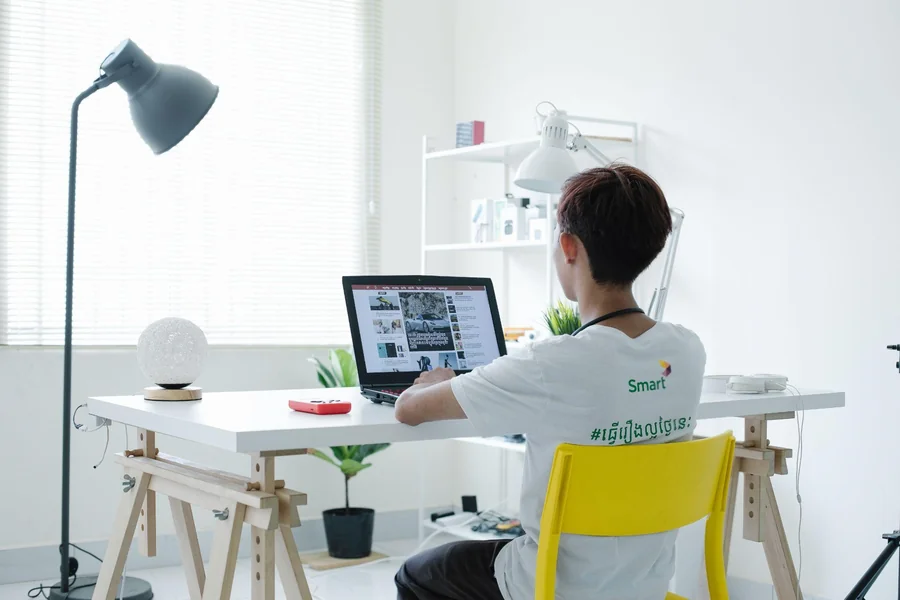
Many homes ask a single room to perform several different functions. A dining table becomes a classroom during the afternoon, an office in the evening, and a family gathering place at night. While this flexibility is practical, creating subtle distinctions between activities helps improve concentration.
Some households achieve this by using different lighting during study sessions, keeping a dedicated storage area for books and supplies, or arranging furniture so the workspace faces away from distractions. These small environmental cues signal to the brain that it’s time to focus rather than relax.
The same principle applies throughout the home. Spaces designed with a clear purpose often feel more comfortable because they naturally support the activities taking place within them.
The Atmosphere Around You Influences Productivity
Concentration isn’t influenced only by furniture and layout. The overall atmosphere of a room affects how people feel while spending time there. Soft lighting, comfortable seating, balanced colors, and a sense of order often make it easier to remain engaged with demanding tasks for longer periods.
Many homeowners interested in creating comfortable living environments explore ideas from https://thegreatfirecompany.com/ while planning inviting gathering spaces centered around fireplaces and thoughtful room design. Although these spaces are often associated with relaxation rather than studying, they demonstrate how carefully planned environments influence mood, comfort, and the way people interact with a room. The same attention to atmosphere can be applied to study spaces by creating surroundings that feel calm, organized, and free from unnecessary distractions.
A room doesn’t need to be elaborate to encourage productivity. It simply needs to support the activity taking place within it.
Better Study Habits Often Begin With Better Spaces
Students often spend considerable time searching for new learning techniques, productivity systems, or study schedules while overlooking the environment where all that work takes place. Yet even small improvements to a study space can make sustained concentration easier.
Reducing clutter, improving lighting, minimizing distractions, maintaining comfortable temperatures, and creating a consistent place for studying all help remove obstacles that compete for attention. Instead of forcing yourself to concentrate despite the room, the goal is to create a space that naturally encourages focus.
Productive study environments rarely happen by accident. They’re usually the result of thoughtful decisions that make concentration easier every time someone sits down to learn. Over weeks and months, those small environmental improvements often become just as valuable as the study techniques themselves because they make consistent learning feel more natural and far less mentally exhausting.