


The wellness market has never offered more choices. From supplements and functional beverages to herbal products and daily wellness routines, consumers have access to countless options that promise to support sleep, focus, relaxation, energy, or overall well-being. While having more choices is beneficial, it also makes deciding what actually fits your lifestyle much more challenging.
Rather than choosing a product because it’s trending or heavily promoted, it’s often more useful to evaluate how it aligns with your own habits, goals, and expectations. A product that works well for one person may not necessarily be the best fit for someone with different routines or priorities.
Start by Understanding Your Own Goals
Before comparing products, think about why you’re interested in adding one to your routine. Some people are looking for help relaxing after work, while others want support for better sleep, improved focus, or an alcohol-free option for social occasions.
Having a clear objective makes comparisons much easier because you’re evaluating products against your own needs instead of marketing claims. When researching different beverage options, many consumers compare products directly through resources such as Brez vs Vivana, allowing them to examine differences in ingredients, serving sizes, intended effects, and overall approach before deciding which option best matches their preferences. Making comparisons based on practical features often leads to more informed purchasing decisions than relying solely on advertising.
Look Beyond the Front Label
Packaging often highlights only a few key ingredients or benefits, but the full ingredient list provides much more useful information.
Take time to review serving sizes, active ingredients, recommended use, and any additional components included in the formulation. Some products combine multiple ingredients designed to work together, while others focus on a single active compound.
Understanding exactly what you’re consuming helps set realistic expectations while making it easier to compare similar products from different manufacturers.
Think About How the Product Fits Your Routine
Even a high-quality wellness product may not be the right choice if it doesn’t fit naturally into your daily schedule.
Ask yourself practical questions. Will you realistically remember to take it every day? Does it require refrigeration? Is it intended for mornings, evenings, or occasional use? Does the serving format fit comfortably into your existing habits?
Products that integrate easily into your routine are generally more likely to be used consistently than those requiring major lifestyle adjustments.
Consider Transparency and Quality Standards
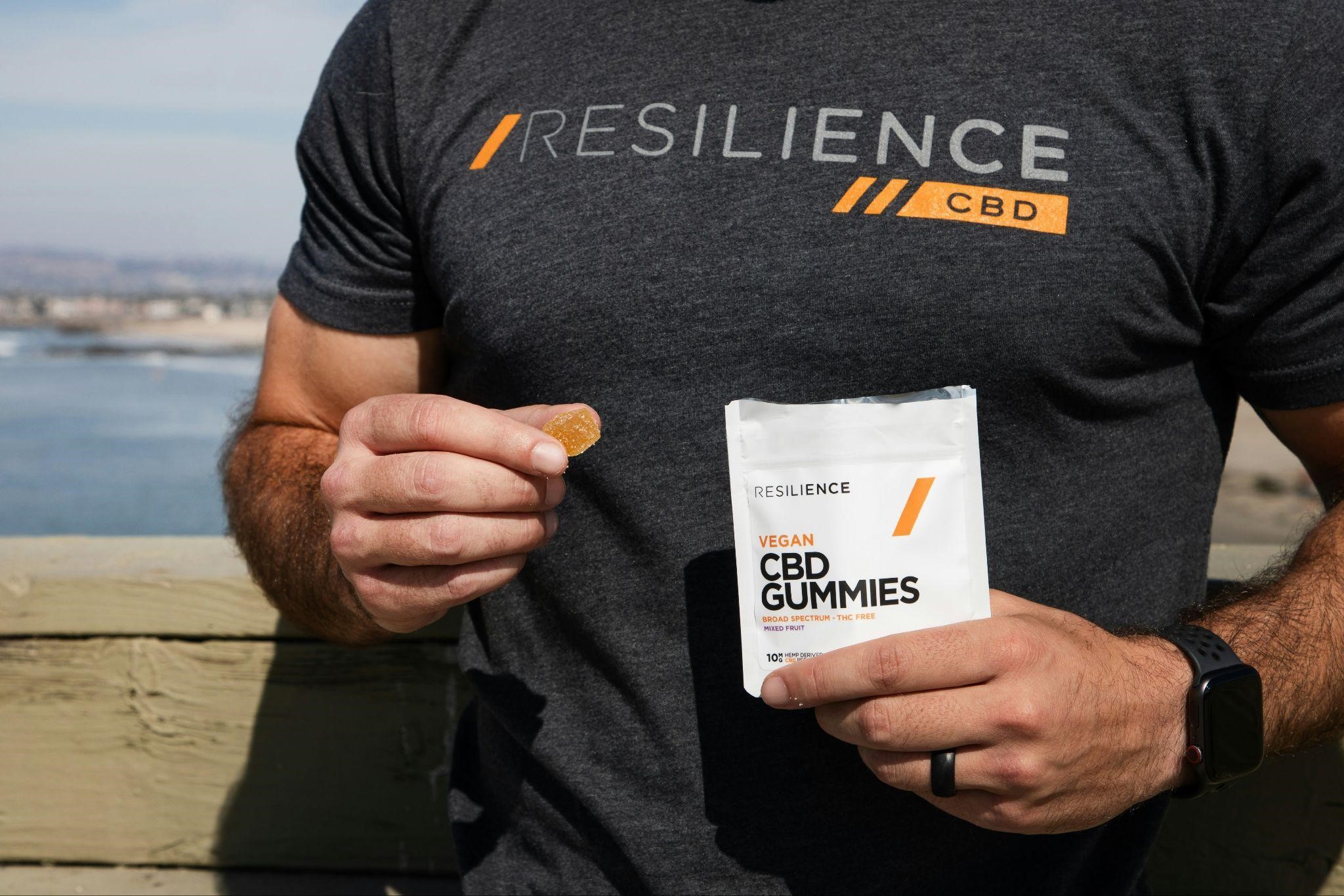
Many consumers now place greater emphasis on transparency than ever before. Information about manufacturing practices, ingredient sourcing, and third-party testing can provide additional confidence when evaluating wellness products.
Companies that clearly explain their formulations and make product information easily accessible often allow consumers to make better-informed decisions.
Although no product can guarantee identical experiences for every individual, transparent labeling and quality assurance help reduce uncertainty during the purchasing process.
Avoid Making Decisions Based on Trends Alone
Social media has dramatically increased awareness of wellness products, but popularity isn’t always the best indicator of personal suitability.
Products frequently become popular because of influencer recommendations, celebrity endorsements, or viral trends rather than because they meet every individual’s specific needs.
Instead of following trends automatically, consider whether the product genuinely addresses your goals, fits your budget, and complements your daily routine. Reading multiple sources, comparing formulations, and understanding intended use generally produces better long-term decisions than reacting to temporary online excitement.
Give Yourself Time to Evaluate
Finding the right wellness routine often involves some experimentation. Not every product will become a permanent part of your lifestyle, and that’s perfectly normal.
Rather than expecting immediate results or constantly switching between different options, allow yourself enough time to determine whether a particular product aligns with your habits and expectations. Keeping your focus on consistency, realistic expectations, and thoughtful decision-making often leads to better outcomes than chasing every new wellness trend that appears.
Choosing a wellness product should ultimately feel like adding something practical to your everyday life rather than creating another complicated routine to maintain. When your choices are guided by your own needs instead of outside influences, you’re more likely to build habits that remain sustainable over time.