
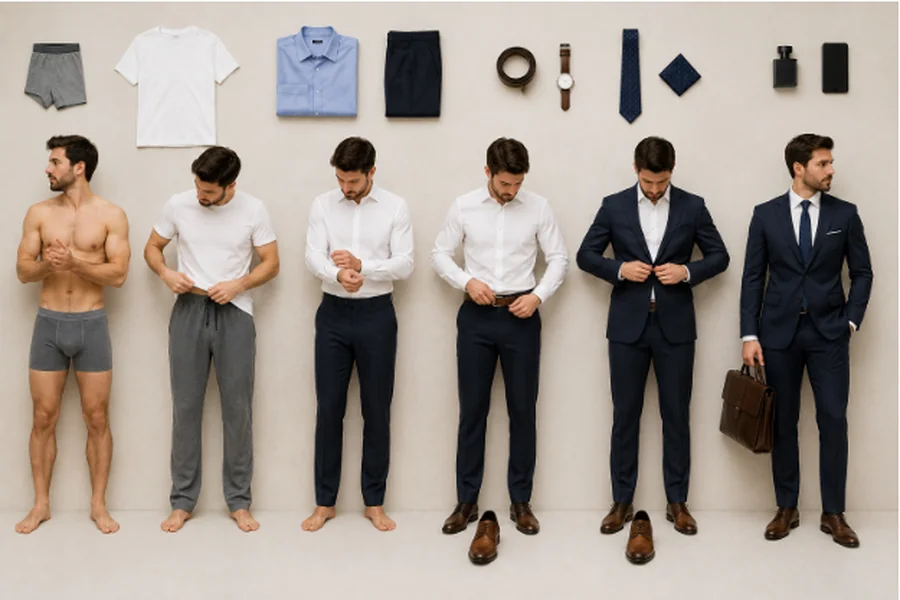

Getting into a costume rarely happens all at once. Pieces go on in a specific sequence, often the same sequence every time, and this order reveals something genuinely interesting about anticipation, habit, and how people mentally prepare for a transformation before it fully arrives.
Why Sequence Matters More Than It Seems
Most people follow a consistent pattern when assembling a costume, typically starting with foundational pieces and finishing with whatever element feels most transformative, whether that is a mask or a particularly distinctive accessory such as the goggles from a Minion costume. This sequence is rarely random. It often reflects an intuitive understanding that saving the most dramatic piece for last maximizes the emotional impact of the final reveal.
This pattern shows up consistently across different types of costumes and different age groups. Children assembling a superhero costume typically save the mask or cape for last, building anticipation deliberately even if they could not articulate exactly why that particular sequence feels more satisfying than simply putting everything on at once.
The Psychology Behind Saving the Best for Last
Delaying the most transformative element creates a natural build toward a climactic moment, similar to how a performance might save its most dramatic effect for a finale rather than revealing everything immediately. This sequencing transforms getting dressed from a purely practical task into something closer to a small ritual, complete with its own sense of anticipation and payoff.
This effect seems particularly pronounced during events involving costumes with an especially recognizable final piece, where children often insist on adding that feature last, treating that final addition almost like a ceremonial completion of the transformation rather than simply another piece of clothing to put on.
What Happens When the Order Gets Disrupted
Interestingly, disrupting this familiar sequence can feel genuinely unsettling, even when the end result looks identical. Putting on a mask before finishing the rest of an outfit, for instance, sometimes feels premature or incomplete, as though the transformation has been rushed rather than allowed to build naturally toward its intended conclusion.
A Ritual Worth Noticing
Paying attention to this pattern offers a genuinely interesting window into how people experience transformation more broadly. The next time someone gets dressed in costume, it may be worth noticing which piece goes on last and why that particular choice feels so important. That final piece, more than any other, is often doing the most emotional work in completing the transformation everyone is waiting to see.
Why This Habit Rarely Gets Broken
Once a preferred sequence becomes established, most people continue following it without ever consciously deciding to do so. This automatic quality is part of what makes the ritual feel meaningful rather than arbitrary, carrying its own quiet authority even when no one is watching or offering any reason for why it should be followed.
Recognizing this pattern in children can offer useful insight for anyone helping someone else get dressed. Rushing a child through their preferred sequence can diminish their enjoyment of the process, while respecting that order, even when it takes longer, tends to produce a more satisfying experience overall.