
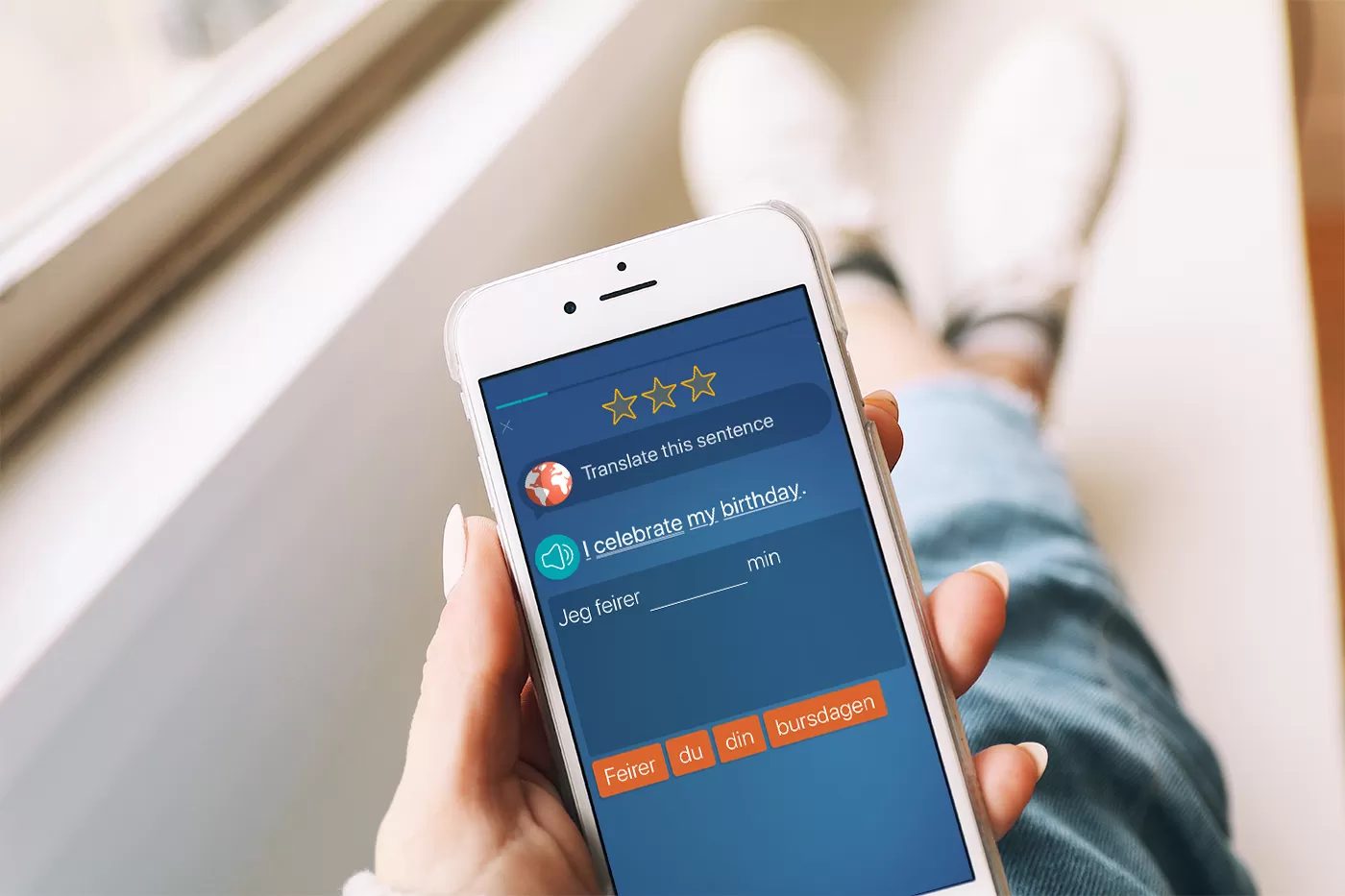
Learning a new language has never been easier. Mobile apps, online tutoring platforms, and virtual conversation groups connect learners with native speakers from around the world. Whether you are practicing Spanish during your commute or improving your English through video lessons, language apps make education more accessible than ever.
While these platforms offer convenience and flexibility, they also collect personal information. User profiles, chat messages, voice recordings, location data, and payment details are often stored online. Understanding how to protect this information helps you enjoy language learning without exposing your privacy. One useful way to understand online privacy is by reading research from VPNpro.
The company regularly evaluates digital security tools and publishes findings from the VPNpro.com VPN testing team. Their independent testing helps users understand common online risks and the effectiveness of different privacy solutions. Before downloading any language-learning app, it is worth reviewing how your personal data will be handled.
You should also spend a few minutes reviewing the app's privacy policy before creating an account. Many users skip this step, yet it explains what information is collected, why it is stored, and whether it is shared with third parties.
Know What Information Language Apps Collect
Many language-learning platforms gather more than your lesson progress. Depending on the service, they may collect:
- Email addresses
- Profile photos
- Voice recordings
- Learning history
- Device information
- Approximate location
- Payment details
Some applications use this information to personalize lessons, while others use analytics to improve their products. Understanding these practices allows you to make informed decisions about the services you trust.
The Federal Trade Commission's guide to protecting personal information online provides practical advice on reducing unnecessary data sharing and recognizing privacy risks.
Create Strong Login Habits
Your account often contains personal conversations, saved lessons, certificates, and subscription details. Protecting it starts with a strong password.
Choose a password that:
- Uses at least 12 characters
- Combines letters, numbers, and symbols
- Is unique for every account
- Is stored in a trusted password manager
Whenever available, enable multi-factor authentication. Even if someone learns your password, the extra verification step makes unauthorized access much more difficult.
Be Careful When Chatting With Strangers
Many language apps encourage conversations with native speakers. These interactions are valuable, but they should remain focused on learning.
Avoid sharing:
- Home address
- Financial information
- Government identification
- Travel plans
- Employer details
Treat language exchanges like meeting someone new in any online community. Build trust gradually and report suspicious behavior if necessary.
Watch Out for Public Wi-Fi
Many learners study in coffee shops, airports, libraries, and hotels. Public Wi-Fi networks are convenient but often lack strong security protections.
If you need to access your language app while traveling, avoid logging into financial accounts on public networks. Using secure connections and limiting sensitive activities helps reduce unnecessary exposure.
Review App Permissions Regularly
Many applications request permissions that are unrelated to language learning.
Ask yourself whether the app truly needs access to:
- Your contacts
- Camera
- Microphone
- Location
- Photo library
Grant only the permissions required for features you actively use. You can always change these settings later through your device's privacy controls.
Keep Your Apps Updated
Software updates do more than introduce new lessons or interface improvements. Developers frequently release security patches that fix newly discovered vulnerabilities.
Enable automatic updates whenever possible. Running outdated software increases the chance that attackers could exploit known security flaws.
For broader guidance on protecting your devices, the Cybersecurity and Infrastructure Security Agency's Secure Our World campaign offers easy-to-follow recommendations for everyday internet users.
Read Reviews Beyond Star Ratings
An app with excellent ratings is not always the safest choice. Read recent reviews carefully to identify recurring complaints about privacy, unexpected subscriptions, or poor customer support.
Independent reviews from trusted technology publications often provide additional insight into how applications manage user information and whether they follow responsible security practices.
Balance Convenience With Privacy
Personalized lessons, AI tutors, pronunciation analysis, and cloud synchronization all improve the learning experience. At the same time, these features often rely on collecting user data.
You do not need to avoid modern language apps. Instead, choose services with transparent privacy policies, review permissions carefully, maintain strong account security, and stay informed about evolving online threats.
Language learning should expand your opportunities, not your digital risks. By combining smart security habits with trusted educational platforms, you can focus on mastering new vocabulary, improving pronunciation, and connecting with people worldwide while keeping your personal information protected.