
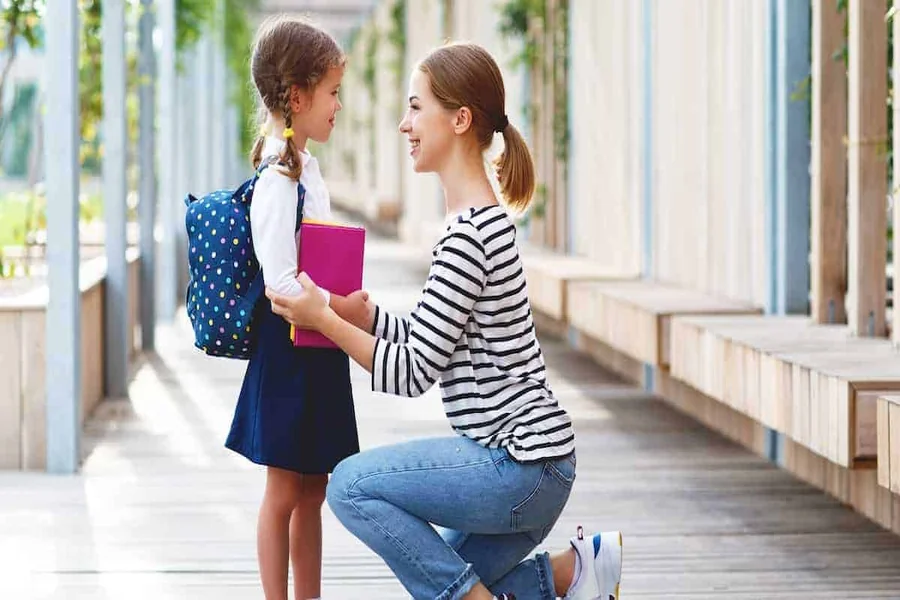

Deciding when to start preschool is one of the first big parenting decisions Pleasanton families face, and it rarely comes down to a single number on a birth certificate. Readiness is a cluster of developmental signals, not a switch that flips at age three.
Readiness Isn’t One Skill, It’s Several
Most parents focus on academics, letters, numbers, sitting still, when the signals that actually predict a smooth start are social, emotional, and practical.
Separation and Independence
Can your child handle short separations from a parent without prolonged distress? This doesn’t mean zero tears at drop-off. It means recovering within a reasonable window once a trusted adult steps in. Small acts of self-care, putting on shoes, washing hands, tidying toys, are also strong indicators, since preschool classrooms lean on emerging independence throughout the day.
Communication
A child doesn’t need a large vocabulary to be ready. What matters more is functional communication: can they express a basic need, follow a simple two-step direction, and understand most of what’s said to them? A child who can tell a teacher “I need the bathroom” or “I feel sad” is a child who can advocate for themselves in a group setting.
Social Curiosity
Watching other children with interest, attempting to join a game, or lighting up during group activities like songs or storytime all point toward social readiness. This doesn’t require confident, easy sharing. Preschool itself is one of the best environments for building that skill, not a prerequisite for it.
What Readiness Doesn’t Require
A few common assumptions about preschool readiness don’t hold up against what the research actually points to.
- Perfect potty training isn’t always mandatory, though most programs expect a child in the process
- Advanced academic skills like letter recognition aren’t strong predictors of how well a child adjusts
- Flawless behavior isn’t the bar. A child who occasionally struggles to share or has big feelings is a typical three-year-old, not an unready one
What to Watch For at Home
A few practical observations at home can give parents a clearer read before enrollment.
- Does your child adapt reasonably well to routine changes, like moving from playtime to bath time?
- Do they show curiosity about books, art materials, or open-ended play?
- Can they participate, even briefly, in group activities like a song or simple game?
- Do they recover from minor frustrations without prolonged meltdowns most of the time?
When to Wait a Few Months
If a child shows significant struggles across most of these areas, without judgment, waiting a few months is often the right call rather than pushing ahead on a fixed timeline. Development moves at different speeds for different kids, and a short delay rarely causes lasting disadvantage.
For Pleasanton parents weighing this decision, a school tour and conversation with teachers, like the ones offered at https://www.primroseschools.com/schools/pleasanton, often clarifies more than any checklist alone. Teachers who work with this age group daily can offer a grounded read on where a specific child stands, which tends to be more useful than trying to match a child against a generic readiness list in isolation.
The Bigger Picture
Readiness signals are guidelines for observing a trend, not a strict pass-fail test. A child moving steadily in the right direction across social, emotional, and communication areas is generally in a good position to benefit from a structured classroom, even if a few specific skills are still developing.
Age Ranges Are Guidelines, Not Rules
Most children start some form of preschool between ages two and four, but the readiness picture looks different at each stage.
Two-Year-Olds
At this age, readiness often looks like curiosity and a growing interest in short separations, rather than the fuller skill set expected of an older toddler. Programs designed specifically for two-year-olds typically build in more one-on-one support and shorter structured activities to match this developmental stage.
Three-Year-Olds
Three tends to be when independence-seeking really picks up, along with more active engagement with peers. This is often the age where classic readiness signs, like joining a group game or expressing a clear preference, become easier to spot.
Four and Five-Year-Olds
By this stage, most children can sustain attention for longer stretches, resolve simple peer conflicts with some guidance, and take pride in small responsibilities like helping clean up. These are the children generally closest to a traditional pre-kindergarten classroom experience.
A Note on Comparing Your Child to Others
It’s tempting to measure readiness against a sibling, a cousin, or another child at the park, but development doesn’t run on a fixed schedule. A child who separates easily but still struggles with sharing isn’t behind, they’re simply developing unevenly across domains, which is normal. Comparing progress against a general developmental pattern, rather than a specific peer, tends to give a more accurate and less anxiety-inducing picture for parents trying to make this decision.