

A dry fuel tank is a thing that comes at an inopportune moment. One minute, one of the crews is pouring a foundation; the next, a generator sputters out due to the failure to pay attention to the fuel gauge by anyone. That one failure can cost hours, and even a whole day, and even a single minute of downtime can easily impact the project schedule.
The answer is not as complex as some site managers may assume: fuel deliveries should be a routine and not something that happens at the last minute. A scheduled supply eliminates the uncertainty and assists in ensuring fuel is on hand before equipment is exhausted. It also retains crews at work rather than dispatching workers off-site to buy diesel during a shift.
But then what happens when fuel gets on a fixed, reliable schedule? Here are five advantages that should be in mind before the next project is initiated.
1. Keeps Equipment Running and Reduces Downtime
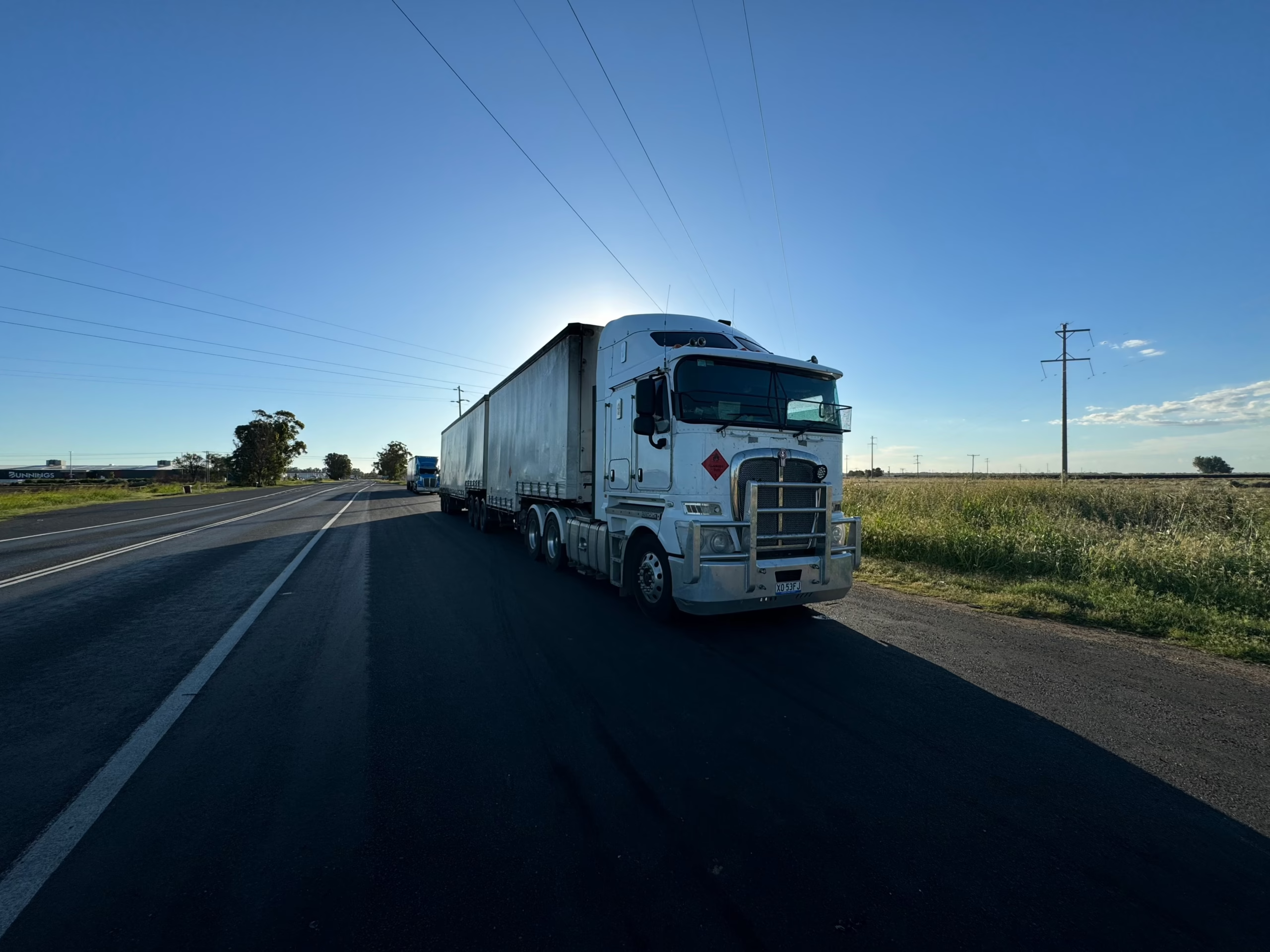
On site diesel fuel delivery services can be trusted, so generators, excavators, and backup power systems are much less prone to waiting around until fuel arrives. Rather than dispatching an employee to a remote station or carting with jerry cans on a sweltering afternoon, a prearranged supplier monitors tank levels and fills them to the brim before they empty.
A study by the Associated General Contractors of America revealed that approximately half of the companies experience a delay in the project due to longer lead times or shortages and indicates how a single unavailable resource can hold up a schedule. One of the preventable causes of those disruptions is scheduled fuel delivery, which aids in ensuring important equipment is maintained with fuel and is ready to work.
In the case of crews who have multiple machines at the same time, a forgotten refill may easily end up as a wasted afternoon.
2. Reduces Risk of Fuel Theft and Onsite Storage Issues
Diesel that is stored in bulk tanks overnight is a prime target, particularly in remote or unattended locations. Planned supply reduces that margin of chance, as tanks have lower reserves, and resupply occurs on a fixed cycle instead of in big, alluring caches. Neither is fuel theft a minor issue.
The National Insurance Crime Bureau has recorded organized diesel theft rings at job sites and fuel pumps, highlighting the fact that big reserves can be a great source of unwanted publicity. Smaller, scheduled shipments also provide site managers a better picture of the amount of fuel delivered and consumed, reducing the uncertainty and exposure involved in maintaining large on-site reserves.
The easy access can also be detected because of predictable delivery windows.
3. Saves Time and Labor Costs
When a worker is sent off-site to buy diesel, wait in a line, and ferry it back, he consumes paid time that could be spent in actual production. Delivery on time, which is scheduled, eliminates that detour completely, as fuel appears in the right place and at the right time.
Crews remain on task, and supervisors do not have to spend so much time on fuel-run coordination between other routine duties. The location also does not have the minor yet persistent drain of man-hours spent in logistics. Those hours saved over a multi-week project can save expenses incurred through labor and put the budget in a more foreseeable state, allowing the staff to do the work that actually advances the project rather than spend time running errands to buy diesel.
Such reliability is accumulated in a longer project.
4. Supports Proper Fuel Storage and Equipment Performance
Clean diesel stored properly facilitates good engine work. Water, microbial growth, or sediment, on the other hand, may cause poor fuel maintenance over time. Planned delivery can contribute to improved fuel turnover by assisting locations in not maintaining unnecessarily large stocks in storage over long periods.
Regular top-offs are used to keep the fuel fresh instead of lying idle over weeks, which helps to maintain more consistent performance of equipment at locations where machines are run daily under harsh conditions. Water or sediment contamination may also result in expensive repairs in the future for equipment owners.
In equipment that operates long hours with heavy loads, clean, well-stored fuel may be beneficial in maintaining consistent operation and minimizing fuel-related maintenance issues throughout a busy season.
5. Supports Compliance and Environmental Safety
On-site storage of diesel is associated with regulatory liabilities, such as the prevention of spills as well as the appropriate containment. Regular shipment with trained providers can help decrease over-filling, leakage, and mishandling, which can lead to fines or environmental damage.
The Environmental Protection Agency is concerned with the environmental impact of diesel and advocates for minimizing emissions. Regular supply can also streamline fuel documents, and handling activities and documentation can be easily presented in case of an unexpected regulatory visit.
Conclusion
The fuel may not be the focus of attention until it depletes at an inappropriate time. This is precisely why a planned strategy is such a significant difference in any busy work site. Since it can help minimize downtime and theft risk, and facilitate good storage and compliance, scheduled on-site diesel fuel delivery can transform a mere necessity into a true benefit.
Crews are more focused, deadlines remain realistic, and project budgets are more predictable. In the case of busy jobsites, a reliable delivery schedule may be an easy solution to make fuel management predictable and less disruptive.