
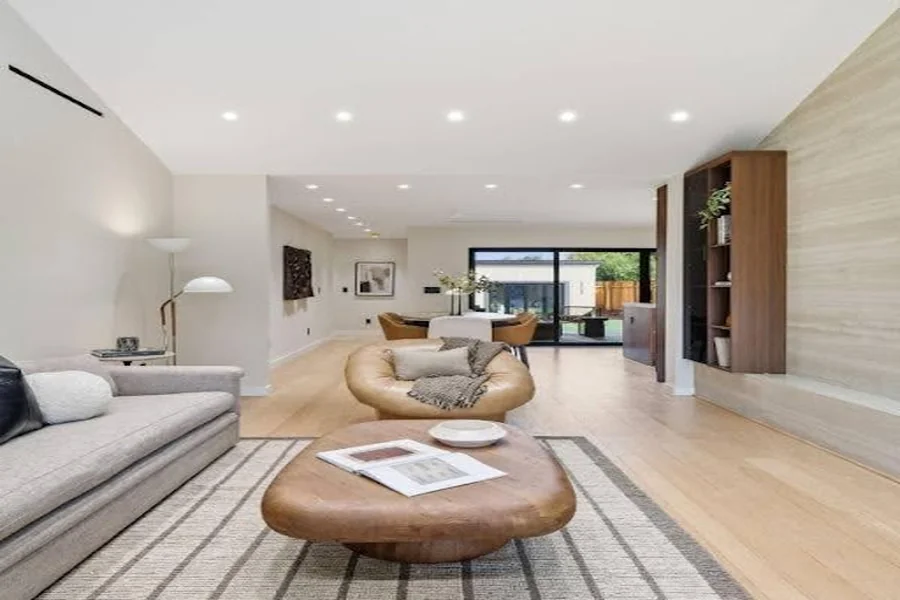

Few phrases work harder in American real estate than good bones. Agents deploy it to soften dated listings, buyers repeat it to justify optimism, and renovation shows have turned it into an incantation spoken over every fixer-upper. Like most durable idioms, it borrows from the body: bones are the deep structure that outlasts surface change, the frame that everything else hangs on. The expression entered common usage through architecture criticism before spreading to houses generally, and its persistence reflects a truth every contractor knows. Surfaces are negotiable; structure, for better or worse, is destiny.
What the Bones Actually Are
Strip the idiom to its literal referents and a checklist emerges. A house with good bones has a sound foundation without significant settling or water intrusion, straight framing with true walls and level floors, a roof structure holding its geometry, and a footprint whose proportions accommodate modern living. To these, working professionals add the systems that behave like bones even though they hide in walls: electrical service with capacity to grow, plumbing that has not fossilized, and drainage that moves water away from everything above. None of this photographs well. All of it determines what a renovation can become.
Why the Distinction Governs Budgets
Renovation economics split cleanly along the bone line. Cosmetic work, cabinets, counters, flooring, paint, tile, delivers visible transformation at predictable cost. Structural work, foundations, framing corrections, system replacements, consumes budget invisibly: ten thousand dollars of foundation repair looks like nothing happened. The classic remodeling heartbreak is buying a charming house whose surfaces disguise skeletal problems, then spending the kitchen budget underground. The classic triumph is its mirror image: an ugly house with excellent bones, where every dollar lands on surfaces buyers and families actually experience.
Reading a House Like a Professional
Assessing bones does not require a hard hat, only attention aimed below the finishes. Doors that swing open on their own or refuse to latch hint at settling. Stair-step cracks in exterior masonry, sloping floors, and windows painted shut in racked frames tell structural stories. In bathrooms, soft flooring near fixtures whispers about long-term leaks. A professional inspection converts these whispers into findings, and a design-build consultation converts findings into numbers. San Jose’s mid-century housing stock, now sixty to seventy years old, generally offers honest framing and generous lots, precisely the bones worth building on, with system upgrades as the predictable price of admission.
The Idiom’s Telling Cousins
Real estate keeps a whole family of body-and-building expressions, and their contrasts sharpen what good bones means. A house with curb appeal wears its virtue on the outside, no promises about what is beneath. A money pit, the idiom good bones exists to warn against, consumes investment without ever becoming sound. Lipstick on a pig names the renovation strategy of surfaces over substance, the exact inversion of the bones-first philosophy. That the language clusters this way is no accident: buyers and builders have always needed vocabulary for the gap between what a house shows and what it is, and the idioms encode generations of expensive lessons.
The practical takeaway from the whole word family is a single discipline: evaluate structure and surfaces separately, pay for the first, and let the second be where creativity and personality live.
Building on Good Bones
When the skeleton checks out, the idiom pays its dividend: transformation concentrates where life happens. The postwar ranch opens into a modern great room; the compartmentalized kitchen becomes the family’s center of gravity. Bathrooms, the rooms where structure, plumbing, and waterproofing meet most intimately, reward professional execution above all, which is why experienced bathroom remodeling San Jose crews treat what is behind the tile as seriously as the tile itself.
The partner matters because bones and surfaces are one conversation, not two. A seasoned construction contractor California families trust will assess structure honestly, sequence systems before finishes, and keep the budget landing where it shows.
The saying also frames the renovation timeline honestly. Bone work happens first and disappears; surface work happens last and gets photographed. Families who understand the sequence stop experiencing the quiet early weeks as slow progress and start reading them correctly, as the part of the project that decides how long everything visible will last and how well it will hold its value.
An Idiom Worth Taking Literally
Primework Construction has spent over twelve years proving the saying out across the South Bay: evaluating what houses are made of, telling families the truth about it, and then executing whole-home remodels, kitchens, and bathrooms that make good bones visible. Licensed, insured, bonded, and rated five stars across hundreds of projects, the team turns real estate’s favorite expression into a working method. Good bones are only potential. Craftsmanship is what keeps the promise.