
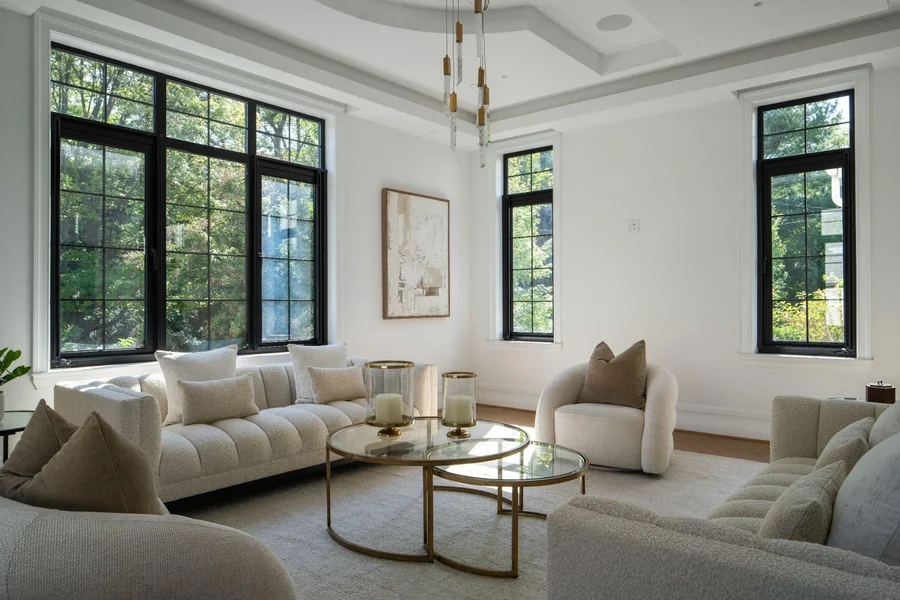

Walk into two homes kept at exactly the same temperature and they can feel completely different. One may seem sterile, exposed, or somehow unwelcoming, while the other immediately makes you want to sit down and stay awhile. We often describe the second home as “warm,” even though we are not talking about the thermostat at all.
That language is revealing. Warmth has become shorthand for a collection of sensations associated with comfort, familiarity, safety, and belonging. A home feels warm when its colors, materials, lighting, objects, and spaces combine in a way that seems welcoming rather than merely functional. Understanding why helps explain why some technically beautiful interiors still feel cold while much simpler homes can feel instantly inviting.
Physical Warmth and Emotional Comfort Have Long Been Connected
The connection between temperature and emotion is deeply embedded in everyday language. We describe friendly people as warm, distant personalities as cold, enthusiastic welcomes as warm, and uncomfortable interactions as chilly.
Home naturally inherits those associations. For much of human history, literal sources of warmth were also gathering points. Fire meant heat, light, cooked food, protection, and a place where people could remain together. Even in homes with modern heating, the visual idea of a hearth still carries much of that emotional meaning.
This helps explain why a sauna, fireplace, steaming bath, or sunlit corner can seem comforting beyond its actual temperature. Someone exploring a saunalife cube sauna review, for example, may be interested in the physical experience of heat, but the broader attraction of a dedicated sauna space can also involve retreat, relaxation, privacy, and the feeling of temporarily withdrawing from everyday demands.
Warmth, in other words, is rarely experienced through temperature alone.
Lighting Can Make a Room Feel Emotionally Warmer
Few elements change the atmosphere of a home as quickly as lighting. Bright overhead illumination can be useful when cleaning a kitchen or working at a desk, yet the same lighting may feel harsh when people are trying to relax in the evening.
A room usually becomes more inviting when light comes from several sources. Table lamps, floor lamps, wall lights, and other lower-level sources create pockets of illumination rather than exposing every surface equally.
The color of that light matters too. Softer, warmer-toned lighting resembles the visual conditions traditionally associated with sunset, candles, and firelight. Those cues can make a space seem more intimate even though the air temperature has not changed.
This is why restaurants, hotel lounges, and living rooms often use lighting very differently from offices or supermarkets. The goal is not simply visibility. It is the atmosphere.
Texture Gives the Eye an Idea of Comfort
We can respond to texture before physically touching anything. A thick wool blanket looks warmer than polished metal. A deep rug suggests softness in a way that a bare tiled floor does not. Linen, wood, leather, velvet, woven baskets, and other tactile materials give the eye information about how a room might feel.
Layering these surfaces can therefore create visual warmth.
A sofa with cushions and a throw usually appears more inviting than the same sofa completely bare. Curtains soften windows, rugs break up large expanses of hard flooring, and natural wood can make an otherwise minimal room feel less clinical.
This does not mean a warm home has to be cluttered or traditionally decorated. Minimal interiors can feel extremely welcoming when they include enough variation in material, surface, and softness. The distinction is often between simplicity that feels intentional and emptiness that feels unfinished.
Personal Objects Turn a House Into Someone’s Home
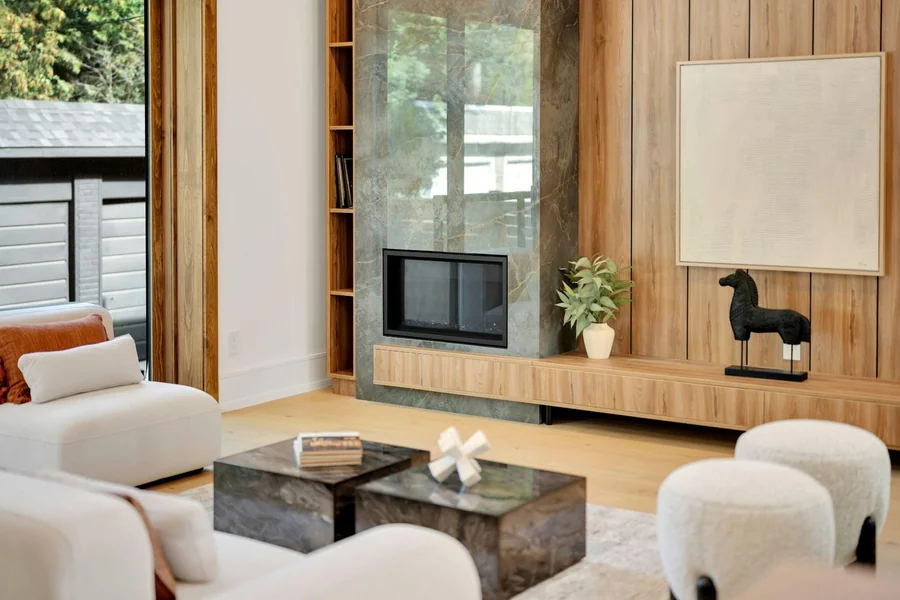
A perfectly styled room can still feel strangely impersonal. Sometimes what is missing is evidence of the people who actually live there.
Books that have clearly been read, photographs, artwork, travel souvenirs, children’s drawings, inherited furniture, and objects connected to hobbies give a home a history. They tell visitors that the space developed through real life rather than appearing fully formed from a showroom.
These objects do not need to be valuable. In fact, some of the most emotionally important things in a home may have almost no financial value.
Their significance comes from association. An old chair can remind someone of a grandparent. A chipped bowl may have survived several moves. A framed photograph can instantly return a family to a particular holiday.
When we call such environments warm, part of what we are responding to is visible human presence.
Warm Homes Make Social Interaction Easier
The arrangement of a room can influence whether it encourages people to interact or quietly pushes them apart.
Consider a living room where every chair faces a television compared with one where seating also allows people to face one another. Both arrangements may be physically comfortable, but they support different types of behavior.
Dining tables, kitchen islands, fireplaces, outdoor seating areas, and even well-positioned armchairs can become natural gathering points. A home starts to feel welcoming when it provides obvious places where people can sit, talk, eat, and spend time without needing to formally organize the experience.
Scale matters as well. Enormous empty spaces can sometimes feel exposed, while smaller or carefully divided areas create a stronger sense of enclosure. That feeling of being comfortably contained is one reason reading corners and intimate dining spaces can feel particularly cozy.
Familiarity Can Matter More Than Perfect Design
Warmth is also personal because everyone brings different memories into a room.
One person may associate polished wood furniture with childhood family gatherings. Another may respond to the smell of coffee, old books, a particular type of cooking, or the sound of a familiar floorboard. These details would never appear on a standard interior-design checklist, yet they can strongly influence whether a place feels like home.
This helps explain why copying a fashionable interior does not guarantee the same emotional effect. A beautifully designed room can reproduce colors, furniture, and lighting, but it cannot automatically reproduce someone else’s memories.
The most comfortable homes usually develop gradually. Objects are added, moved, repaired, inherited, and replaced. The space becomes connected to routines and experiences, giving it a character that cannot be created through decoration alone.
“Warm” Is Ultimately a Word for Belonging
When people describe a home as warm, they are often describing how easily they can imagine relaxing there. The space seems to offer permission to sit down, remove a coat, have a conversation, eat something, or stay longer than originally planned.
Temperature can contribute to that feeling, but it is only one ingredient. Lighting creates intimacy. Texture suggests physical comfort. Personal possessions provide history. Furniture arrangements encourage connection. Familiar objects and routines establish emotional security.
That is why an immaculate room can feel cold at a comfortable temperature while an imperfect home can feel wonderfully warm on a winter morning.
The word survives because physical warmth provides such an effective metaphor for what we want a home to give us. We want shelter, certainly, but also familiarity, relaxation, privacy, connection, and the sense that we are somewhere we can safely lower our guard. When a home provides those things, “warm” somehow remains the word that captures them all.