
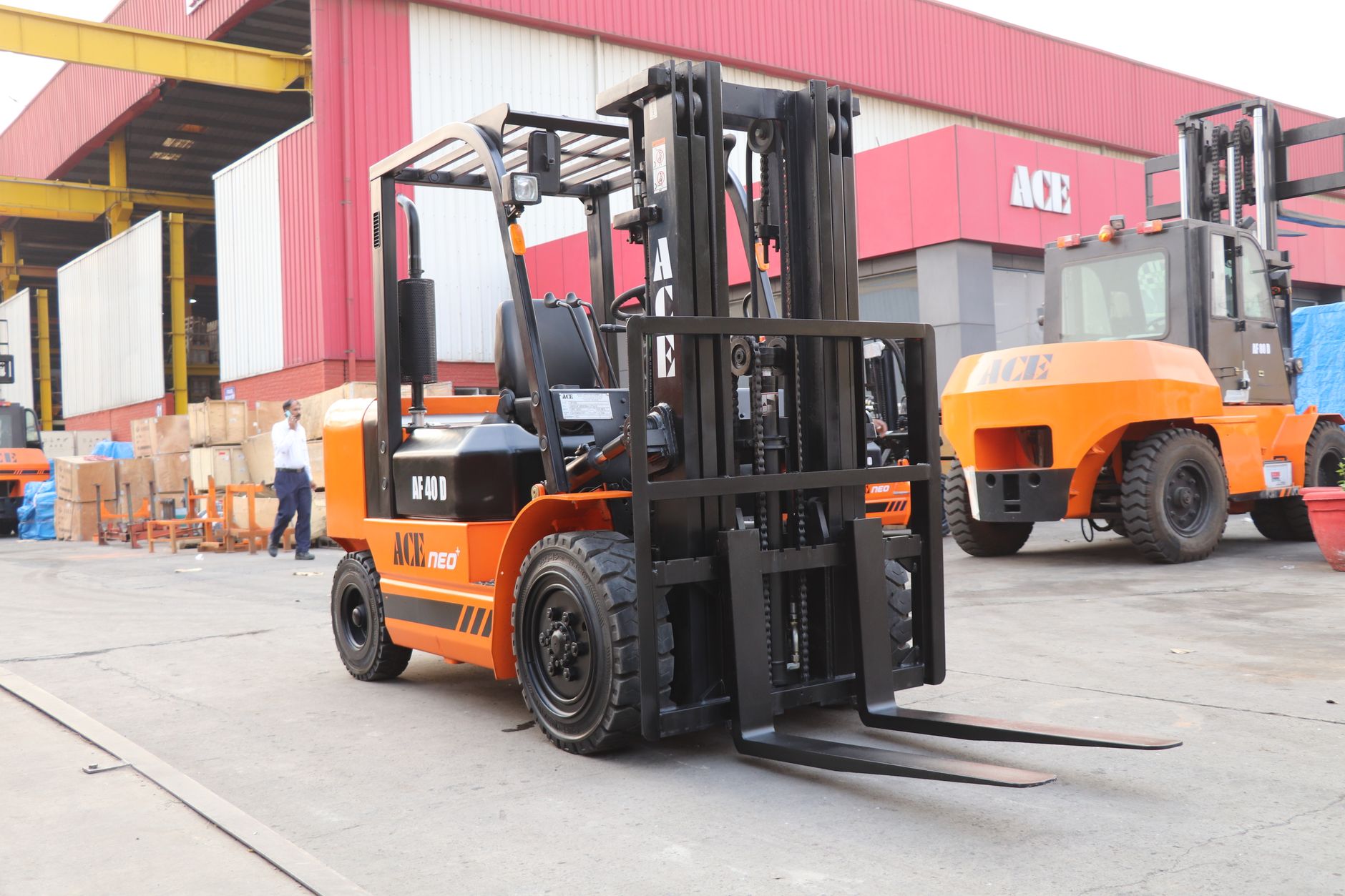

Ask a handful of Melbourne businesses which forklift power source they'd choose without hesitation, and LPG comes up more often than diesel or electric alone. It's not the flashiest option on the market, but it's earned its reputation the practical way, by covering more scenarios comfortably than either alternative manages on its own.
Understanding exactly why LPG forklifts hold that position, and where they genuinely fall short, makes for a far more informed decision than defaulting to whatever's familiar.
The Genuine Benefits of LPG Power
A few specific strengths explain why LPG remains such a popular choice across mixed-use operations:
- Fast refuelling. Swapping a gas bottle takes minutes, a genuine advantage over the hours some electric batteries need to recharge between shifts.
- Consistent power delivery. Unlike a battery that gradually loses charge, LPG power output stays steady from the first lift of the day to the last.
- Indoor and outdoor flexibility. With proper ventilation, LPG units move comfortably between a warehouse floor and an outdoor yard without missing a beat.
- Lower upfront cost than electric, while still running cleaner than diesel for most everyday applications.
- Continuous operation without downtime. Multi-shift businesses benefit enormously from the ability to swap a bottle in minutes rather than planning around a lengthy recharge cycle.
For businesses that don't fit neatly into a purely indoor or purely outdoor category, this flexibility is often the deciding factor.
Where LPG Genuinely Falls Short
No power source suits every situation, and LPG carries a few genuine trade-offs worth weighing honestly.
Enclosed, poorly ventilated spaces are a real limitation. LPG combustion produces exhaust, and while modern engines run considerably cleaner than older models, enclosed spaces without adequate ventilation aren't the ideal environment for LPG equipment.
Ongoing fuel costs can add up for businesses running forklifts constantly, since LPG still costs more per operating hour than electricity, even if it's typically cheaper than diesel.
Noise levels sit higher than electric alternatives, a genuine consideration for noise-sensitive environments like retail-adjacent warehousing or facilities near residential areas.
Maintenance requirements are generally higher than electric units, since LPG engines have more moving parts and combustion-related components that need regular attention.
Weighing New vs Used LPG Forklifts
For businesses browsing used forklifts for sale rather than committing to new, LPG units are generally a safer bet than more complex electric equipment, since the underlying engine technology is well understood and parts availability tends to be strong across most common models. That said, the same buying diligence applies regardless of power source: checking service history, inspecting the fuel system specifically, and confirming genuine parts are readily available for that particular make and model.
A well-maintained used LPG forklift can offer excellent value, often delivering years of reliable service at a fraction of the cost of buying new, provided the fuel system and general mechanical condition have genuinely been looked after by the previous owner.
Matching LPG to the Right Application
LPG tends to suit certain operations particularly well:
- Mixed indoor-outdoor warehouses, where flexibility between environments matters more than specialising in one
- Multi-shift operations, where fast refuelling keeps output steady without lengthy interruptions
- Businesses without dedicated charging infrastructure, since LPG only requires bottle storage and swapping, not electrical setup
- Operations with moderate, rather than extreme, outdoor demands, where diesel's extra power isn't strictly necessary
Businesses running purely indoor, single-shift operations may find electric a better long-term fit, while those facing genuinely heavy-duty outdoor work might lean toward diesel instead. LPG earns its place specifically in the space between those two extremes.
Making an Informed Decision
Choosing LPG shouldn't come down to habit or what a business has always used. It's worth genuinely weighing the fast refuelling and flexibility against the ventilation requirements, ongoing fuel costs, and maintenance needs that come with it, then comparing that honestly against what electric or diesel would offer for the same application.
For many Melbourne businesses running a genuine mix of indoor and outdoor work, that comparison tends to land squarely in LPG's favour. For others with more specialised needs, purely indoor operations or genuinely heavy outdoor demands, a different power source might serve the business better despite LPG's popularity.
Getting the Choice Right
The forklifts using LPG power have gained their name due to their versatility, and not because of their being flashy or cheap. Getting to know about both the advantages and drawbacks will lead you towards the forklift which actually suits your work style, as opposed to the common notion that LPG works well in all situations.