
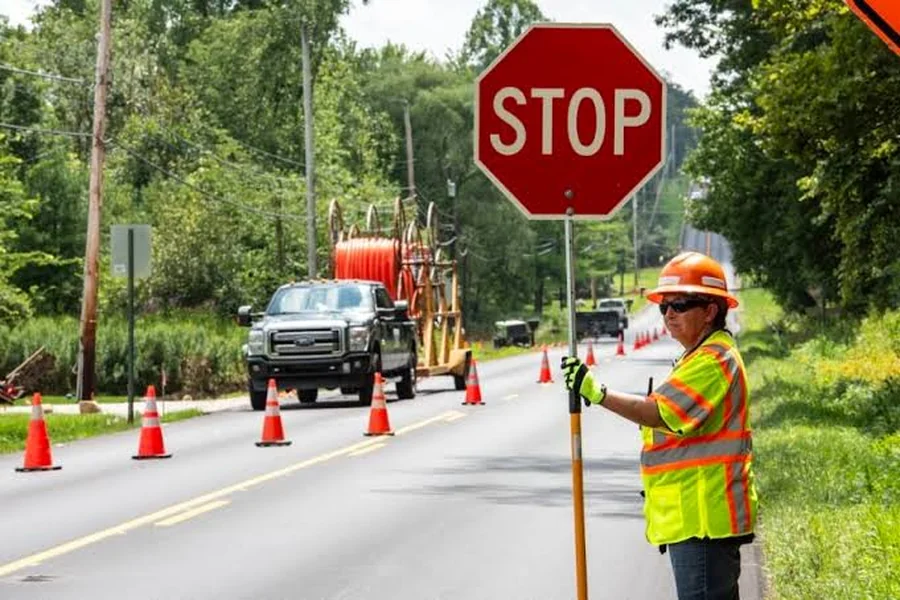

Construction zones can change a familiar road within a matter of days. Pavement may be milled, lanes can shift, temporary surfaces can replace finished asphalt, and materials or equipment may appear close to active traffic. Those changes affect every road user, but motorcycles can be especially sensitive to surface irregularities because they rely on two relatively narrow tire contact patches for stability. FHWA-supported work-zone guidance identifies pavement degradation, reduced friction, abrupt elevation changes, and temporary geometric changes as particular concerns for motorcyclists.
After a construction-zone crash, a Chicago motorcycle accident lawyer may need to examine more than the rider’s speed or steering immediately before the fall. Temporary traffic-control plans, warning signs, pavement conditions, photographs, contractor records, and the location of construction equipment may help show whether an unexpected road condition contributed to the loss of control. The following six hazards can be particularly difficult for a rider to manage.
1. Milled or Uneven Pavement Can Pull a Motorcycle Off Line
Road resurfacing often begins by removing the upper layer of pavement. The resulting milled surface can contain longitudinal grooves, ridges, rough patches, or changes in texture. FHWA-supported motorcycle work-zone guidance specifically identifies longitudinal grooves from pavement milling and rough or broken pavement as conditions that can create concerns for riders.
A motorcycle may feel less settled on this type of surface because the tires can track grooves or react to irregular ridges. The effect can become more noticeable when a rider is braking, turning, or moving between milled and finished pavement. NHTSA has also recognized that the inherent instability of two-wheeled motorcycles makes them more vulnerable than four-wheeled vehicles to uneven road surfaces.
2. Loose Gravel and Construction Debris Can Reduce Tire Grip
Grinding, excavation, paving, and material hauling can leave gravel, sand, dirt, or small pieces of debris on the roadway. These materials may reduce friction between the tires and pavement, particularly when a motorcycle is cornering or braking. FHWA’s motorcycle work-zone guidance identifies loose gravel, sand, and soil as examples of conditions that can degrade pavement friction.
NHTSA likewise advises riders that gravel and slippery road surfaces can be hazardous and cautions against sudden braking or turning on reduced-traction surfaces. A patch of loose material that creates only minor vibration for a passenger vehicle can cause a motorcycle tire to slide laterally, potentially leaving the rider with very little time to recover.
3. Temporary Steel Plates Can Become Slippery or Create a Height Change
Contractors sometimes place steel plates over excavations so traffic can continue using a road while work is incomplete. These plates introduce a surface with different friction characteristics from asphalt and may also create an abrupt edge where the steel meets the roadway. Both conditions can affect motorcycle stability.
The current Manual on Uniform Traffic Control Devices includes a STEEL PLATE AHEAD warning sign specifically because temporary steel plates can make a roadway uneven and can become slippery during wet weather. FHWA’s motorcycle work-zone guidance also identifies steel plates under both reduced-friction hazards and pavement discontinuities, showing that the same plate can present more than one control problem for a rider.
4. Uneven Lanes Can Create a Difficult Edge Between Travel Surfaces
Roadwork can leave adjoining lanes at different elevations when one lane has been resurfaced and another has not. A motorcycle crossing that edge at a shallow angle can be affected more sharply than a vehicle with four wheels. The front tire may contact the raised edge before it can climb across it cleanly, particularly when the difference in pavement height is substantial.
The MUTCD recognizes this temporary condition through the UNEVEN LANES warning sign, which FHWA says is intended for operations that create an elevation difference between adjacent lanes that remain open to traffic. Motorcycle work-zone guidance separately identifies uneven lanes and abrupt elevation changes as rider-specific concerns. Advance warning can be significant because it gives a motorcyclist time to reduce speed and choose a safer path before encountering the transition.
5. Temporary Lane Shifts Can Require Faster Steering Adjustments
Construction may move traffic away from its normal alignment through temporary curves, tapers, narrowed lanes, or shifted travel paths. FHWA identifies changes in roadway geometry, including travel-lane alignment shifts, as one of the principal categories of work-zone concerns for motorcycles and bicycles.
A lane shift can become more demanding when it occurs alongside barriers, uneven pavement, construction equipment, or reduced shoulder space. Riders may have less room to correct if they enter the transition too quickly or encounter a surface problem during the steering maneuver. Temporary traffic-control devices and pavement markings therefore need to give road users clear guidance through the altered alignment, particularly when the normal path is no longer obvious.
6. Construction Vehicles Can Enter Traffic From Unexpected Locations
Work zones often include dump trucks, loaders, excavators, maintenance vehicles, and contractor pickups entering or leaving the active roadway. Their access points may not resemble ordinary intersections or driveways. A truck can emerge from behind barriers or equipment, while a rider approaching the area may have limited information about where construction traffic will cross the travel lane.
The risk can increase when sight distance is restricted by machinery, temporary barriers, stored materials, or the changing roadway layout. A rider who brakes or swerves suddenly to avoid a work vehicle may then encounter one of the surface hazards already present in the construction zone. FHWA work-zone guidance emphasizes the need to make hazards identifiable and visible to motorists and to provide traffic information in a manner that helps drivers understand changing conditions before reaching them.
Construction-Zone Motorcycle Crashes Often Require a Closer Look at the Roadway
A rider losing control in a construction zone does not automatically mean that the motorcycle was traveling too fast or that the rider made an improper maneuver. Milled pavement, loose gravel, steel plates, elevation differences, abrupt lane shifts, and construction traffic can each alter the amount of traction or maneuvering room available within seconds.
Reconstructing the crash may therefore require examining the road as it existed on that particular day, not simply how the roadway appears after construction is completed. Photographs, traffic-control layouts, contractor logs, warning-sign placement, pavement measurements, witness accounts, and motorcycle damage can help establish whether a temporary work-zone condition contributed to the rider’s loss of control.