
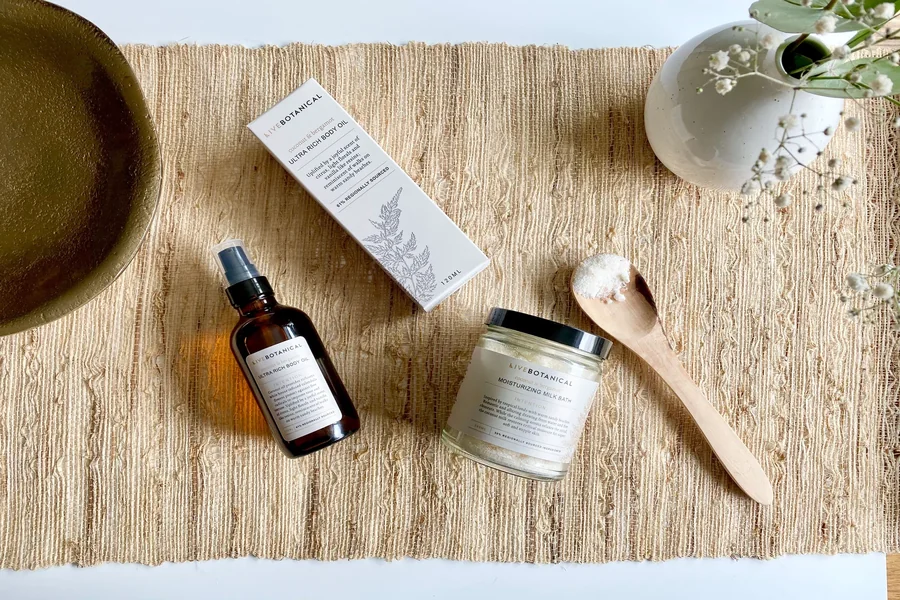

Natural products often have a short path from plant to jar, and that is exactly their strength. At the same time, it makes them more sensitive to outside influences. Light and oxygen can contribute to discoloration, scent changes, or a less stable composition. Anyone working with botanical extracts, essential oils, or vitamins is well advised to factor packaging into the stability plan.
Biophotonic glass is deep purple glass that filters out much of the visible light spectrum. It is used as an extra protective layer for products where light poses a quality risk. Think of it as a practical choice within natural product packaging, alongside formulation and storage. It helps keep conditions inside the package more constant.
Light Protection as Part of Quality Management
With transparent glass, the contents are exposed to a lot of light. Amber glass blocks part of it, but still lets a significant portion of the spectrum through. Purple glass is chosen specifically because it filters out more visible light. This can matter for ingredients that are sensitive to photochemical reactions or oxidation.
In the market, this type of packaging is often referred to as violet glass. You see it used by brands that want to protect product quality while also aiming for a recognizable, premium look.
When Purple Glass Is Worth Considering
Not every product has the same need for light protection. Purple biophotonic glass is especially relevant for:
- Essential oils and aromatherapy blends
- Serums and facial oils containing active botanicals
- Tinctures and herbal extracts
- Supplements where light can affect certain nutrients
- Premium powders or herbal blends produced in small batches
If you are unsure whether the effect will be significant enough for your product, run a simple comparison test. Fill the same batch into different materials and store them under comparable conditions. After a few weeks or months, compare color, scent, and any relevant measured values.
Selection Criteria for Jars, Bottles, and Closures
Packaging works as a system. The glass matters, but the size and closure also determine how the product behaves during use. Here are practical points for R&D, QA, and procurement:
- Formula and sensitivity: which ingredients degrade due to light or oxidation?
- Opening frequency: a cream gets opened more often than a tincture, which affects air exposure.
- Dosing method: pipette, pump, spray, or screw cap, matched to viscosity and ease of use.
- Headspace: less air inside the package can help limit oxidation.
- Transport and storage: breakage risk, secondary packaging, temperature, and light exposure in the warehouse.
- Scaling up: choose formats you can source consistently as you grow.
Common formats for purple glass jars and bottles work best when you assess jar, bottle, and closure as one system, matched to use, logistics, and the level of protection you need.
Sustainability and Brand Experience
Glass is widely recyclable and is seen by many consumers as a high quality, clean packaging choice. Combined with reuse or refill concepts, it can be a logical step toward less waste.
The purple color also helps your product stand out. It works best when paired with a grounded story about light protection and quality assurance.
Summary
Biophotonic purple glass is especially worth considering when your formula is light sensitive and you want to keep product quality consistent for as long as possible. With a short test, a suitable closure, and well thought out logistics, you can make a choice that works both functionally and for your brand.