
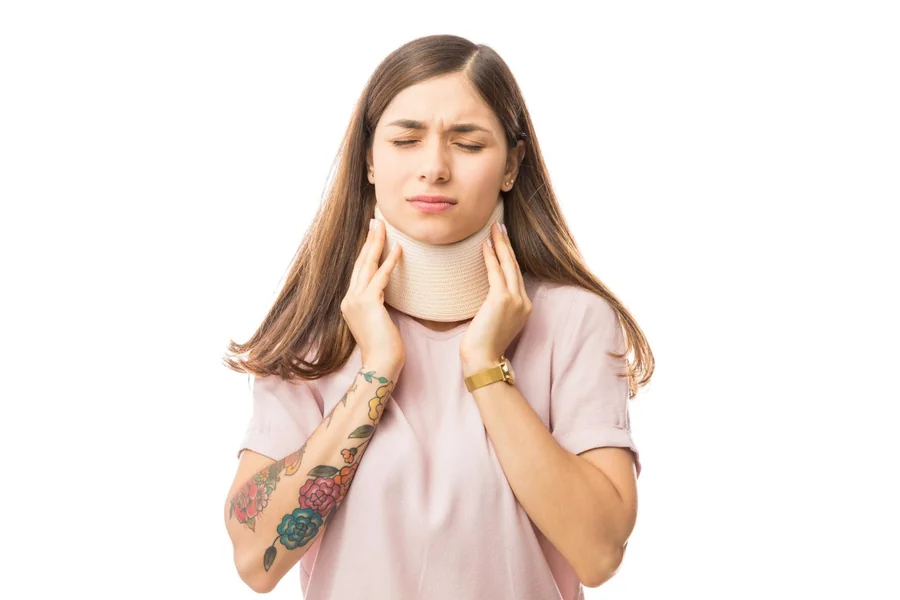

People often think about the neck braces as a rigid and hard collar which is generally seen in hospitals. But, there is another type of neck brace which is commonly found prescribed in everyday recovery. It is often known as the soft cervical collar or soft foam cervical support.
Soft foamy cushion wraps around the neck area to provide stability. It is lightweight, comfortable as well as easy to wear. Thus, making it a go to solution for the mild to moderate neck issues.
Let’s take a closer look at what they exactly are, when they’re used and how to choose the right one if you ever need to buy one.
Let’s explore!
What Is A Soft Cervical Collar?
The soft neck collar is foam wrapped with a breathable fabric. It provides gentle support while allowing a limited range of neck movement. It acts as a reminder which minimizes neck motion rather than complete immobilization of the cervical spine.
It generally works by following mechanism:
- Cushions the neck
Reduce the full weight of your head from your neck muscles.
- Limits movement
Restricts bending and extension.
- Acts as a reminder
Gently stops you from making sudden painful neck movements.
When is Soft Collar Generally Used?
- Cervical Spondylosis
Relieves tension around the arthritic neck joints and reduces stiffness.
- Nerve compression
Reduces pressure on nerves in the neck which eases tingling sensation.
- Whiplash Symptoms
Used for a few days immediately following a minor accident or sports injury to let inflamed muscles rest.
- Acute sprains
Relaxes the pulled muscles and ligament sprains from sudden twists.
- Long duration tasks
Worn during activities that strains the neck such as prolonged desk work or long drives.
- Step-down support
Used in later stages of spinal surgery recovery after a patient transitions out of a rigid hard collar.
5 Key Benefits Of A Soft Cervical Collar
1. Easy Use
It includes hook and loop adjustable fastening that allows you to slip them on and off easily.
2. Comfy in Every Sense
Soft collars have less bulk. They are lightweight making the user more comfortable for daily use compared to rigid collars.
3. Gentle Support
They help reduce muscle fatigue and provide mild stabilization without completely restricting movement.
4. Lightweight Design
Their lightweight structure makes them suited for temporary use during routine tasks.
5. Encourages Healing
Limiting sudden neck movements allows strained muscles and ligaments to recover while maintaining some natural mobility.
Factors To Look For While Buying A Neck Belt
- Right Size and Height
Measure the neck circumference and the distance from the jawline to the sternal notch while keeping your head straight with the help of tape.
A short collar causes head sagging, while a tall one forces your chin upward, thus straining your spine.
- Breathability
Opt for a collar wrapped in cotton or double covered lycra fabric. High density polyurethane foam with ventilation eyelets helps circulate air, minimizes heat and sweat buildup.
- Contoured Design
Look for an anatomical structure that fits the chin comfortably. Flat straight foam collars often slide around the jaw.
- Fastener Adjustability
Choose a heavy duty velcro closure. A long strip allows micro-adjustments accordingly.
How Long To Wear The Neck Collar?
| Condition / Situation | Typical Wearing Duration | Important Guidelines |
| Acute Whiplash | 48 to 72 hours max | Transition to gentle
Active neck movements after 3 days to promote faster healing |
| Pinched Nerve or Radiculopathy | 1 to 2 weeks | Use primarily during acute swelling to reduce pressure on the nerve |
| Post-Surgery Recovery | 4 to 6 weeks (or as prescribed) | Strictly follow your surgeon’s timeline, as fusions require precise immobilization |
| Arthritis Flares or Spondylosis | Intermittent use only | Wear only during peak pain episodes or while doing demanding activities |
| Daily Routine for General | 1 hour on, 30 mins off | Remove the collar periodically throughout the day to prevent muscle weakness |
| Sleeping & Showering | Remove completely | Unless explicitly told otherwise by a doctor, do not wear the collar to bed or in the shower |
Care and Maintenance Tips
- Regular Care
- Hand wash in cold or normal water
- Use a mild and chemical free detergent
- Avoid using washing machines
- Do not use harsh scrub brushes
- Avoid Muscle Atrophy
Wearing a collar continuously for more than 2 to 4 weeks can cause secondary damage, including severe neck muscle weakening, stiffness and permanent psychological dependence.
- Test the Fit
The brace should feel snug and supportive but must never restrict your natural breathing, ability to swallow comfortably, or regular blood flow.
Wrapping Up
Cervical collars provide a practical and comfortable way to support recovery from the minor injuries, strains or sprains in the neck joints. They strike a helpful balance between gentle stability and contoured fit. It leads to assistance without rigidity easing the stiffness present.
If you’re considering buying one, take time to understand its use as well as its maintenance. Consider the right fit and material according to your requirements. Don’t have a second thought while seeking professional help to choose the best soft cervical collar for your neck. It is an aiding tool which can fasten up the recovery process without escalating the discomfort any further.