
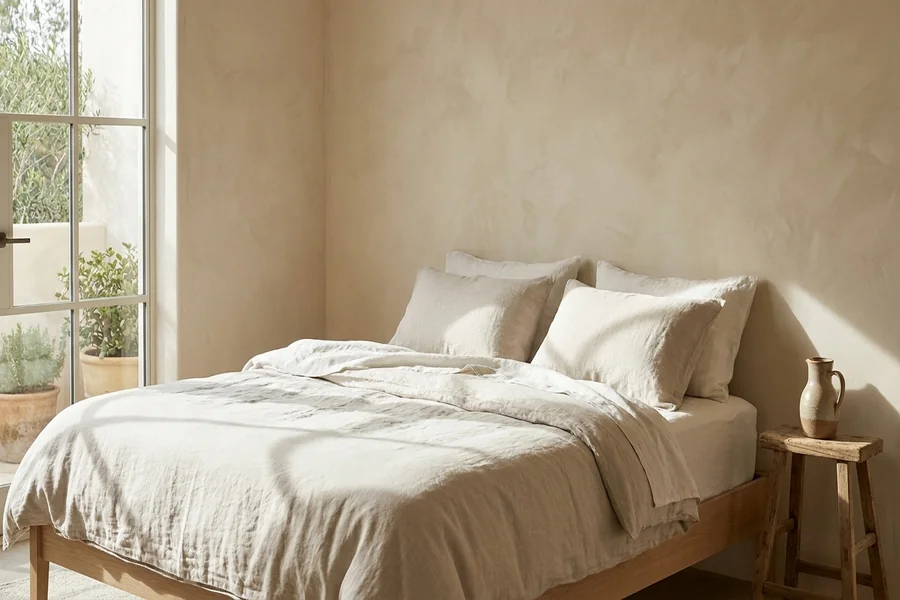

In an era defined by constant connectivity and sensory overload, the bedroom must serve as the ultimate sanctuary—a physical boundary between the demands of the day and the restorative power of the night. We are witnessing a profound shift in how we curate our personal spaces. Modern lifestyle trends are moving away from cluttered, maximalist interiors that overwhelm the senses, pivoting instead toward intentional design that prioritizes mental decompression and holistic wellness. True minimalism in the bedroom is not about living with a stark, empty room; it is a biological necessity for deep, uninterrupted sleep. By stripping away the superfluous, we create a canvas where high-quality materials, ergonomic support, and atmospheric calm can take center stage.
The Psychology of Space: Why Visual Quiet Equals Mental Quiet
The connection between our physical environment and our internal state is deeply rooted in human biology. Studies in environmental psychology consistently demonstrate that visual clutter elevates cortisol—the body’s primary stress hormone. When our eyes scan a room filled with disorganized objects, it delays the onset of the parasympathetic nervous system’s “rest and digest” phase, keeping us in a state of low-grade hyperarousal. To achieve true rest, we must first engineer visual quiet.
The Command Position
Rooted in both ancient Feng Shui principles and evolutionary psychology, the placement of your bed is critical to how safe your brain feels while you sleep. Your bed should be positioned on the longest solid wall, offering a clear line of sight to the door without being directly in line with it. This placement satisfies a subconscious, evolutionary need for security, allowing the brain to fully power down without lingering vigilance.
Spatial Ergonomics
A truly minimalist bedroom requires effortless flow and spatial harmony. Interior designers and ergonomists recommend maintaining a minimum of 36 inches (3 feet) of walking clearance around the sides and foot of the bed. This negative space prevents a feeling of confinement and allows the room to “breathe,” fostering a subconscious sense of freedom and calm.
Hidden Storage Solutions
To maintain this visual quiet, it is essential to utilize closed, integrated storage solutions. Nightstands with solid drawers rather than open shelving, and under-bed storage that is completely concealed, keep the optic nerve relaxed. If an object does not serve an immediate purpose for sleep or relaxation, it does not belong in the bedroom.
The Core of Comfort: Investing in Ergonomic Sleep Surfaces
Because a minimalist room features fewer items, the elements that do remain must be of the highest caliber. The bed is the undeniable centerpiece of the room, and its construction dictates the quality of your physical recovery. When the visual noise is stripped away, the tactile experience of your bed becomes paramount.
Spinal Alignment and Firmness
The foundation of restorative sleep is neutral spinal alignment. The ideal firmness for the average sleeper—particularly back and combination sleepers—is Medium-Firm, generally rated between 5 and 7 out of 10 on the firmness scale. This sweet spot provides the necessary lumbar support to keep the spine straight while offering enough give for pressure point relief at the shoulders and hips.
Material Architecture
The architecture of your rest relies heavily on the support core of your bed. Zoned pocketed coils, which are individually wrapped, excel at isolating motion and providing targeted support to the heavier parts of the body. Natural latex offers a hypoallergenic, highly durable, and naturally cooling alternative. Talalay latex is often used for plush, buoyant comfort layers, while denser Dunlop latex provides an unyielding support core. Meanwhile, high-density memory foam is unparalleled for pressure relief, provided it is infused with cooling technology like copper, graphite, or gel to mitigate heat retention.
Taking the time to research and select a High-quality luxury mattress is the single most important investment you can make for your physical health. Whether you prefer the responsive support of premium innersprings or the contouring embrace of advanced foams, your sleep surface is the engine of your daily vitality. It is the one piece of furniture where compromise is simply not an option.
Tactile Minimalism: Temperature-Neutral Fabrics and Layering
Dressing the minimalist bed is an exercise in quality over quantity. The goal is to optimize thermoregulation while maintaining a clean, inviting aesthetic. Sleep science dictates that the ideal bedroom temperature for restorative rest is surprisingly cool, hovering between 60°F and 67°F (15.6°C – 19.4°C). Your bedding must support this delicate microclimate, working with your body rather than against it.
French Flax Linen
Renowned for its breathability and moisture-wicking properties, linen is naturally antimicrobial and becomes luxuriously softer with every wash. Its slightly rumpled texture offers a relaxed, organic aesthetic that perfectly complements minimalist spaces, providing visual interest without looking messy.
Percale Cotton
For those who sleep hot, a crisp percale weave is essential. Look for a classic one-over-one-under weave with a thread count between 200 and 400. Counterintuitively, higher thread counts (like 800 or 1000) often trap heat because the threads are packed so tightly together. A 300-thread-count percale allows for maximum airflow, mimicking the cool, tailored feel of a boutique hotel bed.
Merino Wool
Often utilized in luxury mattress Euro-tops or as a lightweight, textural throw at the foot of the bed, Merino wool is a natural phase-change material. It regulates body temperature dynamically, insulating you in the winter while pulling heat away from your body in the summer.
To soothe the optic nerve and unify the room’s design, stick to monochromatic or earth-toned palettes—soft stones, warm sages, or unbleached whites.
A Guide to Minimalist Bedding Materials
| Material | Best For | Key Benefits | Aesthetic Vibe |
|---|---|---|---|
| French Flax Linen | Year-round use, sweaty sleepers | Highly breathable, moisture-wicking, durable | Relaxed, organic, effortlessly chic |
| Percale Cotton | Hot sleepers, summer months | Crisp, cool to the touch, maximum airflow | Hotel-like, tailored, smooth |
| Merino Wool | Layering, temperature regulation | Phase-change properties, insulating yet breathable | Cozy, textural, sophisticated |
Circadian Lighting and Acoustic Control
True minimalism extends beyond what we can touch; it encompasses the invisible elements of a room—light and sound. Managing these environmental factors is crucial for signaling to your brain that it is time to transition into sleep.
Mastering the Light
Our circadian rhythms are deeply sensitive to light spectrums. Exposure to blue light (specifically in the 460-480 nm range) suppresses melatonin production, tricking the brain into thinking the sun is still up. A minimalist sleep sanctuary eliminates harsh overhead lighting in favor of layered, dimmable sources. Opt for warm, amber-hued bulbs ranging from 2700K to 3000K in low-wattage bedside sconces or lamps. Transitioning to this warm light 90 minutes before bed is a powerful cue for your body to begin winding down.
Acoustic Minimalism
A sparsely furnished room can sometimes suffer from echoing or acoustic bounce, making the space feel cold and hollow. To create a pin-drop quiet environment, introduce subtle sound-dampening elements that double as textural decor. Heavy linen blackout curtains and a dense, low-pile wool rug placed under the bed absorb errant sound waves. This creates a hushed, cocoon-like atmosphere that buffers against outside street noise and invites deep sleep.
Frequently Asked Questions
Can a minimalist bedroom still have color?
Absolutely. Minimalism does not mandate a sterile, all-white room. It simply requires intentionality. Soft, muted earth tones like terracotta, sage green, or warm taupe can add depth and warmth to a space without overstimulating the senses. The key is to avoid highly saturated, jarring colors.
How do I hide everyday clutter like charging cables and books?
Invest in a nightstand with integrated cable management and closed drawers. Keep only the book you are currently reading on the surface, perhaps alongside a small carafe of water. Stow everything else—lotions, journals, extra cables—neatly away out of sight.
How often should I replace my mattress to ensure optimal support?
Even the highest-quality materials have a lifespan. Generally, you should evaluate your mattress every 7 to 10 years. If you wake up with stiffness, notice visible sagging, or realize you sleep better in hotel beds than your own, it is time for an upgrade, regardless of the timeline.
Is 60°F really the best temperature for sleep? It sounds too cold.
While 60°F to 67°F is the scientifically backed ideal range for facilitating the core body temperature drop that initiates deep sleep, personal comfort varies. Start at 67°F and adjust downward. The goal is to keep the room cool while using breathable layers—like linen sheets and a wool blanket—to stay cozy without overheating.
Conclusion: Curating Your Personal Sleep Sanctuary
Designing a minimalist bedroom is not an exercise in deprivation; it is a deliberate act of curation. It is about stripping away the visual and physical noise of the modern world to make room for what truly matters: rest, recovery, and profound peace. By honoring the psychology of space, investing in uncompromising ergonomic support, and layering temperature-neutral textiles, you transform a mere room into a dedicated sleep sanctuary. Sleep is the foundation of a life well-lived—design your space to honor it, and your mind and body will thank you every morning.