


An illustration of someone holding a heavy bag might seem suitable for “carry the weight of the world.” However, learners could interpret the picture as an ordinary physical task rather than overwhelming responsibility. This problem occurs when idioms are represented through images. A picture may accurately reflect the words while missing their figurative meaning. When learners remember the illustration but misunderstand the expression, the visual explanation has failed.
Dictionary definitions explain idioms, but they rarely demonstrate every situation where an expression belongs. Creating illustrations also requires decisions about characters, settings, gestures, and emotions. Image generation offers another approach. For example, the Image 2.5 API can help explore visual interpretations through text-based image generation. However, producing an attractive picture is only one step. The main challenge is ensuring that its details communicate the intended meaning. This guide explains how to choose scenes, develop illustrations, recognise misleading details, and evaluate their educational usefulness.
Identify the Meaning Before Planning the Illustration
Begin by identifying what an expression communicates in conversation. Focusing immediately on individual words can produce an attractive but misleading picture.
Consider “walking on eggshells.” A literal illustration might show someone crossing a floor covered with eggs. Although memorable, this does not directly explain the figurative meaning: behaving cautiously to avoid upsetting someone.
A better illustration might show two colleagues discussing a sensitive mistake. One appears frustrated while the other speaks carefully. Their expressions demonstrate the tension behind the idiom.
Before creating an illustration, establish three details:
- Figurative meaning: What does the entire expression communicate?
- Typical situation: When would someone naturally use it?
- Emotional context: What feelings make the expression appropriate?
For “walking on eggshells,” the meaning involves avoiding conflict, the situation might be a difficult conversation, and the emotion involves anxiety.
These details create a visual brief. If an illustration cannot communicate the central situation, decorative elements will not necessarily improve it.
Distinguish similar expressions as well. “Bite your tongue” involves deliberately avoiding speech, while “walking on eggshells” describes broader caution around someone’s reactions. Their illustrations should reflect that difference.
Choose Scenes That Reveal Figurative Meaning
After establishing the meaning, decide what viewers should see. An illustration does not need to reproduce an idiom’s literal wording. Instead, it should provide enough context to demonstrate its usage.
1. Select a Recognisable Everyday Situation
Choose a setting where the expression naturally occurs.
For “break the ice,” an illustration might show a newcomer introducing themselves during a gathering. Participants initially seem hesitant before beginning a friendly conversation.
This communicates the expression’s social purpose without requiring actual ice.
Avoid complicated environments. If viewers must identify several unrelated activities, the idiom becomes harder to recognise.
2. Use Facial Expressions and Relationships
Body language often communicates an idiom’s meaning more effectively than background objects.
For “give someone the cold shoulder,” two people might sit together while one deliberately turns away as the other attempts to speak.
However, someone sitting alone with a neutral expression might simply appear distracted. The interaction between characters establishes the intended meaning.
Choose gestures that communicate the situation without introducing unnecessary exaggeration.
3. Remove Details That Suggest Another Meaning
Background elements can accidentally encourage incorrect interpretations.
For “spill the beans,” a kitchen scene with overturned beans could distract from the meaning of revealing confidential information.
A conversation where someone unexpectedly shares a secret while others react with surprise provides more useful context.
During review, identify the most noticeable detail. Does it support the figurative meaning or merely repeat the literal words?
If the wrong element dominates, simplify the composition.
Generate and Refine Illustrations Using Meaning-Based Prompts
Once the situation is established, prepare an image description specifying characters, interactions, and setting. The description should communicate the intended meaning rather than depending on the idiom alone.
For example, “illustrate someone who is on the fence” is ambiguous. It could produce someone physically sitting on a fence instead of expressing indecision.
A better description depicts someone hesitating between two alternatives, visibly considering both choices.
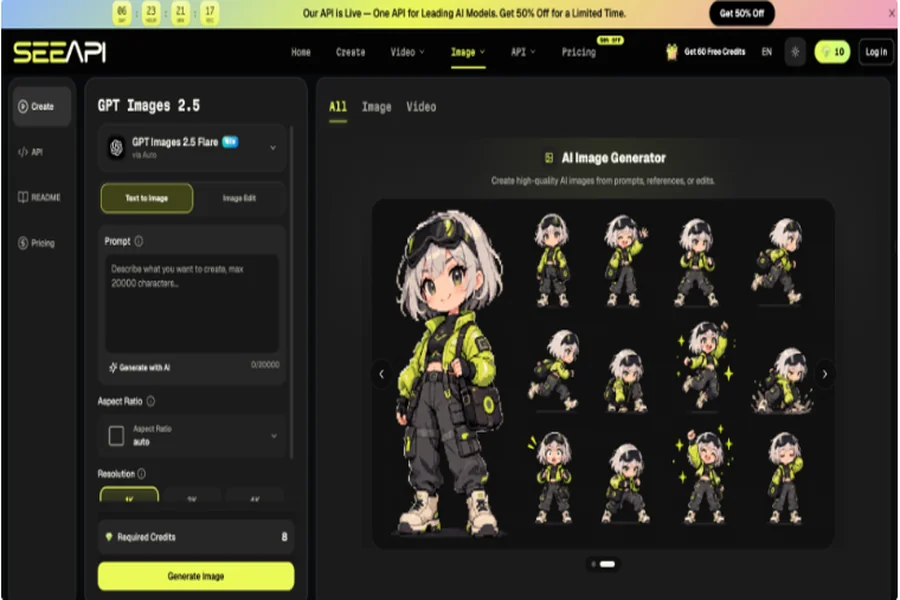
When generating initial illustrations, the ChatGPT Images 2.5 API provides a possible image-generation and editing workflow. Describe the everyday situation, character interaction, and composition. For example, request someone hesitating between two invitations at a kitchen table. After generating the image, check whether the scene communicates indecision without a caption. If it suggests confusion instead, revise the interaction while retaining useful details.
The same evaluation applies to manually created illustrations or existing photographs.
Test the illustration without displaying its idiom. Ask viewers what action, relationship, or emotion they recognise. If their interpretation differs from the intended meaning, identify which detail caused the confusion.
For “under the weather,” showing someone beneath dark clouds may encourage literal interpretation. A person resting at home because they feel unwell communicates the figurative meaning more directly.
Make one focused adjustment at a time to determine whether each revision improves understanding.

Check Whether Learners Understand the Intended Expression
An appealing illustration still needs a language-learning test. The question is whether learners can connect the scene to the intended meaning and use the expression appropriately.
Start by displaying the illustration without revealing its idiom. Ask learners to describe what is happening in ordinary English.
Next, introduce the expression and explain its figurative meaning. Ask which visual details support that interpretation.
Finally, request an original example sentence involving a different situation.
Consider “hit the nail on the head.” Someone who describes identifying the exact cause of a problem understands its figurative meaning. Someone who discusses construction equipment may still be interpreting it literally.
Use three indicators to evaluate understanding:
- Meaning accuracy: The learner explains the figurative meaning.
- Context accuracy: The learner identifies an appropriate situation.
- Transfer accuracy: The learner creates a suitable original sentence.
A successful response should demonstrate all three rather than repeat a memorised definition.
Pay attention to register. “Piece of cake” is conversational and may sound inappropriate in formal academic writing. An illustration can communicate ease without explaining where the phrase belongs.
If learners misunderstand the image, revise the scene. If they understand the picture but misuse the idiom, improve the example sentence instead.
This distinction prevents unnecessary visual changes when the actual difficulty concerns language usage.
Build Illustrations Around Meaning and Real Usage
Useful idiom illustrations combine accurate figurative meaning, believable situations, and supporting visual details. Start by defining the expression, then select a scene that makes its meaning recognisable. Review character behaviour, remove distracting elements, and test whether learners can interpret the situation without relying entirely on a caption. When confusion appears, determine whether it comes from the illustration, the accompanying example, or the expression itself.
A reusable approach is to maintain a record for each idiom containing its meaning, typical context, illustration description, and example sentence. Include notes about common misunderstandings and successful revisions. This creates consistent standards for evaluating future illustrations. More importantly, it encourages learners to associate English expressions with situations they can recognise and describe, rather than memorising unusual pictures without understanding when to use the language.