
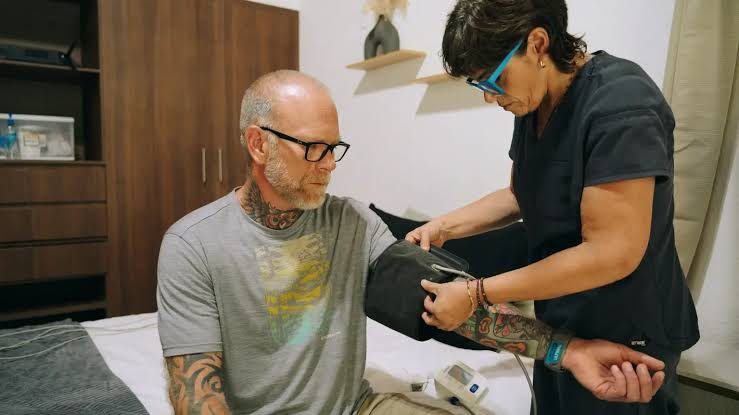

Ibogaine has moved from a fringe topic discussed mostly in addiction recovery forums to a subject covered by medical journals, documentaries, and mainstream news outlets. As interest grows, so does the number of clinics offering ibogaine-assisted treatment, mostly located outside the United States where the substance remains unscheduled or legal under medical supervision. Choosing where to go is not a decision to make lightly, since the quality of care varies enormously between facilities.
What separates a serious clinic from a risky one
Before looking at specific programs, it helps to understand what actually matters when evaluating an ibogaine center. The following criteria come up repeatedly among harm reduction organizations and clinicians who have studied ibogaine fatalities.
- Pre-treatment medical screening, including bloodwork, liver function tests, and a detailed health history
- Cardiac monitoring with a baseline ECG and continuous or repeated QT interval checks during dosing, since ibogaine is known to prolong the QT interval and can trigger dangerous arrhythmias
- Licensed medical staff on site, not just facilitators with spiritual training
- Emergency equipment and a plan for rapid transfer to a hospital if complications arise
- Structured post-treatment support, including counseling or integration sessions after the physical experience ends
- Operating in a jurisdiction where ibogaine use is legal or at least not actively prosecuted
Clinics that skip cardiac screening to save time or money are responsible for a disproportionate share of the deaths that have been documented in case reports. Anyone researching this treatment should treat ECG screening as non-negotiable rather than optional.
Clinics worth researching
Several facilities in Mexico and parts of Africa and Europe have built reputations for taking the medical side seriously. Transcend is one example of a clinic that structures its intake around cardiac testing and keeps medical staff involved throughout the dosing window, rather than treating the session as a purely spiritual retreat. Programs like this tend to combine the ibogaine session itself with preparation work beforehand and counseling afterward, which research suggests improves outcomes compared to a single isolated dose.
Another established clinic takes a similar approach but places more emphasis on inpatient recovery time, sometimes keeping patients under observation for several days after dosing. Still others focus specifically on opioid withdrawal protocols, since ibogaine's interrupted detox effect is most studied in that population. The variation between programs means that a treatment designed for stimulant dependence may look quite different from one built around opioid tapering.
Red flags to watch for
Facilities that advertise ibogaine as a guaranteed cure, that skip screening questions about heart conditions or current medications, or that cannot clearly explain their emergency protocol should be avoided. The same goes for programs run entirely by non-medical facilitators with no physician involvement. Ibogaine interacts with several common medications, including certain antidepressants and medications that already affect heart rhythm, so a thorough intake interview is a basic sign of a responsible operation.
Researching a center thoroughly, including asking directly how many ECGs are performed and what the cardiac monitoring protocol looks like, is the single most useful thing a prospective patient can do. Clinics willing to answer those questions in detail generally reflect a more cautious and medically grounded approach to a substance that still carries real risk even in controlled settings.
For a broader list of facilities and their relative approaches to screening and aftercare, Ibogaine Club's overview of treatment centers is a useful starting point for comparing programs side by side before making a decision.