
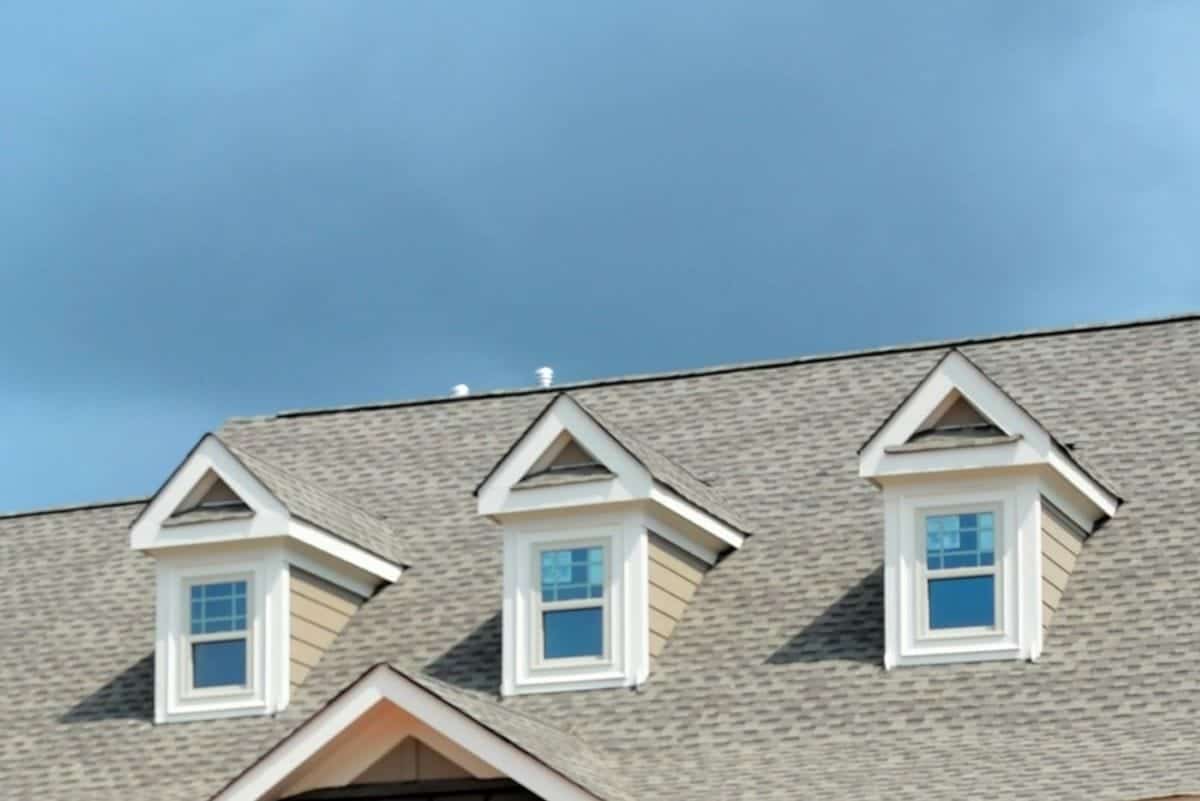

A homeowner may confidently tell a potential buyer that the roof was replaced about ten years ago. However, when the buyer requests installation records, nobody can find them. There are no contractor invoices, warranty documents, or photographs showing when the work happened. The roof looks reasonably maintained, but its actual age remains uncertain.
This situation is more common in properties that have changed ownership several times or undergone renovations without complete documentation. An unknown roof age does not necessarily indicate a problem, but it can complicate decisions about future repairs, insurance, and maintenance expenses. Buyers need reliable information before making commitments, while sellers must distinguish between what they know and what they believe. Understanding how to investigate missing roofing records can help both parties approach the transaction with greater confidence.
Why Do Some Homes Have No Reliable Record of Their Roof’s Age?
A roof can remain in place through several changes in property ownership. Each transition creates an opportunity for maintenance records to become misplaced or forgotten.
Previous owners may have hired contractors without keeping detailed invoices. Some roofing work may have been completed long before digital records became common, making the original documentation difficult to locate.
Repairs and Replacements Are Not Always Recorded Clearly
Homeowners sometimes describe substantial roof repairs as a replacement, even when only certain sections were changed.
For example, a previous owner might have replaced damaged shingles on one side of the house while leaving the remaining roofing untouched. Years later, the next owner may remember that roofing work occurred but misunderstand its extent.
Contractor receipts can also lack enough detail to establish whether the work involved repairs, partial replacement, or installation of an entirely new roofing system.
Without clear records, a statement about the roof’s age may reflect an assumption rather than a verified installation date.
Can Different Sections of the Same Roof Have Different Ages?
A house does not always have one roofing installation date. Extensions, additions, and previous repairs can create sections that were completed years apart.
A homeowner might add a bedroom or enclosed porch long after the original house was built. The new section receives its own roofing materials, while the older roof remains unchanged.
Partial Replacement Can Make Roof Age Difficult to Describe
Storm damage may affect one roof slope more severely than another. Depending on the damage and repair requirements, a contractor might replace materials on the affected section without replacing the entire roof.
As a result, one side of the house could contain relatively recent shingles while another retains considerably older materials.
This distinction matters because the condition and remaining service life of each section may differ.
Buyers should avoid assuming that a single replacement date applies to the entire roof unless supporting documentation confirms it.
What Can a Roof’s Physical Condition Reveal About Its History?
Even without installation records, a roof’s current condition can provide useful information about its maintenance needs.
An inspection may identify material deterioration, previous repairs, damaged flashing, or differences between roofing sections. These observations can help buyers understand whether the roof requires immediate attention.
However, appearance alone cannot reliably establish an exact installation date.
Material Wear Does Not Reveal an Exact Age
Shingles can deteriorate at different rates depending on installation quality, roof orientation, ventilation, environmental exposure, and maintenance history.
Two roofs installed during the same year may look noticeably different after several years.
Likewise, a relatively old roof may still appear well maintained, while newer materials may show premature wear because of installation problems or unusual exposure.
Buyers considering roofing inspection services can obtain a closer assessment of visible roof conditions, repair needs, and areas requiring further investigation.
A roofing professional may recognise characteristics associated with certain materials or installation practices, but these observations should not be presented as proof of a specific installation year.
Previous Repairs May Provide Useful Clues
Different shingle colours, newer flashing, or variations in fastening details can suggest that sections were repaired at different times.
These clues can help direct questions toward the seller or previous contractors.
Still, replacement materials may differ simply because identical products were unavailable. Visual differences should be investigated rather than treated as definitive evidence of a roof’s history.
Why Can Building Permits and Contractor Records Tell Different Stories?
Property records sometimes provide dates that appear to establish when roofing work occurred. However, those dates may describe different stages of a project.
A building permit might have been issued before construction began, while the actual installation occurred later.
In some cases, a permit may cover several renovation activities rather than a complete roof replacement.
A Permit Date Is Not Always an Installation Date
Permit records can help establish that certain work was authorised or recorded, depending on the jurisdiction.
However, the permit description may not identify every component replaced during the project.
A permit for an addition, for example, may involve roofing over the new space without indicating that the original roof was replaced.
Contractor invoices, completion documents, and dated photographs may provide additional context.
The strongest evidence generally comes from records that clearly identify the completed work and its location on the building.
How Can an Unverified Roof Age Affect a Homebuyer’s Decisions?
A roof’s age can influence expectations about future maintenance, but it should not be considered separately from its condition.
A buyer who knows the installation date may find it easier to review product information and understand when major repairs might become necessary.
When that information is unavailable, maintenance planning becomes less predictable.
Buyers May Need to Allow for Unexpected Repairs
An older roof does not automatically require immediate replacement. However, uncertainty about installation history can make long-term budgeting more difficult.
A buyer may need to consider the possibility of earlier repairs, particularly if the inspection identifies deterioration or past patching.
Rather than relying on a guessed replacement date, buyers can use documented roof conditions and professional recommendations to assess likely maintenance needs.
Insurance Questions May Require Separate Attention
Some insurers request information about roofing materials, age, and condition during underwriting.
Requirements vary by insurer, policy, and location. Missing installation documents do not automatically make a property uninsurable, but they may prompt additional questions or inspections.
Buyers should confirm relevant insurance requirements directly rather than assuming that a seller’s estimate will satisfy them.
What Should Sellers Disclose When They Do Not Know the Roof’s Age?
Sellers may feel pressure to provide a definite answer when buyers ask about roofing history. However, presenting an uncertain date as an established fact can create unnecessary complications.
If the installation year cannot be verified, the seller should explain that the date is unknown rather than inventing one.
Known Facts Should Be Separated From Estimates
A seller may remember that a previous owner mentioned replacing the roof, but that memory does not necessarily confirm when the work occurred.
It is more useful to identify the source of the information and whether supporting records exist.
Sellers can also share documented repairs, known leaks, inspection findings, and available contractor records.
Disclosure requirements differ across jurisdictions, so sellers should follow applicable legal obligations and seek appropriate professional advice when uncertain.
Being clear about missing information allows buyers to investigate the property without relying on misleading assumptions.
How Can Buyers Research a Property’s Maintenance History?
Missing records do not always mean the investigation has reached a dead end.
Previous listing photographs, renovation records, contractor correspondence, and local permit information may help establish a timeline of improvements.
However, each source has limitations that should be considered.
Older Property Listings Can Reveal Exterior Changes
Photographs from previous property listings may show different shingle colours, roof features, or construction changes.
For example, photographs taken several years apart might reveal that a roof section changed appearance during that period.
This can suggest when work occurred, but photographs rarely establish the exact scope or completion date.
A buyer reading a real estate blog may encounter advice about reviewing listing histories and property documents. Such resources can introduce useful research methods, but general articles cannot verify the history of a particular house.
Original records and direct assessments remain more reliable than assumptions drawn from online descriptions.
Previous Contractors May Have Useful Documentation
If a seller remembers the company that performed earlier work, contacting that contractor may help recover information.
Some businesses retain invoices, project descriptions, or warranty records for completed jobs.
Record availability depends on the contractor’s retention practices and how long ago the work occurred.
Even partial documentation may clarify whether the project involved a complete replacement or a limited repair.
Should an Unknown Roof Age Automatically Affect Purchase Negotiations?
Missing paperwork does not prove that a roof is defective. A roof with an uncertain installation date may still be in satisfactory condition.
Similarly, a recently installed roof can have problems if materials were installed incorrectly or important repairs were overlooked.
Buyers should consider the findings of inspections, the extent of documented deterioration, and the potential cost of necessary work.
If significant defects are identified, the parties may discuss repairs, pricing, or other arrangements permitted by their purchase agreement.
The outcome depends on the property’s condition, the contract, and the circumstances of the transaction.
Negotiations based on actual findings are generally more meaningful than those based solely on uncertainty about the installation year.
How Can New Homeowners Avoid the Same Documentation Problem?
Once a property changes hands, the new owner has an opportunity to create a clearer maintenance history.
Keeping dated invoices, inspection reports, warranty information, and photographs of completed work can make future roofing questions easier to answer.
Records should identify which roof sections were repaired or replaced whenever possible.
Digital copies can provide a useful backup if paper documents are misplaced.
Homeowners should also record significant repairs as they occur rather than relying on memory years later. A simple history of completed work can help future contractors identify previous changes and understand recurring problems.
Conclusion
An unknown roof age can introduce uncertainty during a property sale, but it should not automatically be treated as evidence of poor condition. Missing documentation and actual roofing defects are two different issues that require different forms of investigation.
Buyers benefit from examining available records, evaluating the roof’s present condition, and asking questions about previous work. Sellers can support the process by sharing confirmed information and clearly identifying details they cannot verify.
A dependable assessment relies on evidence rather than assumptions. Even when the original installation date remains unknown, careful research and a clear understanding of the roof’s condition can provide a practical basis for future maintenance and property decisions.