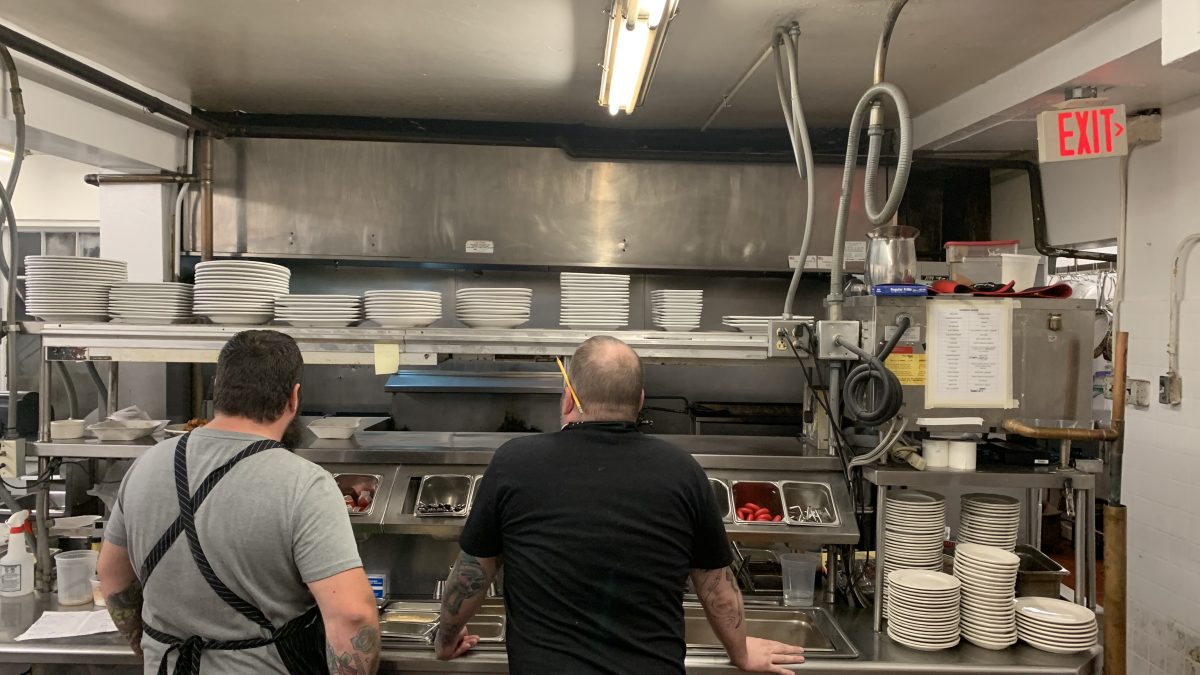
Most people who dream of opening a restaurant spend months on the fun parts. They test recipes, scout neighborhoods, sketch dining rooms and build spreadsheets for food cost and staffing. Then they sign a lease, pick up the keys and discover a second project nobody warned them about: getting legally allowed to open the doors.
The stretch between “lease signed” and “legally open” commonly runs 60 to 90 days, and the permits, inspections, plan reviews and fees inside it can add anywhere from $5,000 to $16,000 that never made it into the business plan. Every week of delay is another week of rent with no revenue. This guide is the checklist many founders wish they had on day one.
Why compliance belongs before the signature, not after
A lease feels like the starting line, but it is really a commitment to a building whose zoning, layout and history now decide what you can and cannot do. If the space was a retail shop, it may need a change-of-use approval before food can be served. If it has no grease interceptor, the plumbing work alone can take weeks. If the previous tenant left unpermitted renovations behind, an inspector may make you fix work you never did.
Doing your homework before you sign gives you leverage. You can negotiate a rent-free build-out period, ask the landlord to cover certain upgrades, or walk away from a space that would cost too much to bring up to code.
The pre-lease checklist
1. Confirm zoning and permitted use
Call or visit the local planning or zoning office and ask whether a restaurant is a permitted use at that address. Ask specifically about alcohol service, outdoor seating, late-night hours and parking requirements, because each of these can trigger a separate review. A “conditional use” answer means a hearing, public notice and more time.
2. Check the certificate of occupancy
Find out what the building’s current certificate of occupancy allows and what the maximum occupancy is. Turning an office or shop into an assembly space for diners often means new exits, fire separation, accessible restrooms and updated signage before a new certificate is issued.
3. Inspect the kitchen infrastructure
Have a contractor or kitchen designer look at ventilation, hood and fire suppression, gas supply, electrical capacity and the grease trap or interceptor. These are the line items that most often blow up a budget. A space that already passed a recent health inspection as a restaurant is worth a lot more than an empty shell.
4. Ask about the health department plan review
In most US cities and counties, the health department wants to approve your kitchen layout, equipment list and finishes before construction starts. Plan review fees typically run from a few hundred dollars to over a thousand, and review times range from one week to more than a month. Find out the current timeline before you commit to an opening date.
The permits and licenses most new owners need
Exact names differ by city and state, but nearly every new restaurant deals with some version of the following:
- Business license and registration with the city or county, plus state tax registration and an employer identification number.
- Building permits for any construction, plumbing, electrical or mechanical work, each with its own inspection.
- Food service establishment permit issued by the health department after a final pre-opening inspection.
- Food handler and food manager certifications for staff, with at least one certified manager on site in many jurisdictions.
- Fire department permit and inspection covering hood suppression, extinguishers, exits and occupancy load.
- Sign permit for exterior signage, which is often reviewed separately from the building permit.
- Liquor license if you plan to serve alcohol. This is frequently the slowest and most expensive item, ranging from a few hundred dollars to tens of thousands in quota-limited markets.
- Music licensing if you play recorded or live music for guests.
- Sidewalk or outdoor dining permit for patio seating on public property.
Where the $5,000 to $16,000 goes
The fees themselves are only part of the cost. A realistic compliance budget usually includes application and permit fees, plan review charges, architect or expediter fees for drawings, required equipment upgrades flagged during review, re-inspection fees when something fails, and certification courses for staff. The largest hidden cost is time: if the final health inspection slips by three weeks, that is three weeks of rent, utilities and possibly payroll with no sales.
How to keep the 60 to 90 days from becoming six months
The owners who open on schedule tend to do a few things differently.
- Build a permit timeline, not just a construction timeline. List every approval, which agency issues it, what it depends on, and how long it usually takes. Some steps cannot start until others are finished.
- Apply for the slow items first. Liquor licenses and conditional use approvals can take months, so file them as early as the rules allow.
- Book inspections early. Inspectors in busy cities may be booked one to three weeks out. Ask how far ahead you can schedule.
- Keep every document in one place. Approved plans, receipts, certificates and inspection reports will be requested again, often by someone who was not in the earlier meeting.
- Track renewals from day one. Many permits and certifications expire annually, and a lapsed health permit or food manager certificate can lead to fines or a forced closure.
Tracking all of this on a spreadsheet works for some owners, but requirements vary by city and change over time. That is why more operators now use restaurant compliance software to keep permits, licenses, inspection dates and renewal deadlines organized in one place, so nothing is missed between the lease signing and the grand opening, or in the years that follow.
Questions to ask the landlord before you sign
- Has this space operated as a restaurant before, and when was its last health inspection?
- Is there an existing hood, fire suppression system and grease interceptor, and are they up to current code?
- Will the landlord grant a rent-free or reduced-rent period while permits are pending?
- Can the lease include a contingency that lets you exit if key approvals, such as a liquor license or change of use, are denied?
- Who pays for code upgrades required by the city?
The bottom line
A great menu and a great location will not matter if the doors cannot legally open. Treat compliance as part of the business plan, not as paperwork to sort out later. Check zoning and occupancy before you sign, budget realistically for permits and inspections, file the slow applications first and keep a single, organized record of every approval and renewal. Founders who do this still face surprises, but far fewer of them, and they spend those first expensive months serving guests instead of waiting on a stamp.