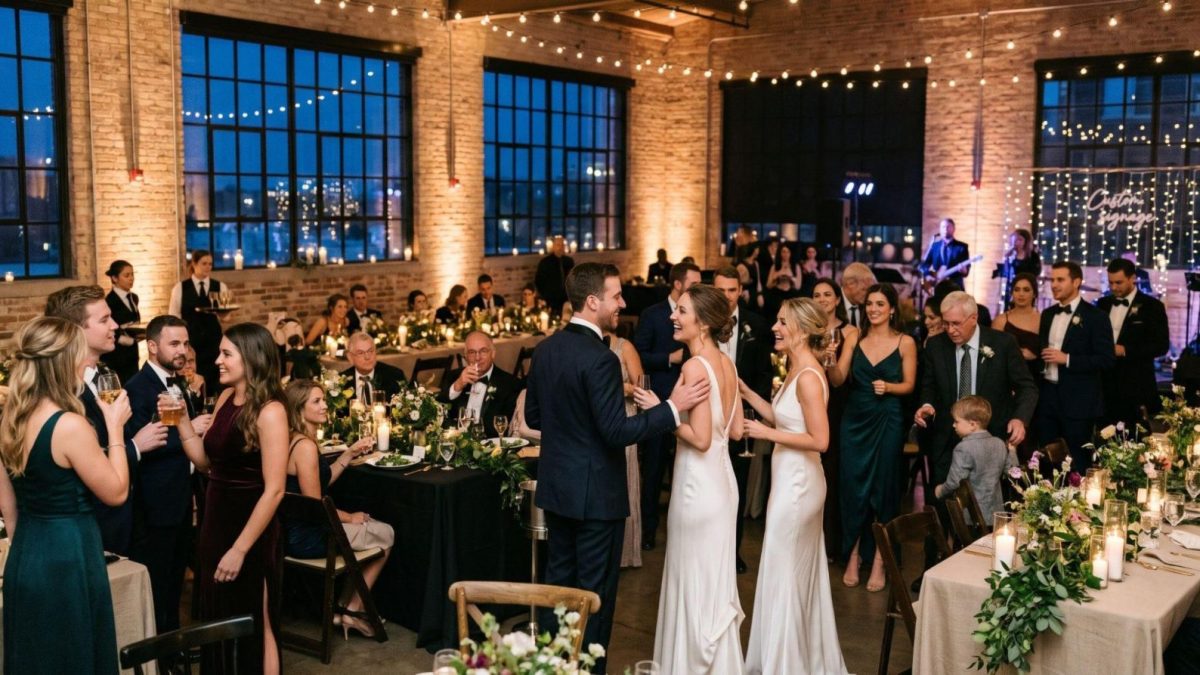
Ask a room full of married couples how old they were on their wedding day, and you’ll hear answers that span decades. Some said “I do” fresh out of college, while others waited until their careers, finances, and priorities felt settled.
Still, the numbers show clear patterns. Today’s couples are tying the knot later than any previous generation, and the most popular window for first marriage has shifted noticeably over the past few decades.
At What Age Do Most People Get Married Today?
Most Americans now marry for the first time in their late 20s or early 30s, which means the busiest wedding years tend to fall right in that window. If your group chat feels like one long string of engagement announcements, you’re likely in the thick of it.
That season comes with a packed calendar of showers, bachelorette weekends, and receptions. Many of these celebrations lean elegant, especially evening and winter events, so having a few go-to formal dresses for weddings in your closet makes every RSVP a lot less stressful.
The age trend itself is well documented. According to the U.S. Census Bureau, the median age at first marriage reached 30.8 for men and 28.4 for women in 2025, up from 23.5 and 21.1 in 1975.
Which Age Group Has the Most First Marriages?
Adults ages 25 to 29 make up the largest share of first marriages. Research has found that this age group accounted for about one-third of new first marriages for most of the period between 2008 and 2024.
The same research shows how quickly the mix is changing. The share of first marriages among adults ages 18 to 24 fell from 32% in 2008 to 21% in 2024, while the share among adults ages 30 to 34 climbed from 17% to 24%.
First marriages after 40 are becoming more common, too, rising from about 9% to 12% of the total over the same period. There’s no longer a single “right” age, and couples are building their timelines around their own lives.
Why Are People Waiting Longer To Get Married?
Several factors push the average age higher. More people finish college or graduate school before settling down, and many want to feel established in their careers before planning a wedding.
Money plays a role, too. Between rent, student loans, and the cost of the celebration itself, many couples prefer to save before committing to a big event. Living together first has also become common, which gives partners time to build a shared life before making it official.
Expectations have shifted as well. Previous generations often felt pressure to marry young, while today’s couples tend to see marriage as something to do when they’re ready, not when a calendar says they should.
That flexibility shows up in the data. Fewer people are marrying in their early 20s, while the share of first marriages in the late 30s and beyond keeps inching upward.
Does Marrying Later Change the Wedding Itself?
Couples who marry in their 30s often approach the day differently. With more financial independence, they may pay for more of the wedding themselves and make choices based on their own tastes rather than family expectations.
That can mean smaller guest lists with more personal touches, destination celebrations, or polished evening receptions at a city venue. Some couples also skip traditional registries in favor of honeymoon funds or experiences, since they already have a fully stocked kitchen.
For guests, the dress code can range from cocktail attire at a winery to full black tie at a downtown hotel. Reading the invitation closely and asking the couple when in doubt helps everyone show up dressed for the occasion.
Is There a Best Age To Get Married?
There’s no perfect age to get married, and the data reflects that. People are saying “I do” at every stage of life, from their early 20s to their 60s and beyond.
What tends to matter more is readiness: shared goals, healthy communication, and enough financial footing to build a life together. Those qualities can show up at 24 or at 44.
Couples who wait often say they appreciate knowing themselves better before making a lifelong commitment. Those who marry younger often value growing up together. Both paths can lead to strong, happy marriages.
Love on Your Own Timeline
The most popular ages to get married have steadily shifted later, with most first marriages now occurring in the late 20s and early 30s. At the same time, more people are marrying in their late 30s and 40s, on their own terms.
Whether you’re planning your own wedding or filling your calendar with friends’ celebrations, the best timeline is the one that fits your life. The trends are interesting, but the right moment is a personal decision.