
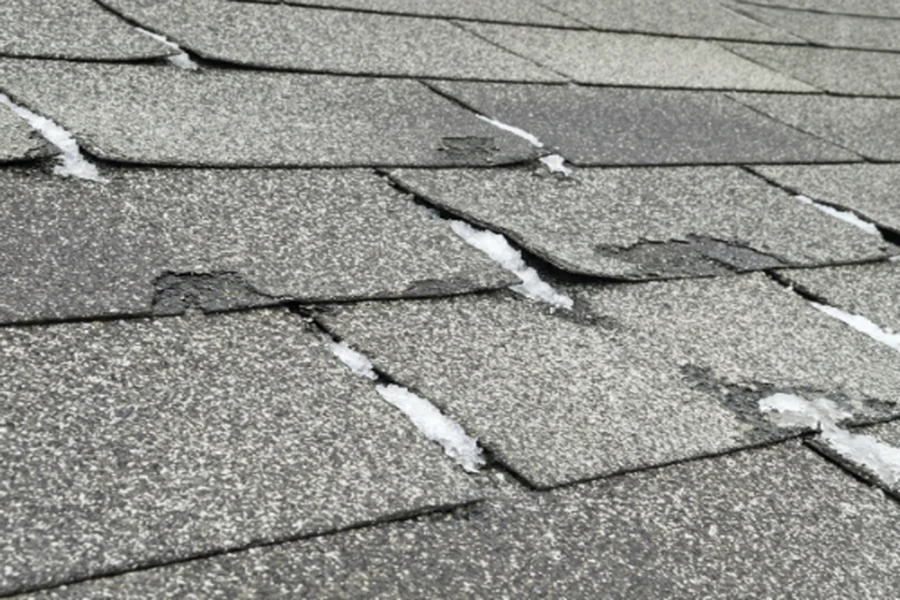

Learn essential steps to hire a reliable roofing professional, from verifying credentials to avoiding red flags, to protect your home.
Your roof is your home’s primary defense against the elements.
Choosing the right professionals to repair or replace it protects your biggest investment.
Finding a reliable roofing contractor requires careful research and a clear understanding of what makes a company trustworthy.
This guide will walk you through the essential qualities to look for and the exact steps to hire the best team for your project.
Key Qualities of a Trustworthy Roofing Company
Experience and Reputation
A long track record of successful projects in your local area is a strong indicator of a company’s reliability.
Established roofers understand regional weather challenges and building codes better than storm-chasing contractors.
NOTE: Always check a contractor’s Better Business Bureau (BBB) rating before making contact.
Licensing and Insurance
Never hire a roofing company that cannot provide proof of proper licensing and insurance.
Workers’ compensation and liability insurance protect you from financial responsibility if an accident occurs on your property.
Ask for physical copies of these documents during your initial consultation.
Transparent Pricing and Contracts
Honest companies provide detailed, written estimates that break down the costs of materials and labor.
Transparent pricing ensures you won’t face hidden fees once the project is underway.
Avoid contractors who demand large upfront cash payments before materials are even delivered.
Customer References and Reviews
Reading online reviews on platforms like Google or Yelp gives you insight into a company’s customer service and work quality.
A reputable business will gladly provide references from recent clients in your neighborhood.
NOTE: Look for reviews that specifically mention punctuality, cleanliness, and post-installation support.
The Process of Hiring a Roofing Contractor
Initial Research and Shortlisting
Start by asking friends, family, and neighbors for personal recommendations.
Compile a list of three to five local companies with strong online reputations.
Verify their contact information and physical office addresses to ensure they are legitimate local businesses.
Getting Multiple Bids and Estimates
Schedule consultations with your shortlisted candidates to receive comprehensive project estimates.
Compare these bids carefully, looking at the quality of materials offered rather than just the bottom-line price.
The cheapest option is rarely the best choice for long-term durability.
Contract Review and Understanding Warranties
Carefully read every line of the proposed contract before signing.
Ensure the document clearly outlines the project timeline, payment schedule, and specific materials being used.
Pay close attention to both the manufacturer’s material warranty and the contractor’s workmanship guarantee.
Red Flags to Watch Out For
High-pressure sales tactics are a major warning sign when speaking with potential roofers.
Contractors who show up uninvited after a severe storm often deliver subpar work and disappear quickly.
Be cautious of any company that offers significantly lower bids than their competitors, as this usually indicates corners will be cut.
Why Choose Saratoga Roofing
Finding a team that checks all these boxes can feel overwhelming, but local options make the process easier.
For homeowners in upstate New York, Saratoga roofing stands out as a premier choice.
They are an Atlas Pro Diamond Select Roofing Contractor and HAAG-certified, meaning they meet the highest industry standards.
With a leak-proof guarantee and 100% financing options, they provide peace of mind from the initial inspection to the final cleanup.
Making a Confident Decision for Your Home
Your roof is too important to trust to just anyone.
By verifying credentials, comparing detailed bids, and watching out for common red flags, you can confidently select the right professionals.
Take your time during the vetting process so you can enjoy a safe, secure, and beautiful roof for decades to come.
Frequently Asked Questions
How many estimates should I get before hiring a roofer?
You should aim to collect at least three written estimates from different local contractors.
This allows you to compare pricing, material options, and the overall professionalism of each company.
What is the difference between a material warranty and a workmanship warranty?
A material warranty is provided by the manufacturer and covers defects in the shingles or roofing products.
A workmanship warranty is provided by the contractor and covers errors made during the installation process.
Do I need to be home during the roof replacement?
You do not necessarily need to be home for the entire process, but it is highly recommended to be available.
Being accessible allows the project manager to quickly communicate any unexpected issues, like hidden water damage, that arise during tear-off.
How long does a typical roof replacement take?
Most standard residential roof replacements are completed in one to two days.
Larger homes, complex roof pitches, or severe weather conditions can extend this timeline slightly.
Does my homeowner’s insurance cover a new roof?
Insurance typically covers roof replacements if the damage was caused by a sudden, unexpected event like a severe storm or fallen tree.
General wear and tear or age-related deterioration is generally not covered by standard policies.