
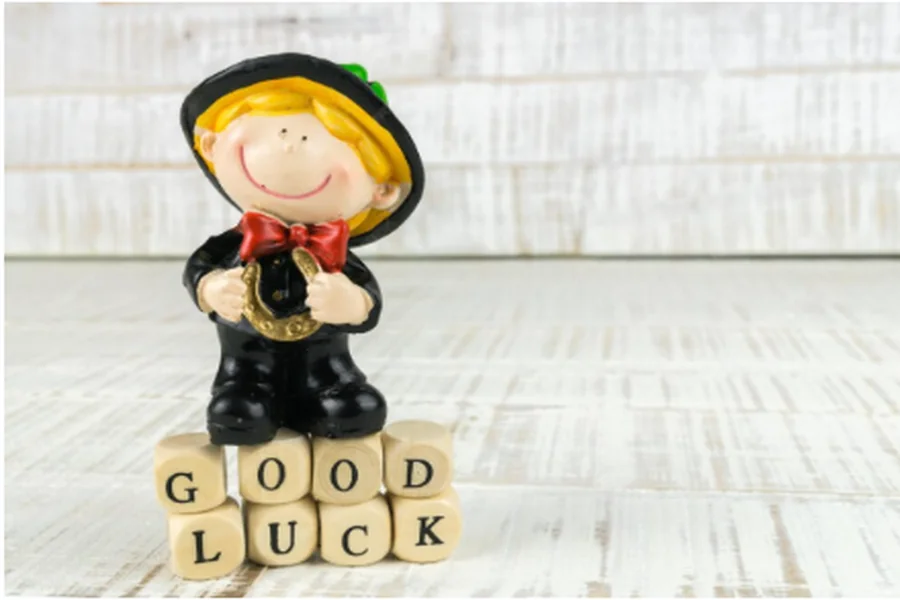

Luck slips into language the way it slips into life: quietly, suddenly. English overflows with bright sayings about chance and fortune. These idioms carry joy, disappointment, and surprise. They mirror how people win, lose, and hope again. Learning them makes speech alive, natural, and full of life’s unpredictable rhythm and emotion.
The Language of Chance
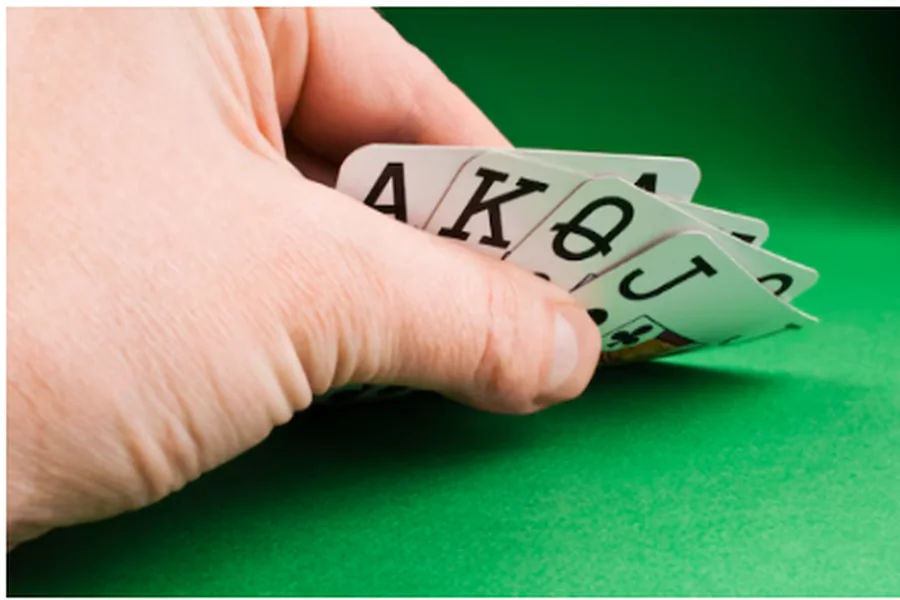
Idioms about luck and fortune reveal how chance threads through human life. People use them to voice hope, doubt, or frustration. “With any luck,” “cross your fingers,” “touch wood” — each whispers that fate dances beyond control. These sayings mix faith and superstition, words chasing comfort. “Luck of the draw” shrugs at randomness, like cards or dice deciding outcomes. Yet “make your own luck” argues differently, it insists that effort bends destiny, that persistence shapes chance itself. Between hope and control, humans speak through these phrases, trying to name the mystery of fortune, to tame what cannot be tamed, yet never stop trying.
When Fortune Smiles Unexpectedly
Luck often sneaks up when we least expect it. Phrases like “beginner’s luck” and “hit the jackpot” capture those thrilling moments when fortune suddenly turns in your favor. They reflect real life — unexpected wins, lucky breaks, small risks that pay off big. A clear example of such a case is the use of List of No deposit bonuses 2025, which gives players the opportunity to try their luck and win without spending a penny. Both phrases link to moments of sudden gain. “Beginner’s luck” refers to the surprising success of someone new to an activity, think of a first-time golfer hitting a perfect shot. “Hit the jackpot” originally referred to slot machines but now describes any big win, whether it’s landing a dream job or meeting the right person at the right time.
Common Idioms for Good and Bad Luck
English idioms about chance and luck show both faces of fortune: the bright and the bleak. Below are familiar phrases that reveal how people speak of fate.
- “Break a leg.” A theatrical way to wish someone good luck. Strangely, it’s used to avoid tempting fate by saying the opposite of what’s desired.
- “A stroke of luck.” A sudden and positive event that happens by chance.
- “Born under a lucky star.” Describes someone who always seems to have good fortune.
- “Bad luck comes in threes.” Reflects the superstition that misfortune arrives in clusters.
These luck idioms and their meanings show how language tries to grasp chaos. People use them in talk, writing, and stories to name moments ruled by fate, not effort, when randomness decides, and reason just watches.
Origins Rooted in Culture and History
Many English idioms about chance and luck carry stories from long ago. “Beginner’s luck” surfaced in the early 1900s, when games and gambling thrilled the crowd. “Hit the jackpot” grew from poker tables in the 1800s, where winning big meant striking gold — literally or not. Older still is “Fortune favors the brave,” a Roman echo urging courage before luck. And “Knock on wood”? That one whispers from ancient Europe, where touching trees kept evil away. Each phrase holds a trace of old belief, superstition turned speech. Over centuries, these words shaped how people talk about risk, fate, and small miracles.
How to Use Luck Idioms Naturally
Using idioms about luck and fortune can make speech sound fluent and expressive. The key is to use them in fitting contexts:
- Use “with any luck” before a hopeful statement:
“With any luck, we’ll finish before sunset.”
- Use “just my luck” after something unlucky happens:
“I missed the bus — just my luck!”
- Use “a stroke of luck” to describe a positive surprise:
“Finding that old photo was a stroke of luck.”
In conversation, idioms can add humor, irony, or warmth. They also connect people through shared cultural references. Whether talking about winning, failing, or hoping, these phrases turn random moments into stories.
Fortune’s Role in Real Life
Idioms about luck do more than color speech, they echo life itself. Everyone meets that strange mix of effort and chance, where one move changes everything. You “roll the dice,” “take a chance,” maybe “luck out.” Fate flips fast. One day unfair, the next miraculous. Yet these sayings reveal something steady: fortune may choose few, but words let everyone share its wild dance.
Fortune doesn’t only appear in games or chance encounters—it influences real decisions and relationships too. Studies show that emotions around money and luck can even shape trust within families. Interestingly, many reports highlight cases of men hiding finances from their partners, revealing how secrecy and the fear of losing control over fortune affect personal dynamics. It’s another reminder that luck, whether in wealth or relationships, often depends on honesty as much as chance.
Conclusion
Luck shapes every life, and language traps its shimmer. From “beginner’s luck” to “the luck of the draw,” these sayings frame the moments fate interrupts our plans. They remind us that not every win comes from effort, nor every loss from fault. So when fortune tilts your way or slips past — pause. Name it. In doing so, you honor life’s unpredictable rhythm.